Chinese Medicine Weight Loss: 3 Herbal Teas by Body Type
Chinese medicine approaches weight loss by restoring your body's natural fluid metabolism rather than restricting calories. Three common body types may respond to different herbal tea formulas, each targeting a distinct root cause of weight gain.
Quick Answer
In Chinese medicine, stubborn weight gain is most often linked to Phlegm Damp, a pattern where the Spleen cannot clear fluids efficiently and dampness collects as soft, puffy tissue rather than lean mass. Around half of people whose weight resists calorie restriction fit this body type, which tends to feel heavy and oily and worsens in humid weather. Two other patterns can also be associated with weight struggles: Spleen Qi Deficient, where weak digestion stores what it cannot process, and Qi Stagnant, where stress-driven eating blocks metabolic flow. Each pattern may respond to a different food-grade herbal tea. Matching the formula to your body type, instead of forcing one approach on everyone, is the core idea behind this guide.

Quick Comparison: Which Formula for Which Type?
Not sure which formula to try? Start here.
| Formula | Best For | Key Herbs | Prep Time | Taste |
|---|---|---|---|---|
| Lotus Leaf | Phlegm Damp | Dried Lotus Leaf, Hawthorn Berry, Aged Tangerine Peel | 20 minutes | Slightly tart and refreshing, with a clean, light finish |
| Coix Seed | Spleen Qi Deficient | Coix Seed, Poria Mushroom, Chinese Yam, Red Dates | 50 minutes (includes soaking) | Mild, slightly sweet, and comforting |
| Rose | Qi Stagnant | Dried Rose Buds, Cassia Seed, Aged Tangerine Peel | 10 minutes | Floral and aromatic from the rose, with a slightly nutty undertone from cassia seeds and a hint of citrus from tangerine peel |
Curious which body type you are? Take the free 5-minute quiz.
Take the Free Quiz →Why Chinese Medicine Sees Weight Differently
Western medicine and Chinese medicine are not opposites. They look at the same body from different angles. Understanding both perspectives helps you make better choices for your body.
| Topic | Western Medicine | Chinese Medicine |
|---|---|---|
| Root cause of weight gain | Calorie intake exceeds energy expenditure | Spleen cannot transform fluids, leading to dampness accumulating as fat and phlegm |
| View of body fat | Stored excess energy from unused calories | Accumulated dampness and phlegm that the body failed to clear |
| Primary solution | Reduce intake and increase exercise | Restore Spleen function to transform and transport fluids efficiently |
| Role of digestion | Breaks down food into absorbable nutrients | Spleen transforms food into Qi and Blood, Kidney provides metabolic fire |
| Why water retention happens | Sodium imbalance or kidney function issues | Kidney and Spleen Yang deficiency fails to vaporize and distribute fluids |
| Emotional eating | Psychological response to stress | Liver Qi stagnation disrupts digestive flow, creating craving cycles |
Three Body Types That Commonly Struggle With Weight
In Chinese medicine, there is no universal weight loss formula. The right approach depends on your body type. Here are the three most common patterns:
TCM Perspective
The Spleen is too weak to transform fluids. Instead of being processed and eliminated, fluids accumulate and congeal into phlegm and dampness. Over time, this manifests as weight gain, oiliness, and a feeling of heaviness.
Plain English
Your lymphatic drainage and fluid metabolism run slowly. Water accumulates in tissues, creating a puffy, heavy sensation rather than lean definition.
Common Signs
A Simple Analogy
Imagine a kitchen with a clogged drain. No matter how little water you pour, it still backs up. The solution is not pouring less water, but fixing the drain.
TCM Perspective
The Spleen lacks the energy to transform food into usable Qi. Food enters but is not efficiently processed, leading to accumulation rather than nourishment. You feel tired because your body cannot extract energy from what you eat.
Plain English
Your digestive system is underpowered. You absorb nutrients inefficiently, so you feel hungry and tired despite eating. Your body stores what it cannot process.
Common Signs
A Simple Analogy
Think of a car engine running on low voltage. The fuel is there, but it cannot burn efficiently. More fuel does not help. You need to fix the electrical system first.
TCM Perspective
When emotions and stress cause Liver Qi to stagnate, the free flow of energy throughout the body is blocked. Digestion slows, frustration builds, and eating becomes a way to release pent-up tension.
Plain English
Chronic stress disrupts the gut-brain connection. Cortisol spikes drive cravings, and tension in the digestive tract causes bloating and irregular eating patterns.
Common Signs
A Simple Analogy
Picture a traffic jam on a highway. The road is fine, the cars are fine, but a single bottleneck stops everything from moving. Relieve the bottleneck and flow returns.
Lotus Leaf & Hawthorn Metabolism Tea
荷叶山槒茶|He Ye Shan Zha Cha
Classical Source: Adapted from Bao He Wan (Preserve Harmony Pill) in Zhu Danxi's Dan Xi Xin Fa (1481)
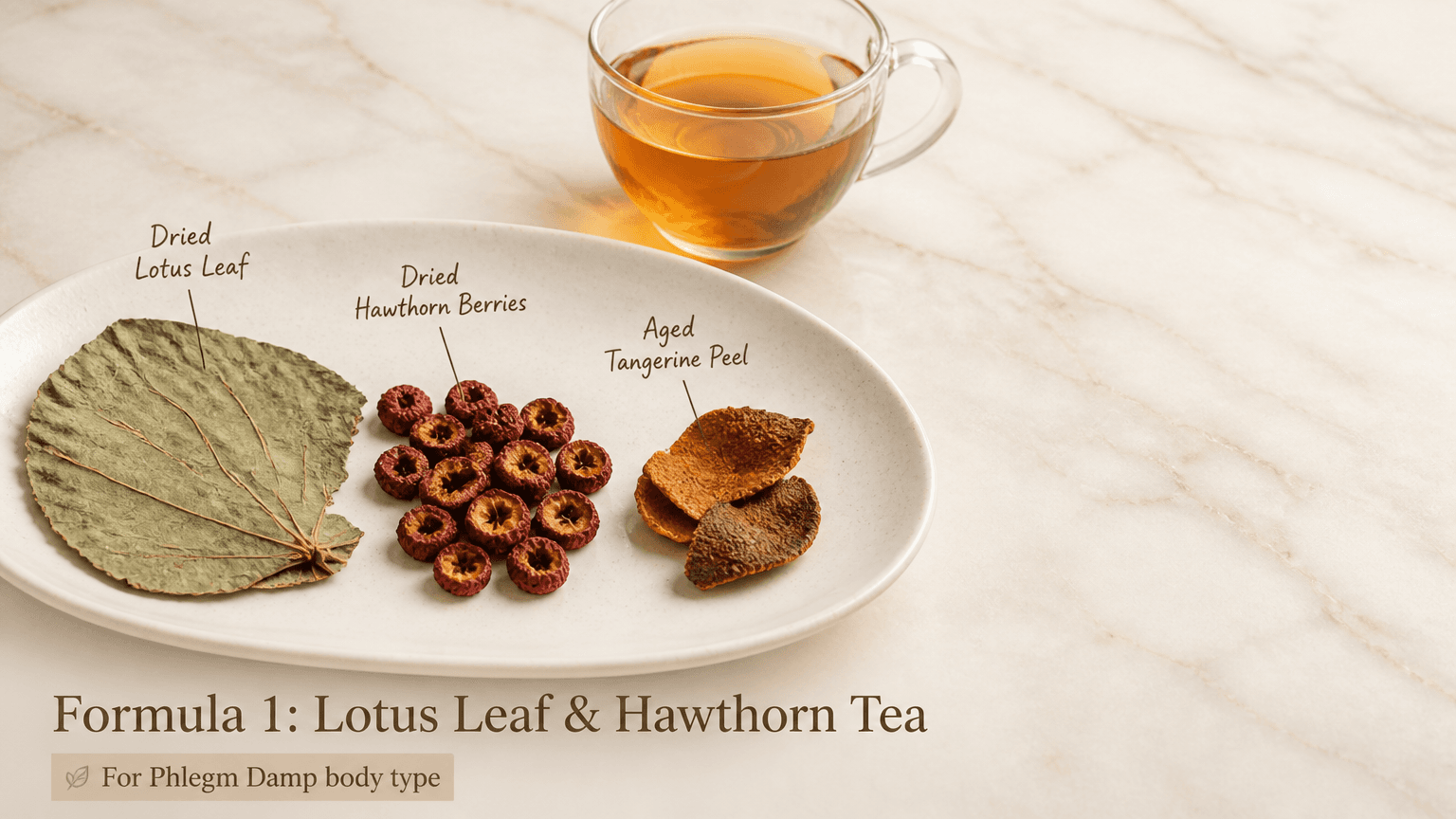
This tea targets the root pattern of Phlegm Damp weight gain. Lotus leaf drains dampness and raises clear Yang, while hawthorn helps the body break down and process heavy, fatty foods. Tangerine peel keeps Qi moving so fluids do not re-accumulate.
Ingredients
| Ingredient | Amount | Role | Why This Herb |
|---|---|---|---|
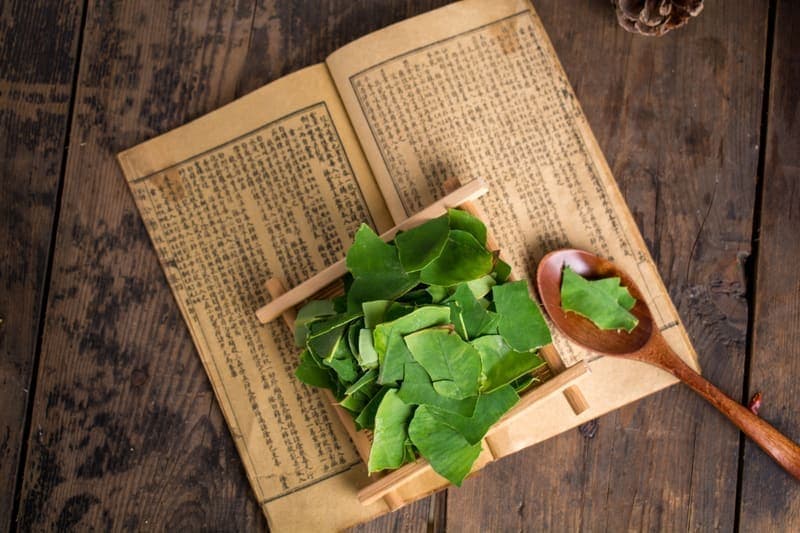 Dried Lotus Leaf(荷叶)→ Dried Lotus Leaf(荷叶)→ | 5g (about 1 large piece) | Primary | Drains dampness and helps the body vaporize retained fluids rather than storing them. |
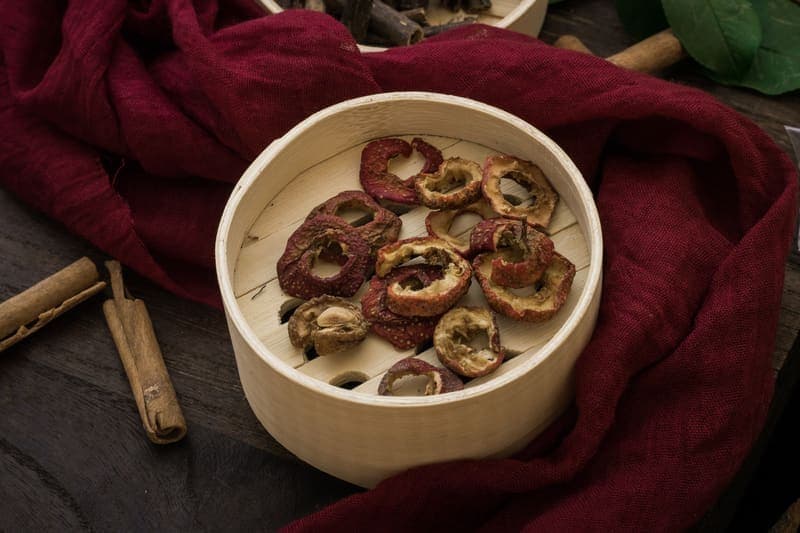 Hawthorn Berry(山槒)→ Hawthorn Berry(山槒)→ | 10g (about 8-10 dried berries) | Support | Helps digest fats and heavy foods. In TCM, hawthorn is the go-to herb for food stagnation, especially from meat. |
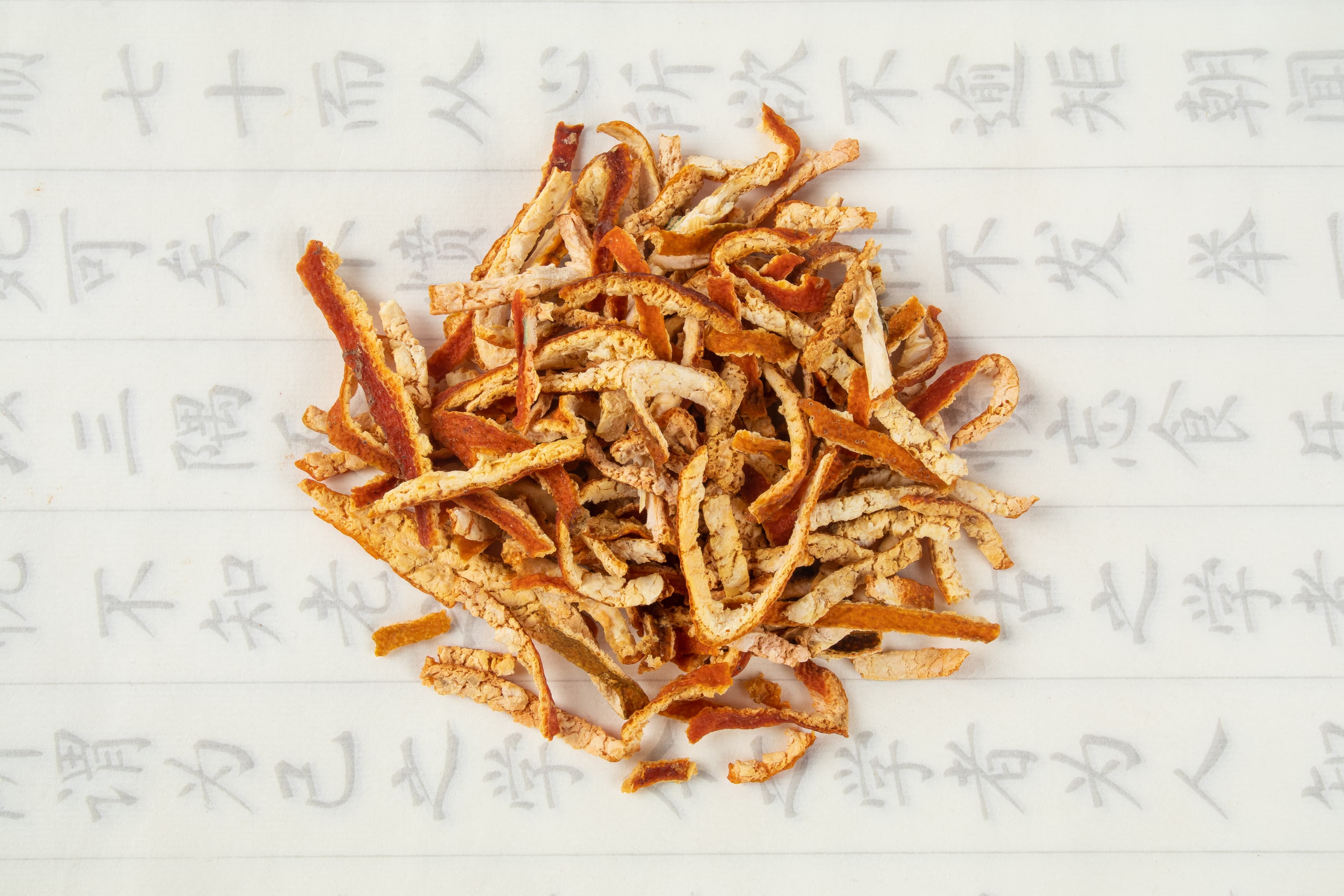 Aged Tangerine Peel(陈皮)→ Aged Tangerine Peel(陈皮)→ | 3g (about 1 small piece) | Harmony | Moves Qi and transforms phlegm so fluids flow rather than congeal. |
How to Make It
- 1Rinse all ingredients briefly under cool running water.
- 2Place them in a small pot with 500ml (2 cups) of fresh water.
- 3Bring to a boil over medium heat (about 5 minutes).
- 4Reduce to low heat, cover, and simmer for 10 minutes.
- 5Turn off heat and let sit for 2 minutes.
- 6Strain into a cup. The tea should be a light amber color.
How to Take
Drink one cup (250ml) warm, about 30 minutes after lunch and dinner. The warmth helps the herbs work with your digestive cycle.
How Long
Drink daily for 4 consecutive weeks, then pause for 1 full week before resuming. Most people notice lighter digestion and less bloating within 2-3 weeks. Changes in body composition typically require 6-8 weeks of consistent use combined with mindful eating habits.
Taste
Slightly tart and refreshing, with a clean, light finish. The hawthorn adds a fruity sourness while lotus leaf contributes a mild green taste.
Yield
500ml (2 cups) | Prep time: 20 minutes
Who Should Avoid This
- !Not suitable during pregnancy. Hawthorn may stimulate uterine contractions.
- !Avoid if you have stomach ulcers or acid reflux. Hawthorn increases stomach acid.
- !Consult your doctor if you take blood-thinning medications. Hawthorn may enhance their effect.
- !Discontinue during acute colds, flu, or fever.
- !This formula is cooling. If you already feel cold most of the time, use it every other day rather than daily.
Coix Seed & Poria Spleen Support Soup
薏苡仁茯苕湤|Yi Yi Ren Fu Ling Tang
Classical Source: Adapted from Shen Ling Bai Zhu San in Tai Ping Hui Min He Ji Ju Fang (1085)
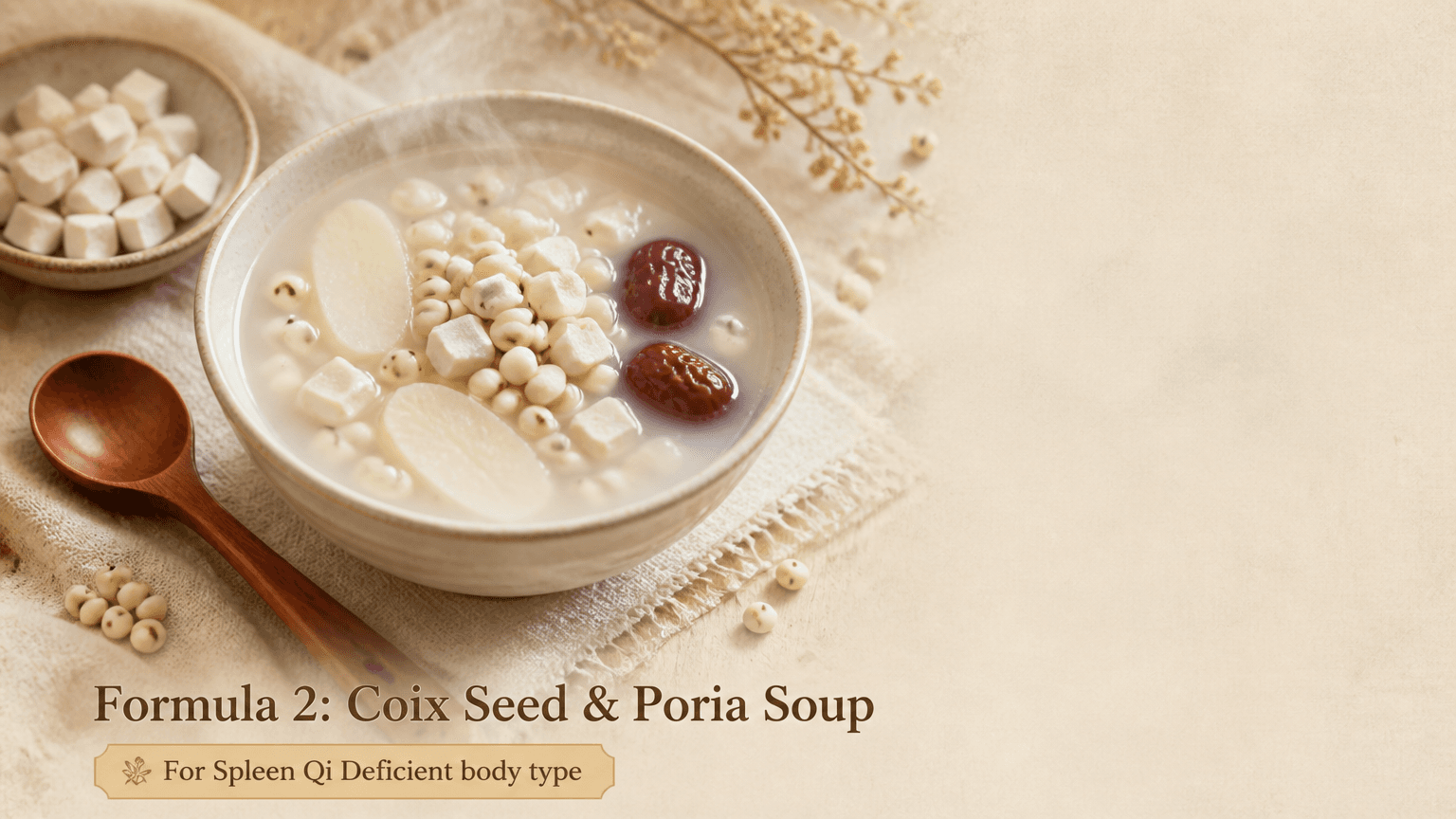
This gentle soup rebuilds the Spleen's ability to transform food and drain fluids. Coix seed and poria work together to remove dampness without depleting energy, while Chinese yam and red dates nourish the Qi that your digestive system needs to function.
Ingredients
| Ingredient | Amount | Role | Why This Herb |
|---|---|---|---|
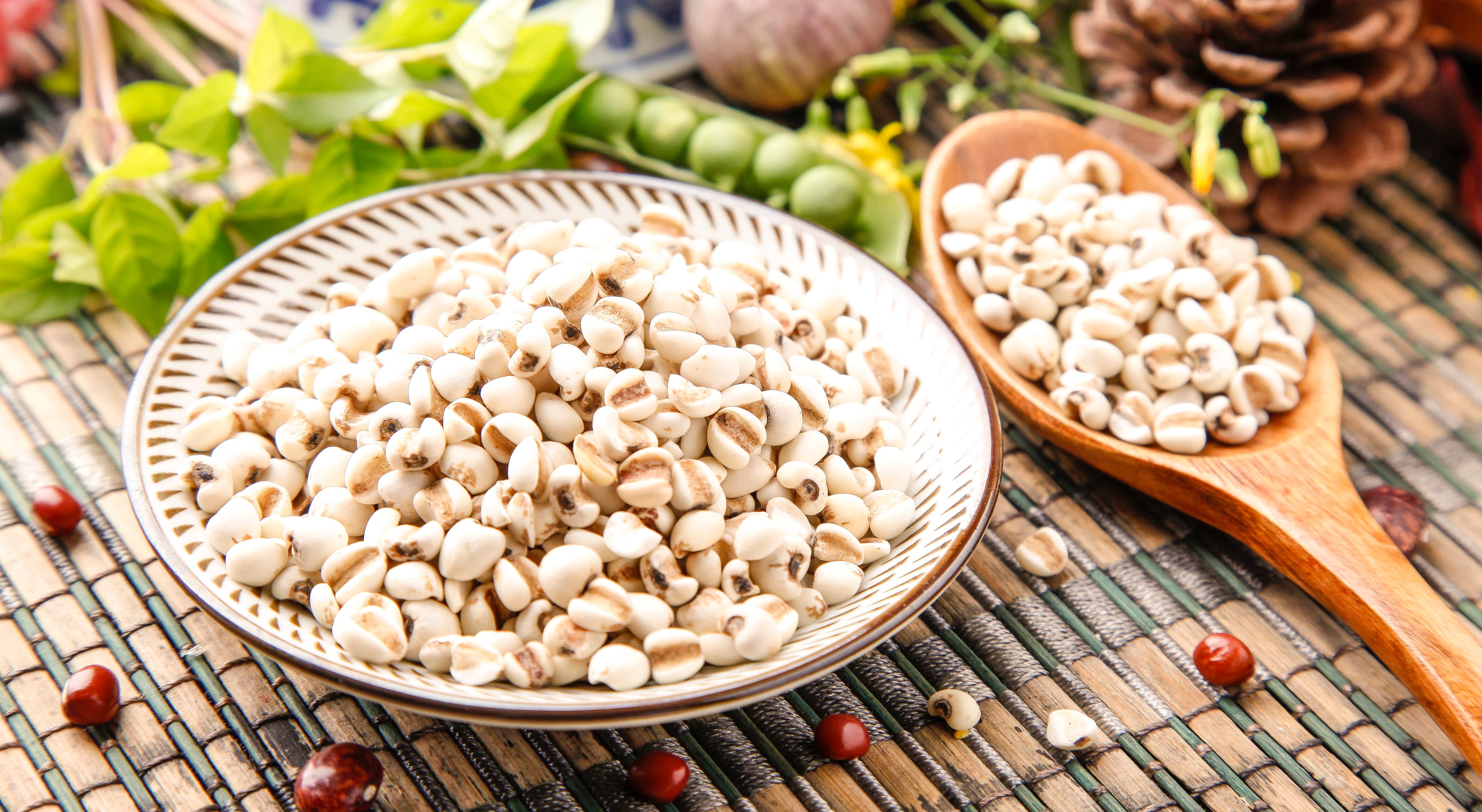 Coix Seed (Job's Tears)(薏苡仁)→ Coix Seed (Job's Tears)(薏苡仁)→ | 30g (about 3 tablespoons) | Primary | Strengthens the Spleen and drains dampness. A staple grain in Chinese cooking, available at Asian grocery stores. |
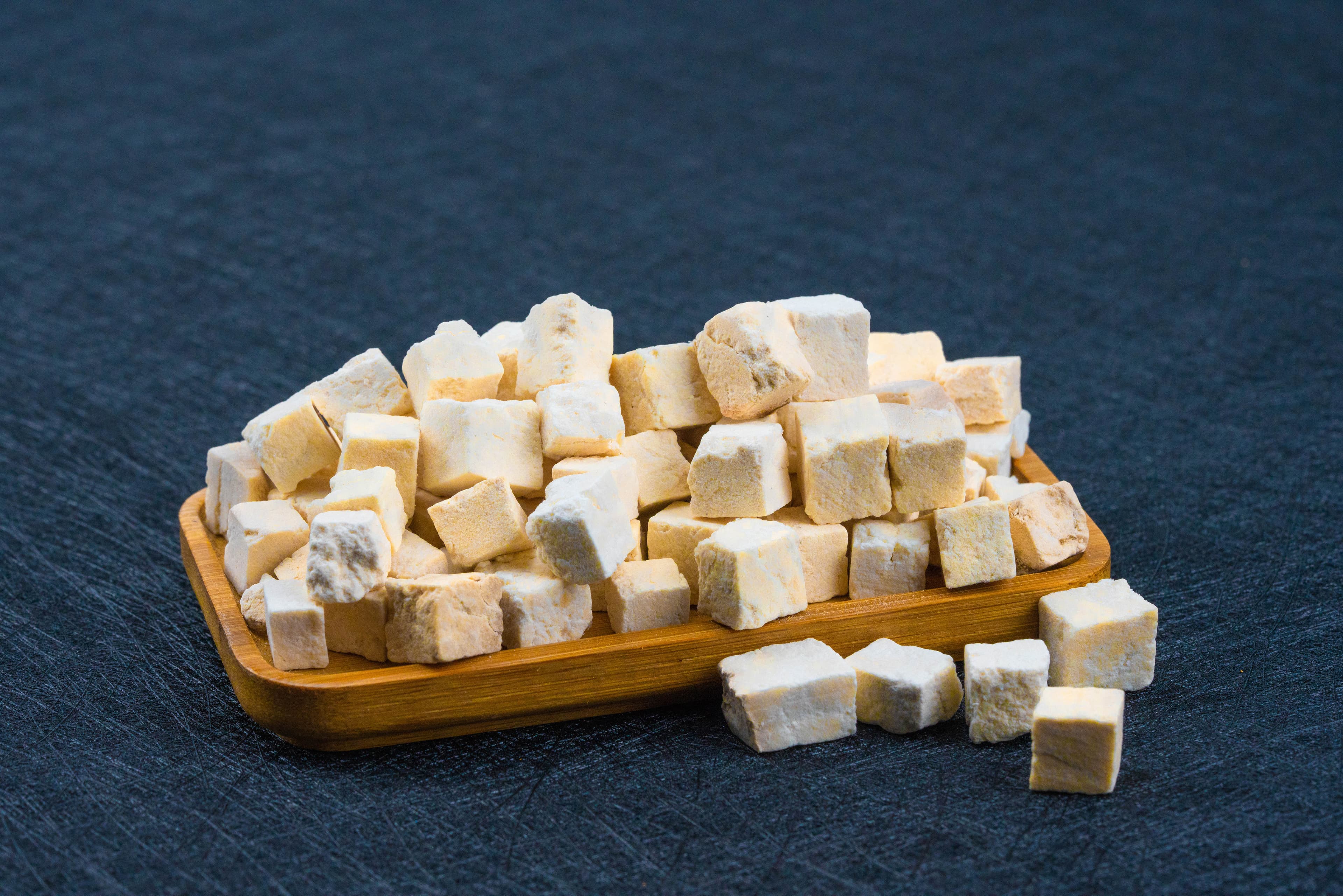 Poria Mushroom(茯苕)→ Poria Mushroom(茯苕)→ | 15g (about 4-5 small pieces) | Support | Drains dampness through urination while calming the mind. Often sold dried in slices. |
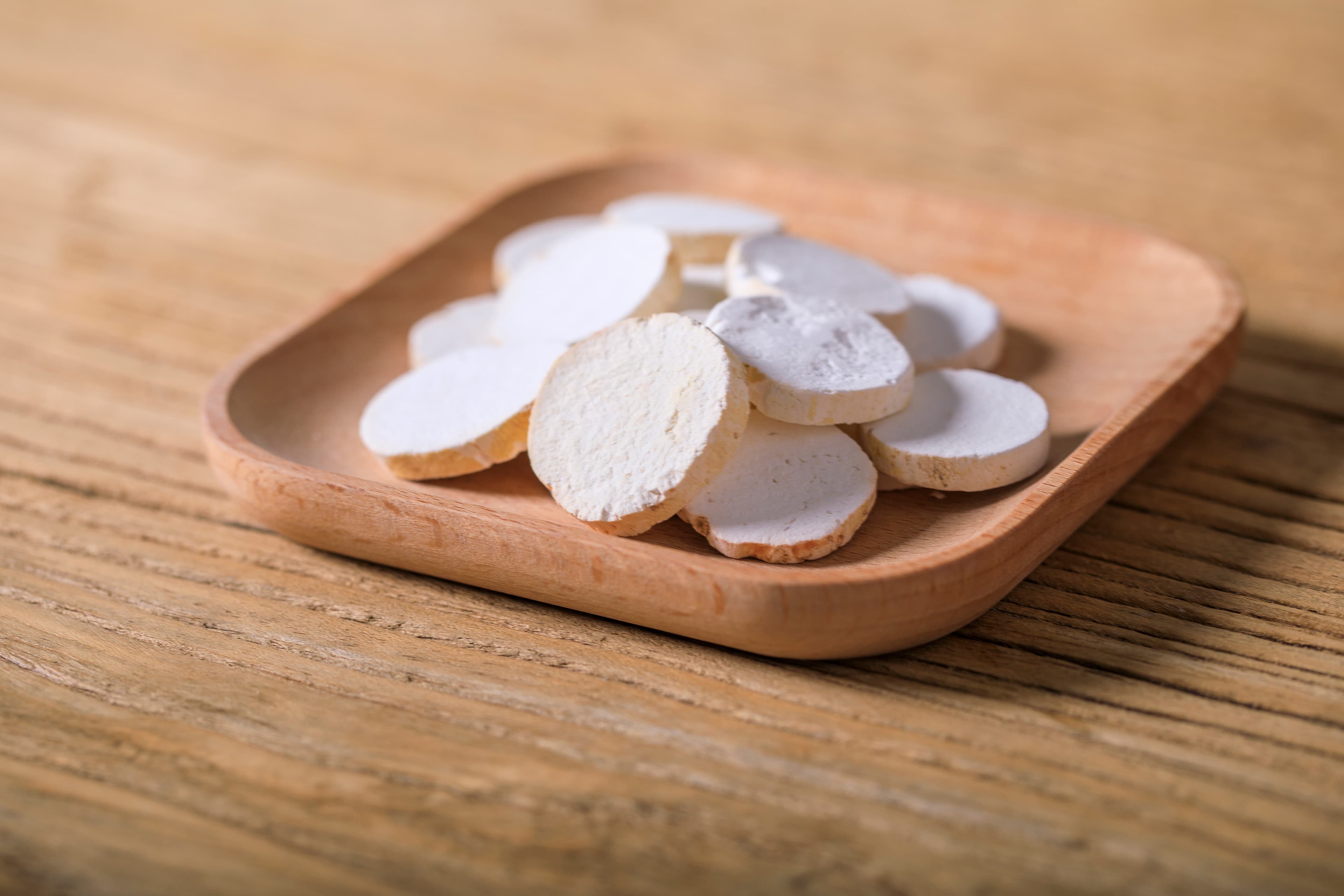 Chinese Yam(山药)→ Chinese Yam(山药)→ | 20g (a 5cm piece, fresh or dried) | Support | Strengthens the Spleen and gently nourishes Qi and Yin. Available fresh at Asian markets or dried online. |
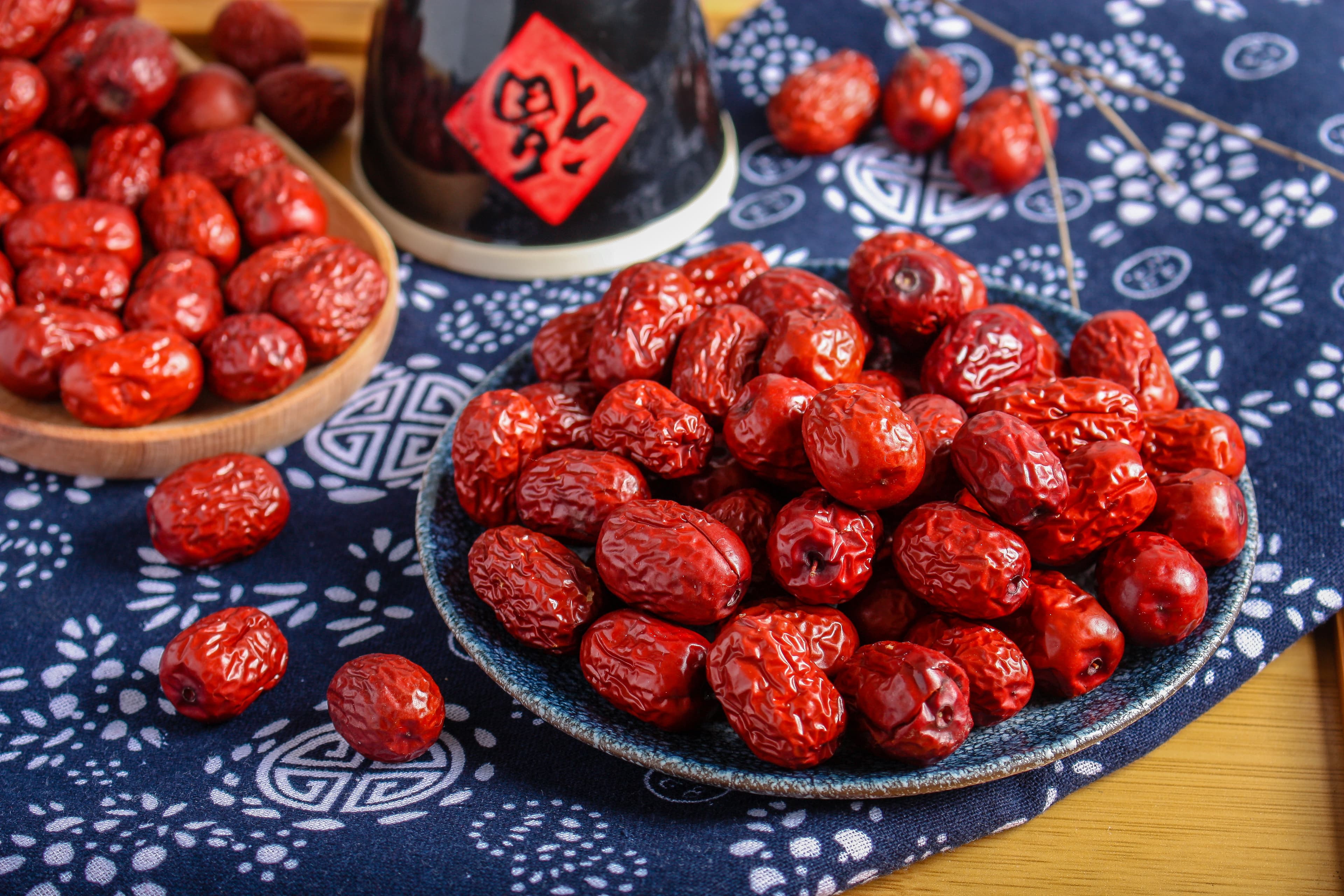 Red Dates (Jujube)(大枣)→ Red Dates (Jujube)(大枣)→ | 3 pieces, pitted | Harmony | Nourishes blood and harmonizes the formula. Adds natural sweetness. |
How to Make It
- 1Soak coix seeds in water for 2 hours (or overnight for best results). This softens them and improves digestibility.
- 2If using dried poria, rinse it clean. If using fresh Chinese yam, peel and cut into bite-sized pieces.
- 3Place all ingredients in a pot with 800ml (3.5 cups) of water.
- 4Bring to a boil over medium-high heat (about 8 minutes).
- 5Reduce to low heat, cover, and simmer for 40 minutes until coix seeds are soft and opened.
- 6Remove red date pits if not done earlier. Serve warm as a light soup or congee.
How to Take
Eat one serving (about 400ml) warm, once daily. Best in the morning as a nourishing breakfast or as a light dinner replacement.
How Long
Consume 4-5 times per week for up to 3 months. This is a gentle, nourishing formula that works slowly. Expect improved digestion and steadier energy within the first 2 weeks. Weight changes are gradual and typically become noticeable after 4-6 weeks.
Taste
Mild, slightly sweet, and comforting. The red dates provide natural sweetness while coix seeds have a pleasant, chewy texture.
Yield
2 servings | Prep time: 50 minutes (includes soaking)
Who Should Avoid This
- !Generally very safe for long-term use by most people.
- !If you experience increased urination, reduce to 3 times per week.
- !Not recommended during the first trimester of pregnancy due to traditional cautions about coix seed.
- !Best avoided during acute colds with chills and clear mucus.
- !If using fresh Chinese yam, wear gloves while peeling. Raw yam sap can cause skin irritation in some people.
Rose & Cassia Seed Stress-Relief Tea
玫瑰花决明子茶|Mei Gui Hua Jue Ming Zi Cha
Classical Source: Adapted from Xiao Yao San (Free and Easy Wanderer Powder) in Tai Ping Hui Min He Ji Ju Fang (1085)
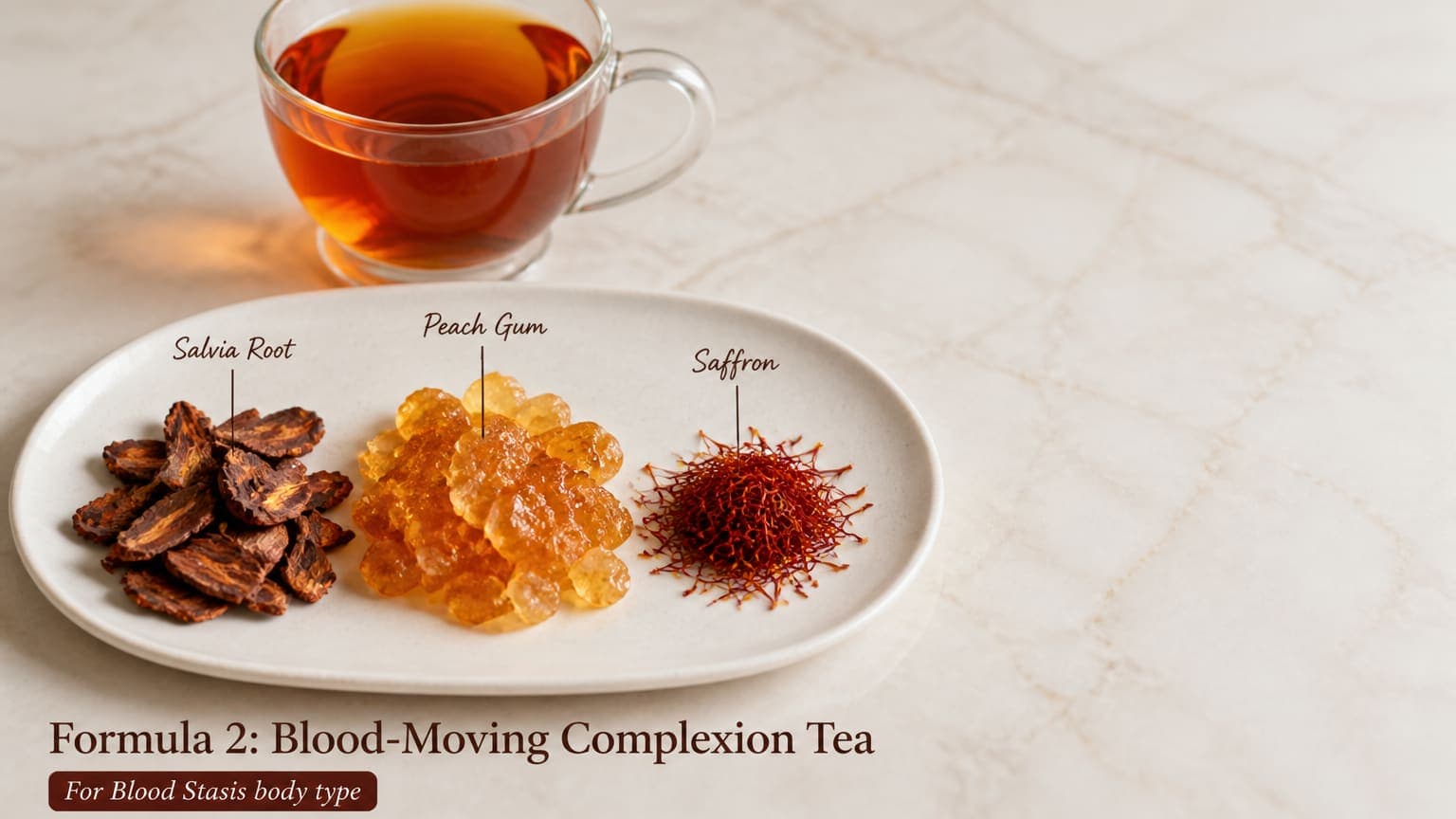
When stress and frustration block the free flow of Qi, digestion slows and emotional eating takes over. Rose soothes the Liver and moves stuck energy, cassia seed clears heat and supports the bowel, and tangerine peel keeps everything flowing smoothly.
Ingredients
| Ingredient | Amount | Role | Why This Herb |
|---|---|---|---|
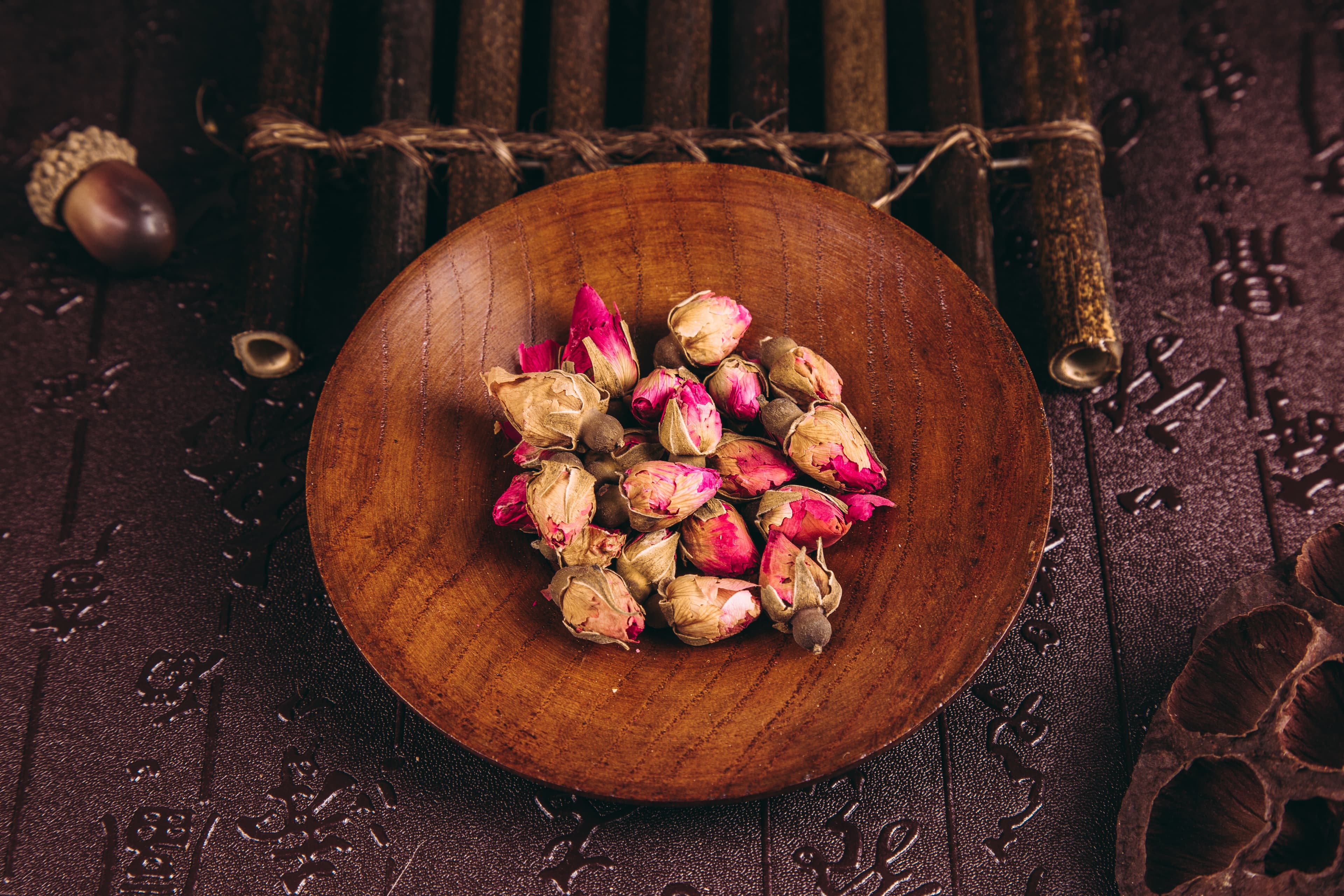 Dried Rose Buds(玫瑰花)→ Dried Rose Buds(玫瑰花)→ | 5g (about 6-8 buds) | Primary | Soothes the Liver, moves Qi, and lifts the mood. The signature herb for stress-related patterns in TCM. |
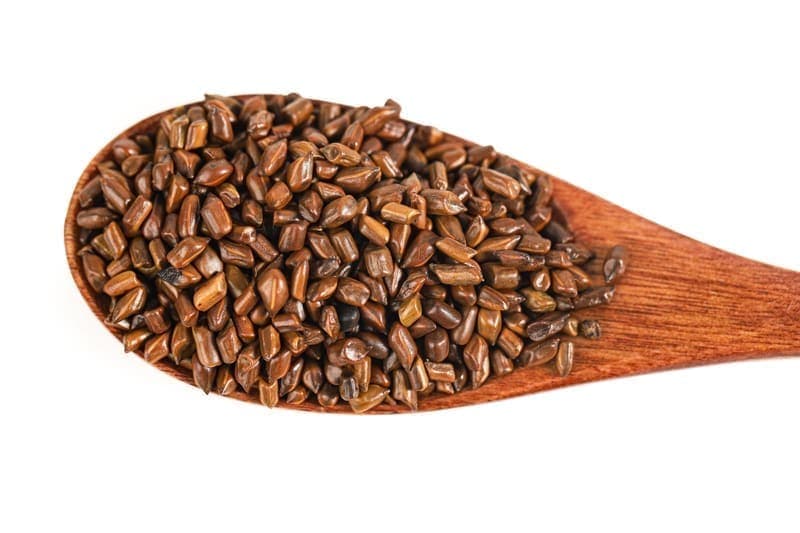 Cassia Seed(决明子)→ Cassia Seed(决明子)→ | 10g (about 1 tablespoon) | Support | Clears Liver heat and supports healthy bowel function. Also traditionally used to support vision. |
| Aged Tangerine Peel(陈皮)→ | 3g (about 1 small piece) | Harmony | Regulates Qi and prevents the liver-targeting herbs from causing digestive stagnation. |
How to Make It
- 1Lightly crush cassia seeds with the back of a spoon or in a mortar. This releases their active compounds.
- 2Place all ingredients in a teapot or a large heatproof mug.
- 3Pour 400ml (1.5 cups) of water that has just come off the boil over the ingredients.
- 4Cover and let steep for 5-7 minutes. Do not boil, as high heat reduces the delicate rose aroma.
- 5Strain and serve warm. The tea should be a light golden-amber with a visible floral scent.
How to Take
Drink 1-2 cups daily. This tea is especially helpful during stressful periods or 20 minutes before meals to reduce stress-driven cravings.
How Long
Use daily for 3-4 weeks, then reassess. Many people find it helpful to keep this tea on hand for particularly stressful days rather than drinking it constantly. Long-term daily use beyond 2 months is not recommended without professional guidance.
Taste
Floral and aromatic from the rose, with a slightly nutty undertone from cassia seeds and a hint of citrus from tangerine peel. Naturally caffeine-free.
Yield
400ml (1.5 cups) | Prep time: 10 minutes
Who Should Avoid This
- !Cassia seed may cause loose stools in sensitive individuals. Start with half the amount and increase gradually.
- !Not suitable during pregnancy.
- !Avoid if you have chronic diarrhea or loose stools.
- !Cassia seed may lower blood pressure. Monitor closely if you take blood pressure medications.
- !If you experience drowsiness or low blood pressure symptoms, reduce the frequency.
Which Formula Is Right for You?
Each formula targets a specific body type. Taking the 3-minute body type quiz is the fastest way to find your match and get personalized recommendations.
Take the Free Body Type Quiz >Frequently Asked Questions
Can these teas replace diet and exercise?
No. These formulas support your body's internal metabolism and fluid balance, but they are not standalone weight loss solutions. Think of them as helping your body function more efficiently so that your diet and exercise efforts produce better results. A person who drinks herbal tea but eats heavily processed food and never moves will see little change.
Which formula should I start with?
It depends on your body type. If you feel heavy, sluggish, and carry weight mostly around the middle, Formula 1 (Lotus Leaf Tea) may suit you. If you feel tired after eating, bloated, and crave sweets, Formula 2 (Coix Seed Soup) is gentler and better for weak digestion. If stress drives your eating and you feel frustrated and bloated, Formula 3 (Rose Tea) targets the emotional root. The most reliable way to choose is to take our free body type quiz.
Are these ingredients easy to find?
Yes. All ingredients are food-grade items commonly sold at Asian grocery stores, Chinese herbal shops, and online retailers like Amazon. Coix seed (Job's tears), red dates, and hawthorn are also found in some mainstream supermarkets. None of these herbs require a prescription.
How long until I see results?
Chinese medicine works gradually by supporting your body's own processes. Most people notice improved digestion, less bloating, and steadier energy within 2-3 weeks. Visible changes in body composition typically require 6-8 weeks of consistent use combined with mindful eating. The goal is sustainable change, not rapid weight loss that rebounds.
Can I drink more than one formula at the same time?
You can, but it is usually not necessary. Each formula targets a specific body type pattern. Using the one that matches your pattern is more effective than combining all three. If your pattern is mixed or unclear, take the free body type quiz first to get a personalized recommendation.
This content is for educational and informational purposes only and is not medical advice. The herbal formulas described here use food-grade ingredients traditionally consumed in Chinese culture. Always consult a qualified healthcare professional before starting any herbal regimen, especially if you are pregnant, nursing, taking medications, or managing a health condition. Individual results may vary.