Chinese Medicine for Sleep: 3 Herbal Teas by Body Type
Chinese medicine does not sedate the mind into sleep. Instead, it asks why the mind refuses to settle. Three common body types may struggle with sleep for completely different reasons, and each requires a different herbal approach.
Quick Answer
About 40 percent of people with persistent insomnia fit the Qi Deficient body type, where the Spleen cannot produce enough Blood to anchor the Heart and the mind keeps spinning even when the body is exhausted. This pattern tends to involve falling asleep fine but waking at 2 or 3 AM with racing thoughts. Poor sleep can also stem from two other patterns: Yin Deficient, where a lack of cooling fluid lets internal heat keep you hot and restless, and Qi Stagnant, where stress and frustration block the unwind process. Each pattern may respond to a different food-grade herbal tea that settles the specific organ system involved. Matching the tea to why you cannot sleep matters more than forcing the same herb on everyone.
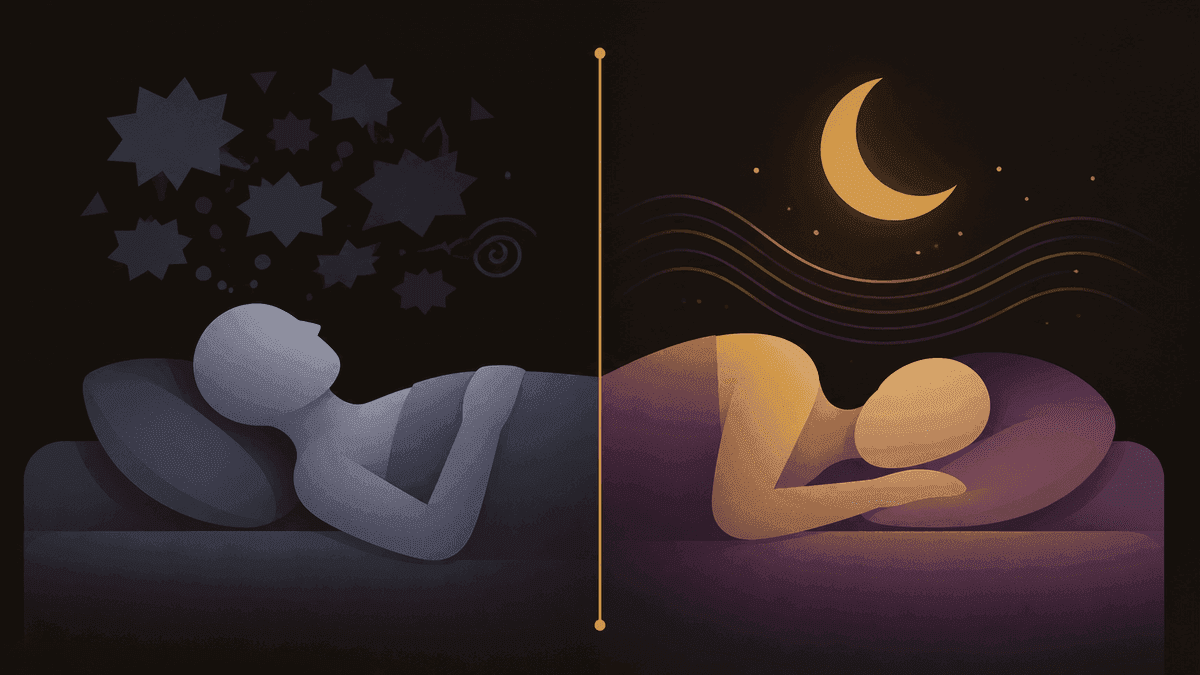
Quick Comparison: Which Formula for Which Type?
Not sure which formula to try? Start here.
| Formula | Best For | Key Herbs | Prep Time | Taste |
|---|---|---|---|---|
| Sour Jujube | Qi Deficient | Sour Jujube Seed, Longan, Poria | 25 minutes | Mildly sweet and slightly tart, with a comforting warmth |
| Lily | Yin Deficient | Lily Bulb, Lotus Seeds, Poria | 30 minutes | Light, clean, and slightly sweet with a delicate floral note from the lily bulb |
| Rose | Qi Stagnant | Rose Petals, Chrysanthemum, Aged Tangerine Peel | 10 minutes | Floral, aromatic, and refreshing |
Curious which body type you are? Take the free 5-minute quiz.
Take the Free Quiz →Why Chinese Medicine Sees Weight Differently
Western medicine and Chinese medicine are not opposites. They look at the same body from different angles. Understanding both perspectives helps you make better choices for your body.
| Topic | Western Medicine | Chinese Medicine |
|---|---|---|
| Root cause of insomnia | Stress, anxiety, poor sleep hygiene, or melatonin imbalance | Heart-Spleen deficiency, Heart-Kidney disharmony, or Liver fire depending on which organ system is out of balance |
| View of sleep | A neurological state driven by circadian rhythms and neurotransmitters | When Yang energy naturally descends and Yin energy rises, the mind settles. Insomnia means this transition is blocked |
| Primary solution | Melatonin supplements, sleep hygiene, or prescription sedatives | Nourish the Heart and Spleen, bridge Heart and Kidney, or clear Liver fire so the mind can naturally settle |
| Role of the mind | Racing thoughts are a psychological problem to be managed | Racing thoughts reflect a physical organ imbalance. When the Heart lacks nourishment, the mind has no anchor |
| Why waking at specific times matters | Not typically considered in diagnosis | Waking at 1-3 AM points to Liver, 3-5 AM to Lung, 11 PM-1 AM to Gallbladder. Each time tells a different story |
| Role of caffeine | Blocks adenosine receptors, delays sleep onset | Coffee generates internal heat that keeps the Liver agitated and the Heart restless, making natural sleep harder |
Three Body Types That Commonly Struggle With Weight
In Chinese medicine, there is no universal weight loss formula. The right approach depends on your body type. Here are the three most common patterns:
TCM Perspective
The Spleen cannot produce enough Blood to nourish the Heart. When the Heart lacks Blood, the mind has nowhere to rest. You fall asleep but wake frequently, or you lie in bed exhausted but your mind keeps spinning with trivial thoughts.
Plain English
Your body is too depleted to sustain the deep relaxation needed for sleep. Low blood sugar, mild anemia, or chronic fatigue can keep your nervous system in a low-grade alert state, preventing deep sleep cycles.
Common Signs
A Simple Analogy
Imagine a house with a weak foundation. The lights work, the doors close, but the structure itself is too fragile to fully settle. No amount of locking the doors will make it feel stable. You need to reinforce the foundation first.
TCM Perspective
The Kidney Yin is too low to anchor the Heart's fire. Normally, the cooling Kidney energy rises to meet and cool the warming Heart energy. When Yin is depleted, Heart fire burns uncontrolled upward, keeping the mind agitated and the body hot.
Plain English
Your body is stuck in a mild fight-or-flight state with elevated cortisol. The cooling, moistening systems are undercharged, so your internal temperature and stress hormones stay too high for deep sleep.
Common Signs
A Simple Analogy
Picture a pot of water boiling with no lid. The heat escapes upward nonstop. You can try to push the steam down, but it will keep rising until you either reduce the fire or add more water to absorb the heat.
TCM Perspective
Frustration and stress cause Liver Qi to stagnate and transform into fire. This Liver fire rises and disturbs the Heart, creating a loop of irritability, overthinking, and inability to unwind. You feel physically tense, especially in the chest and jaw.
Plain English
Chronic stress keeps your sympathetic nervous system activated. Muscle tension, elevated adrenaline, and a hyperactive mind make it impossible to transition from alertness to rest. Alcohol and late screens make it worse.
Common Signs
A Simple Analogy
Think of a traffic jam at rush hour. Nothing is broken, but the flow is completely stuck. Honking the horn does not help. You need to relieve the bottleneck so traffic can move naturally again.
Sour Jujube & Longan Calm Tea
酸枣仁龙眼肉茶|Suan Zao Ren Long Yan Rou Cha
Classical Source: Adapted from Gui Pi Tang (Restore the Spleen Decoction) in Ji Sheng Fang (1253)
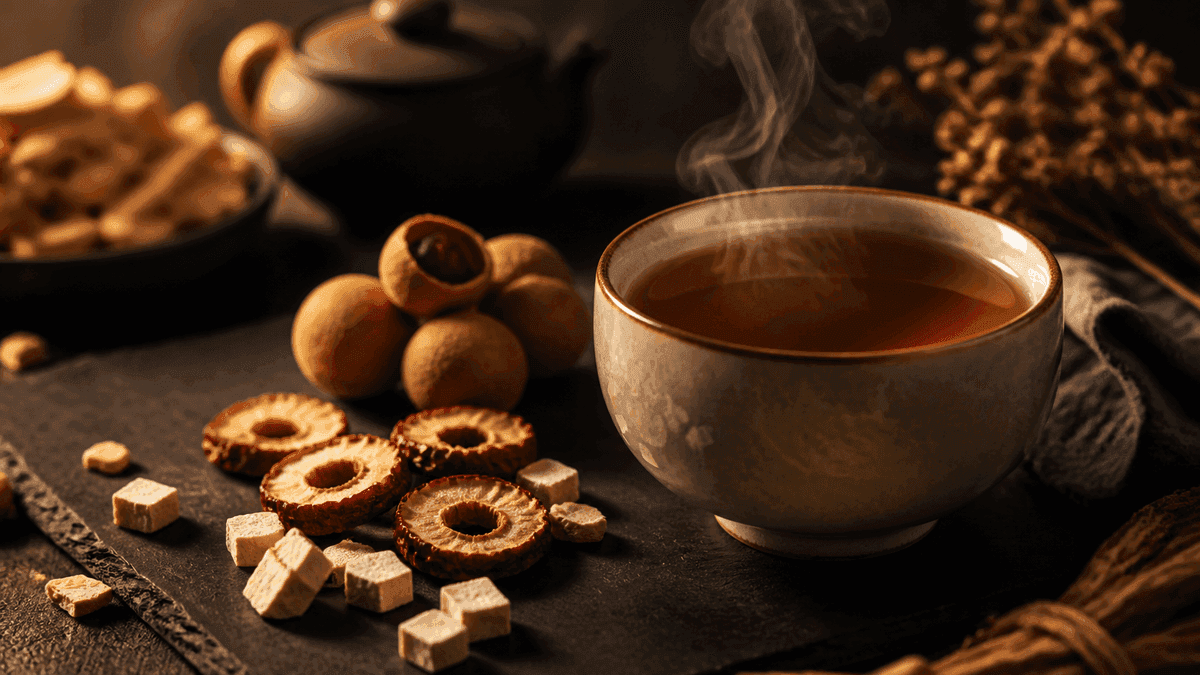
This tea nourishes the Heart and Spleen so the mind has a place to rest. Sour jujube seed is the premier calm-sleep herb in Chinese medicine, while longan fruit nourishes Heart Blood. Poria grounds the formula and helps the mind settle into deep rest.
Ingredients
| Ingredient | Amount | Role | Why This Herb |
|---|---|---|---|
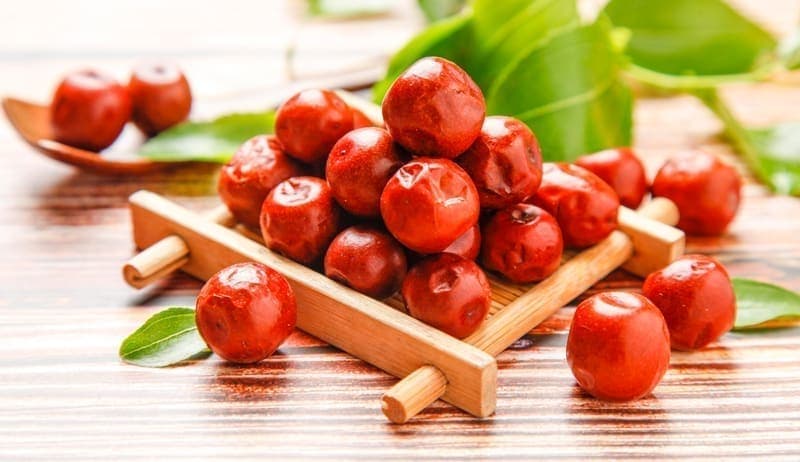 Sour Jujube Seed(酸枣仁)→ Sour Jujube Seed(酸枣仁)→ | 10g (about 1 tablespoon) | Primary | The most trusted herb for calming the mind and promoting sleep in Chinese medicine. Sour jujube seed nourishes Heart Blood and anchors the mind so it can settle. |
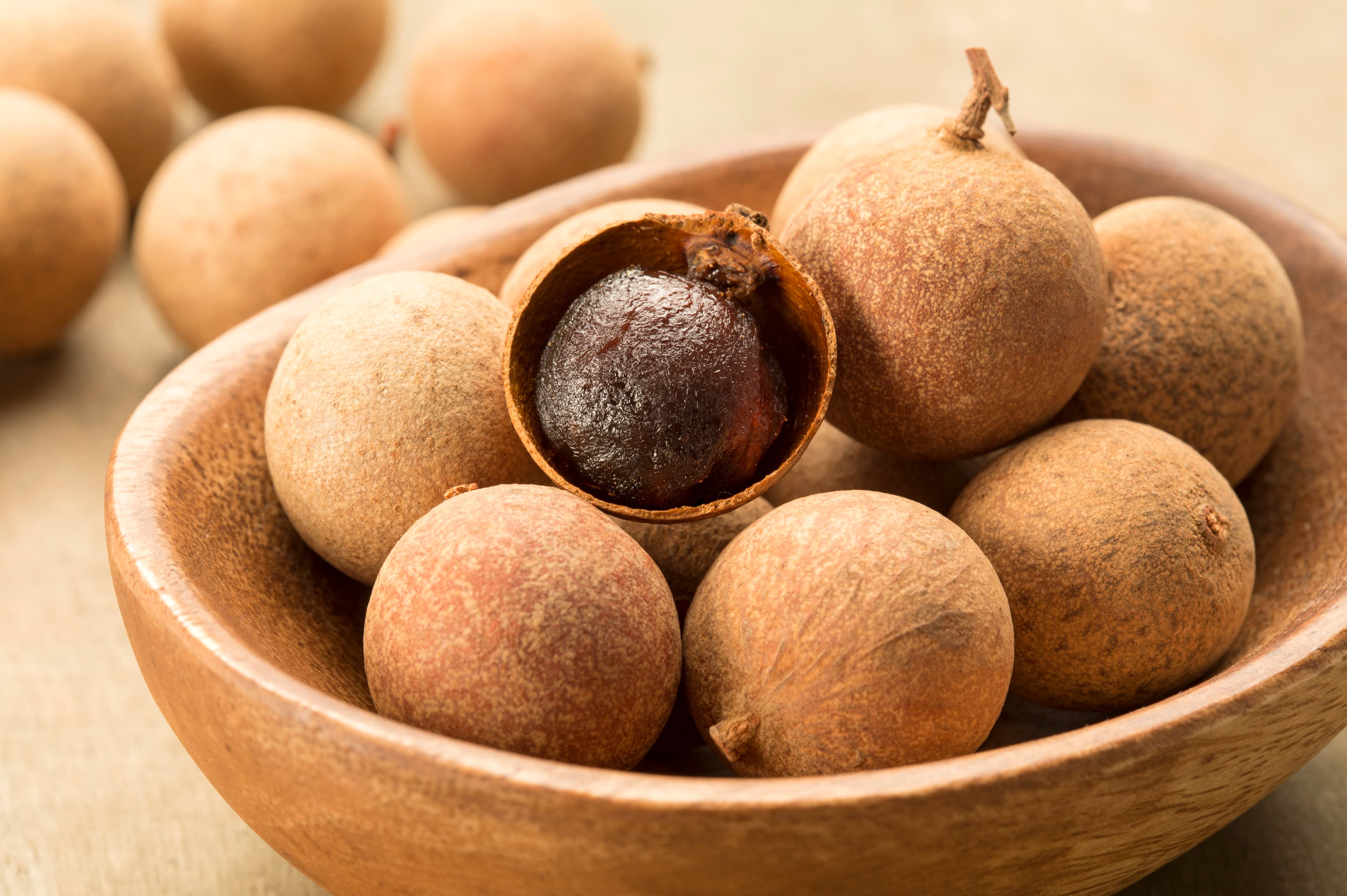 Longan(龙眼肉)→ Longan(龙眼肉)→ | 8 pieces, dried | Support | Nourishes Heart Blood and gently calms the spirit. Longan adds natural sweetness and works synergistically with sour jujube seed to replenish the Heart. |
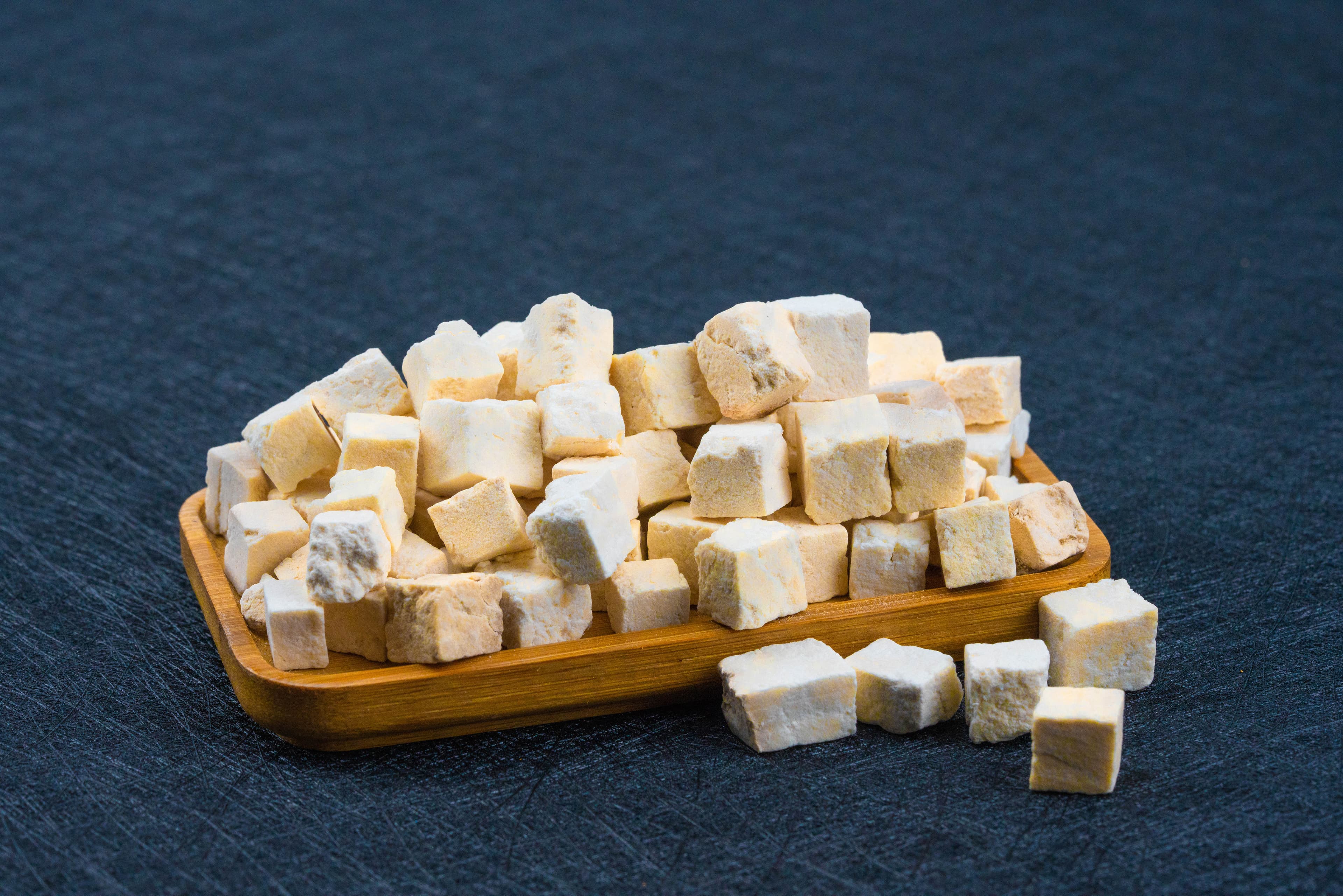 Poria(茯芲)→ Poria(茯芲)→ | 5g (about 4-5 small pieces) | Harmony | Strengthens the Spleen and calms the mind. Poria helps the body process the other herbs without causing dampness. |
How to Make It
- 1Lightly crush sour jujube seeds with the back of a spoon to release their active compounds.
- 2Place all ingredients in a small pot with 500ml (2 cups) of fresh water.
- 3Bring to a boil over medium heat (about 5 minutes).
- 4Reduce to low heat, cover, and simmer for 15 minutes.
- 5Turn off heat and let sit for 5 minutes.
- 6Strain into a cup. The tea should be a light amber color with a subtle fragrance.
How to Take
Drink one cup (250ml) warm, 45 to 60 minutes before bed. This gives the herbs time to take effect as you begin your wind-down routine.
How Long
Drink daily for 3 consecutive weeks, then pause for 1 week. Most people notice deeper, less interrupted sleep within 5-7 days. Long-term sleep pattern improvement typically requires 4-6 weeks of consistent use.
Taste
Mildly sweet and slightly tart, with a comforting warmth. The longan provides a honey-like sweetness while the sour jujube adds a subtle tang.
Yield
500ml (2 cups) | Prep time: 25 minutes
Who Should Avoid This
- !Not suitable during acute colds or flu.
- !If you experience drowsiness the next morning, reduce sour jujube seed to half the amount.
- !Avoid driving or operating machinery within 2 hours of drinking this tea.
- !Not recommended for those with acute diarrhea or bloating.
- !This formula is calming in nature. If you feel more sluggish during the day, use every other day instead.
Lily & Lotus Heart-Calming Tea
百合莲子心茶|Bai He Lian Zi Xin Cha
Classical Source: Adapted from Jiao Tai Wan (Harmony-Pill) in Han Shi Yi Tong (1720)
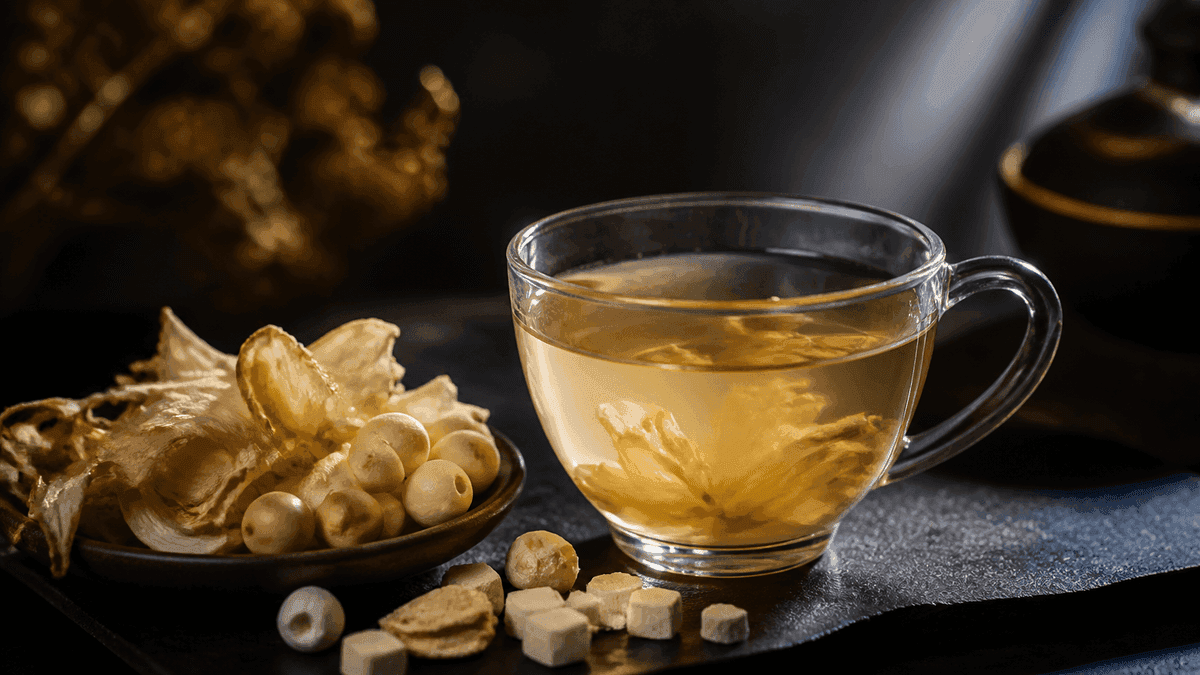
This cooling tea bridges the Heart and Kidney so fire and water can communicate again. Lily bulb moistens and cools, lotus seeds calm the mind, and the gentle combination helps the body transition from restless heat into restful cool.
Ingredients
| Ingredient | Amount | Role | Why This Herb |
|---|---|---|---|
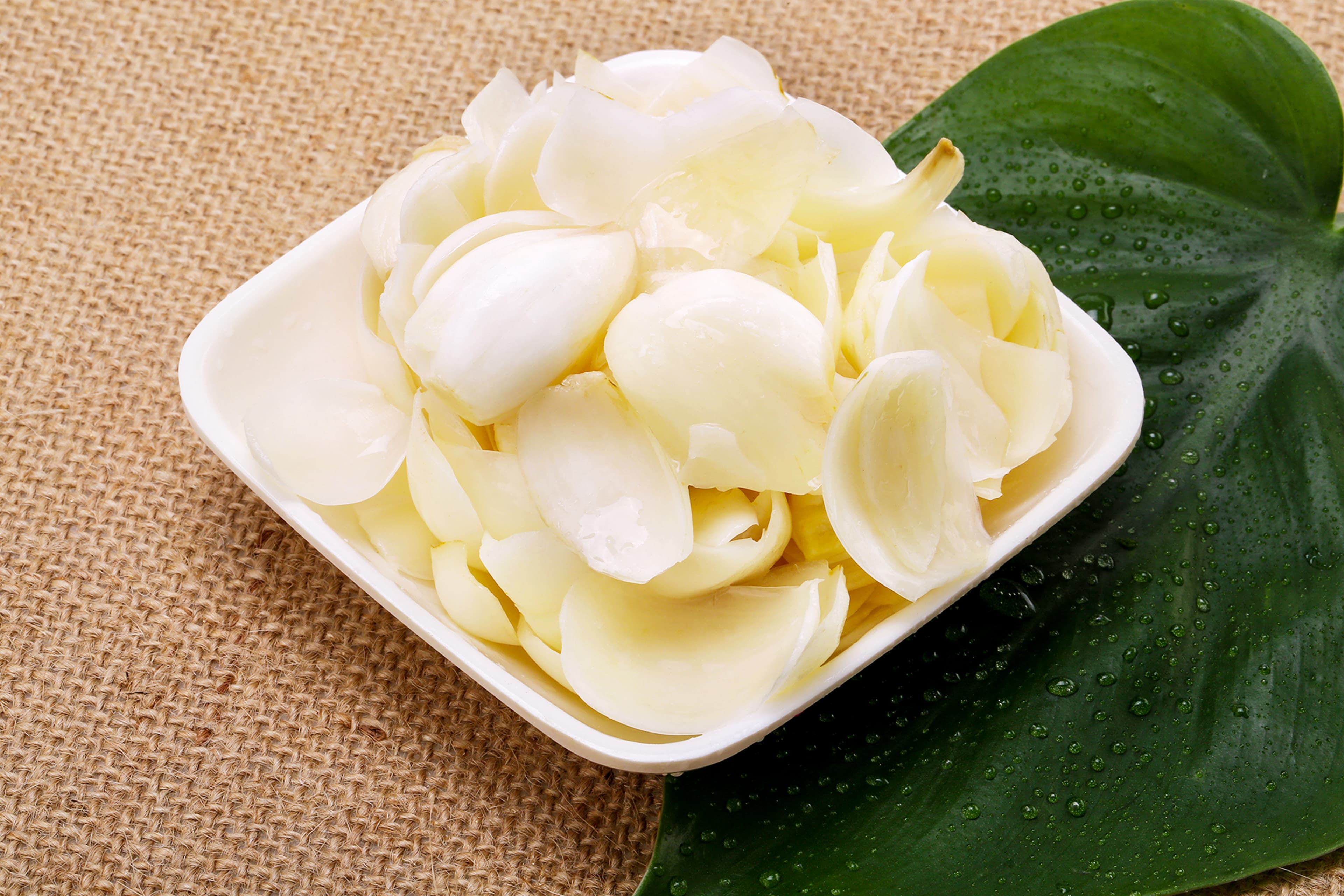 Lily Bulb(百合)→ Lily Bulb(百合)→ | 10g (about 8-10 dried petals) | Primary | Cooling and moistening, lily bulb nourishes Lung and Heart Yin. It helps clear the empty heat that keeps the mind restless at night. |
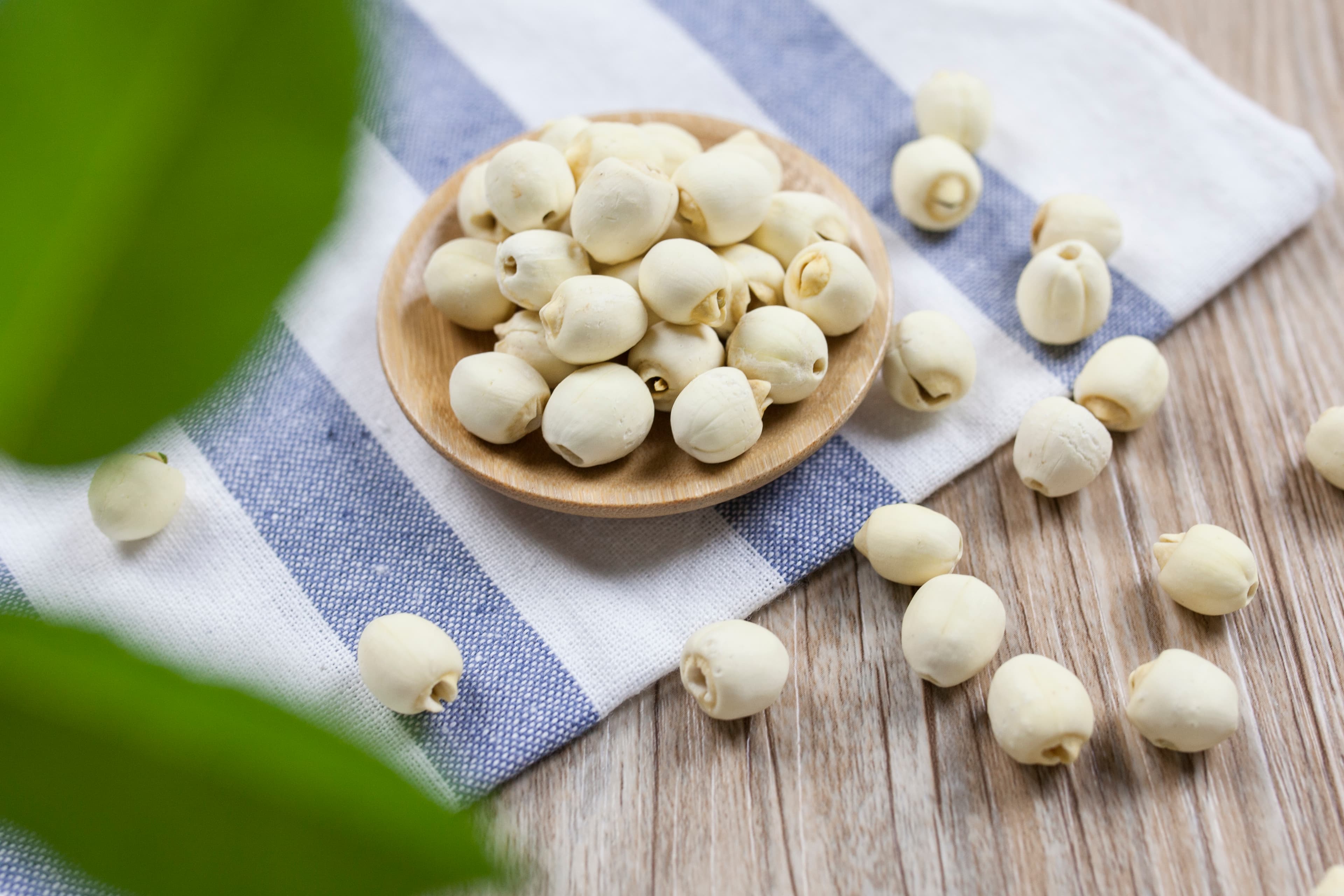 Lotus Seeds(莲子)→ Lotus Seeds(莲子)→ | 15g (about 10 seeds) | Support | Calms the mind and strengthens the Spleen. Lotus seeds help anchor the mind and support the body's ability to hold energy rather than scatter it. |
| Poria(茯芲)→ | 5g (about 4-5 small pieces) | Harmony | Calms the Heart and supports fluid metabolism. Poria helps the body process the nourishing herbs without creating dampness. |
How to Make It
- 1Rinse all ingredients briefly under cool water.
- 2Soak lotus seeds in warm water for 30 minutes if they are very hard.
- 3Place all ingredients in a small pot with 500ml (2 cups) of fresh water.
- 4Bring to a boil over medium heat (about 5 minutes).
- 5Reduce to low heat, cover, and simmer for 20 minutes.
- 6Turn off heat and let sit for 5 minutes.
- 7Strain into a cup. The tea should be a clear, pale golden color.
How to Take
Drink one cup (250ml) warm, 45 minutes before bed. This tea is naturally caffeine-free and will not cause morning grogginess when taken at this timing.
How Long
Drink daily for 3 consecutive weeks, then pause for 1 week. Most people notice less nighttime waking and cooler body temperature within the first week. Deeper sleep restoration typically requires 4-6 weeks of consistent use.
Taste
Light, clean, and slightly sweet with a delicate floral note from the lily bulb. The lotus seeds add a mild, starchy sweetness. Calming and gentle on the palate.
Yield
500ml (2 cups) | Prep time: 30 minutes
Who Should Avoid This
- !Not suitable during acute colds with chills, as this formula is cooling in nature.
- !If you experience loose stools, reduce lotus seeds to half the amount.
- !Avoid taking this tea with spicy or very hot food on the same evening.
- !If you feel more cold or tired after 3 days, discontinue. You may be Yang deficient rather than Yin deficient.
- !Not recommended for those with chronic loose stools or cold-type digestion.
Rose & Chrysanthemum Unwind Tea
玫瑰花菊花茶|Mei Gui Hua Ju Hua Cha
Classical Source: Adapted from Xiao Yao San (Free and Easy Wanderer Powder) in Tai Ping Hui Min He Ji Ju Fang (1085)
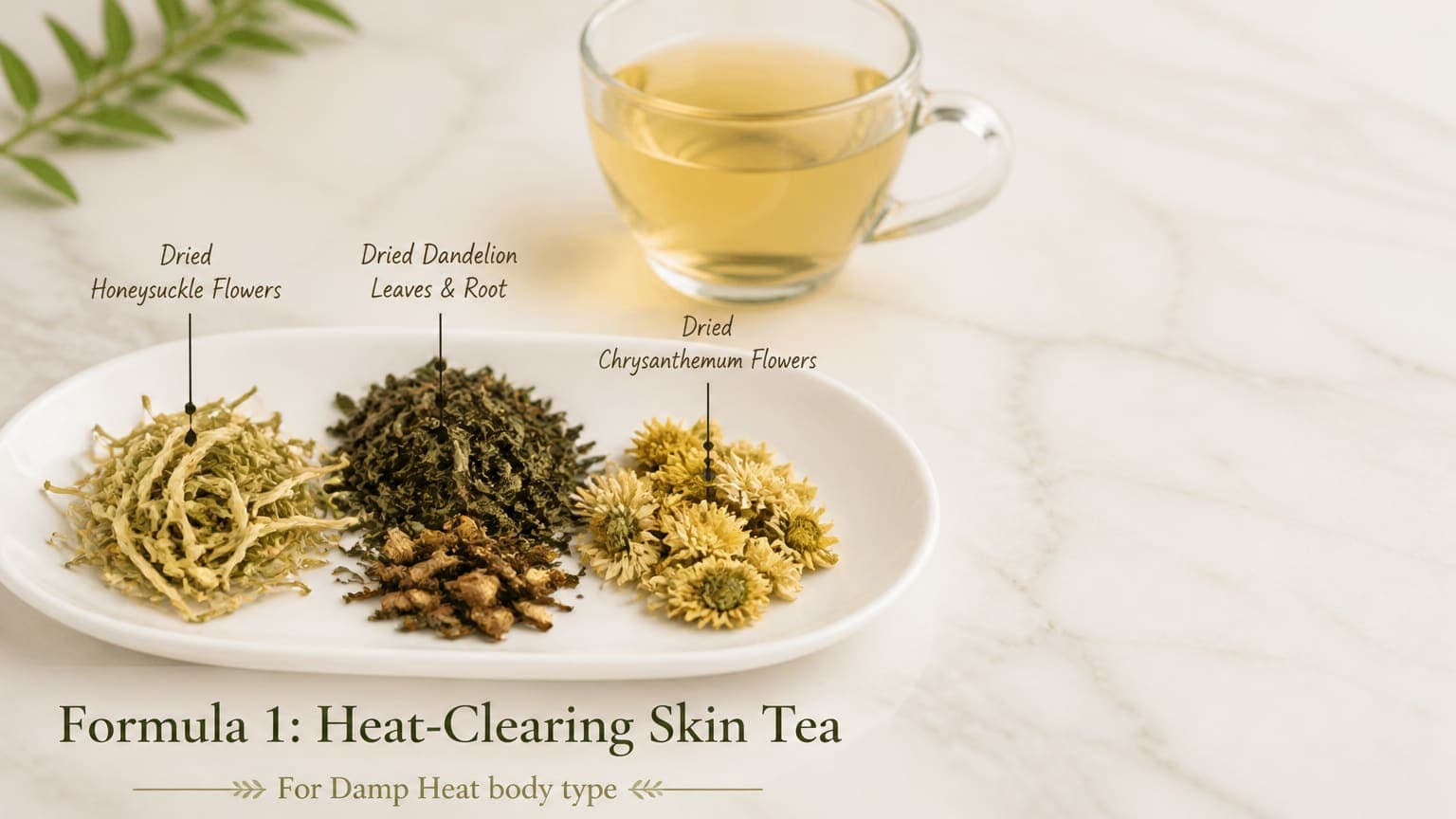
This tea releases stuck Liver energy and clears the heat that comes from frustration. Rose moves Qi and soothes the Liver, chrysanthemum clears heat from the head, and tangerine peel keeps everything flowing. It is the tea to drink when stress is the reason you can't sleep.
Ingredients
| Ingredient | Amount | Role | Why This Herb |
|---|---|---|---|
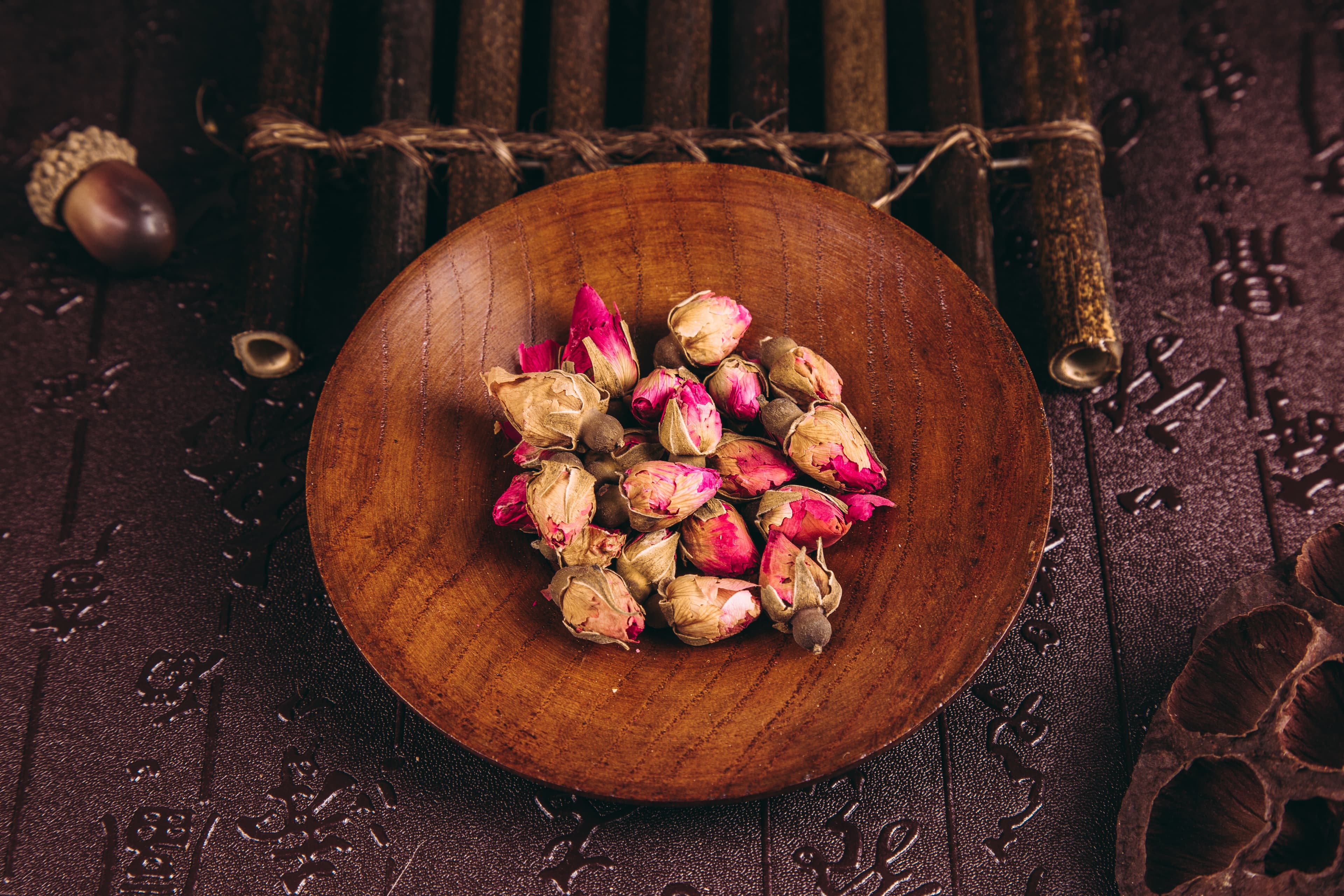 Rose Petals(玫瑰花)→ Rose Petals(玫瑰花)→ | 5g (about 6-8 dried buds) | Primary | Soothes the Liver and moves stuck Qi. Rose is the signature herb for stress-related patterns, helping release the emotional tension that keeps the mind spinning at night. |
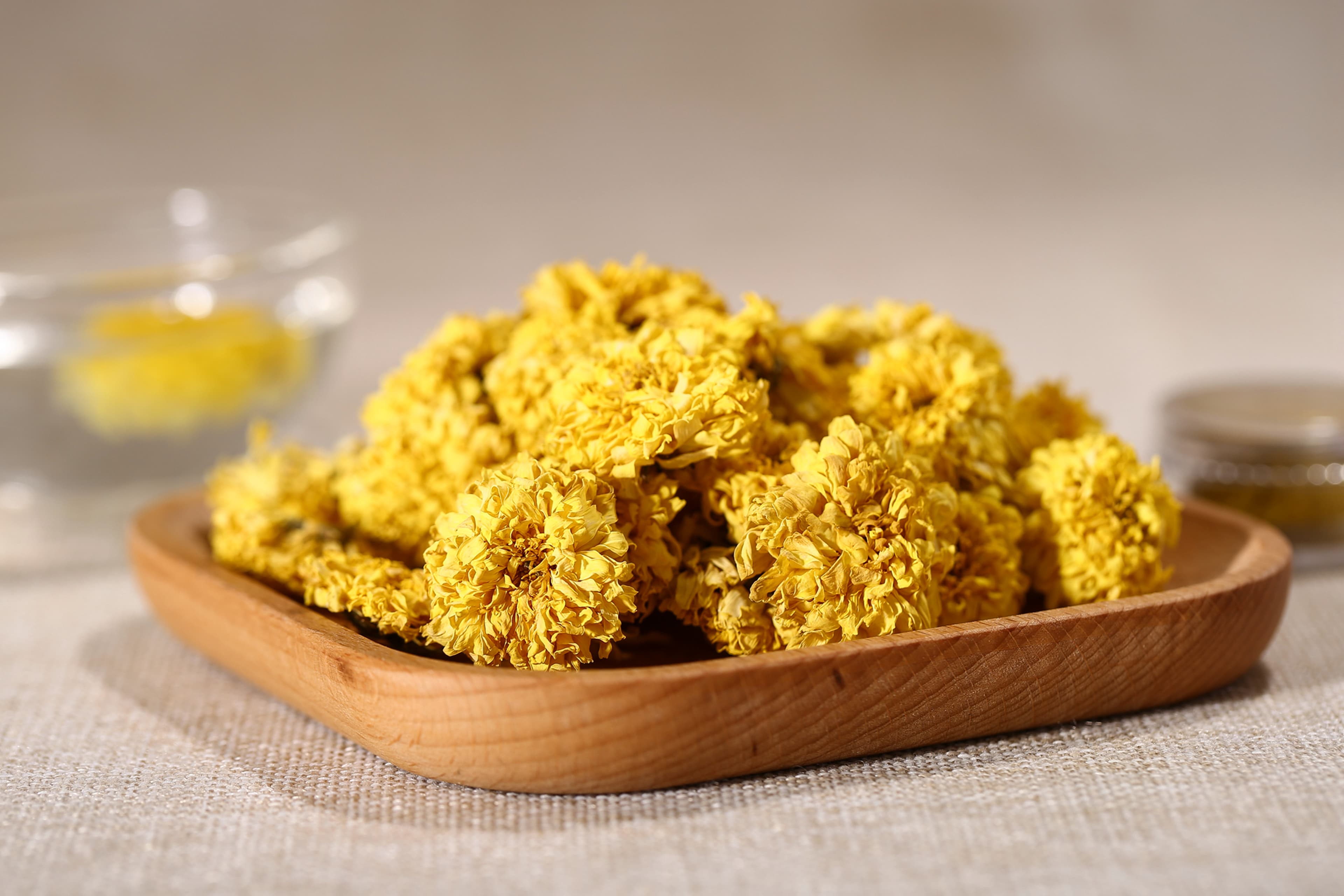 Chrysanthemum(菊花)→ Chrysanthemum(菊花)→ | 5g (about 8-10 dried flowers) | Support | Clears heat from the Liver and head. Chrysanthemum helps cool the agitation that rises from Liver fire, making it easier for the mind to settle. |
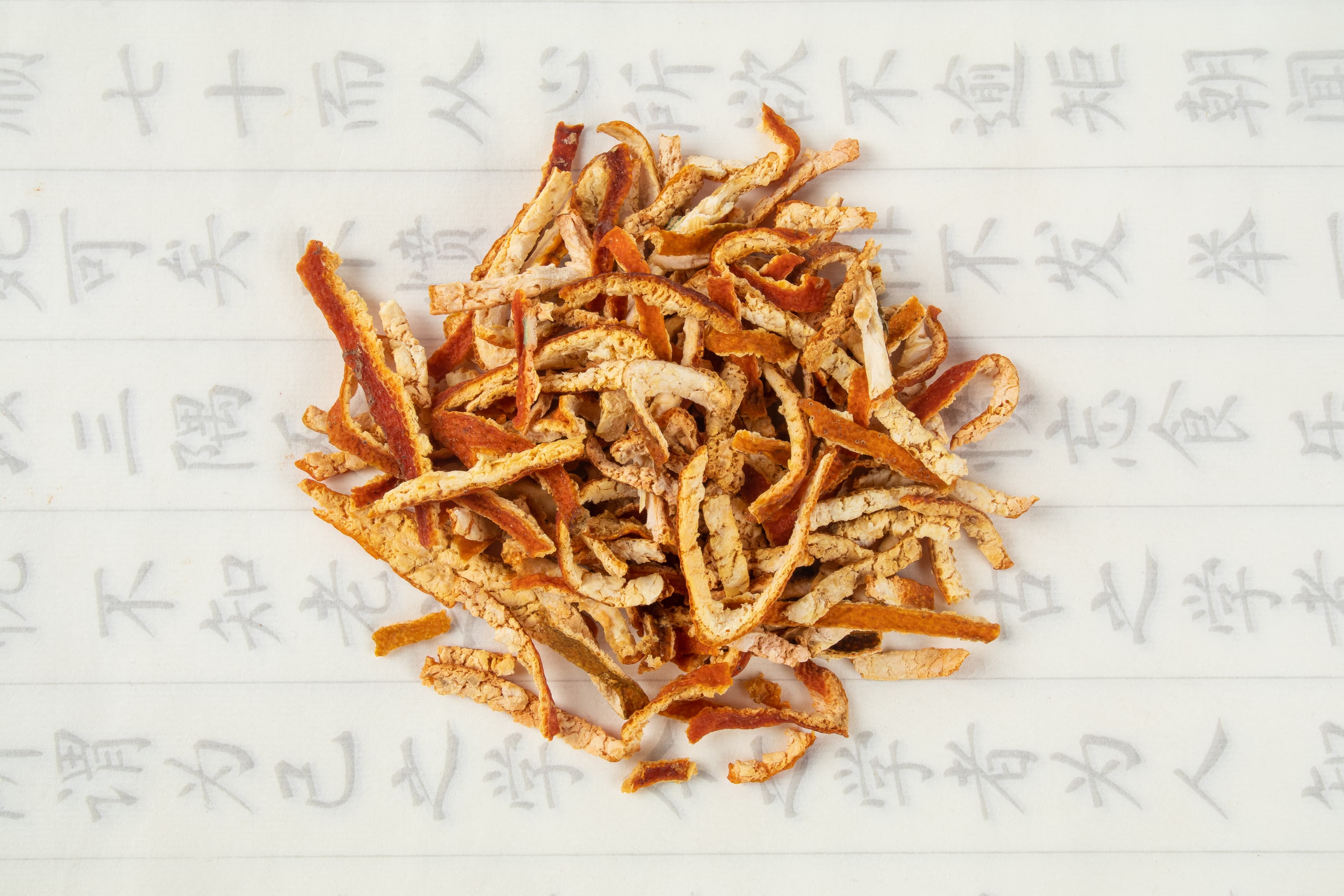 Aged Tangerine Peel(陈皮)→ Aged Tangerine Peel(陈皮)→ | 3g (about 1 small piece) | Harmony | Regulates Qi and supports digestion. Tangerine peel prevents the other herbs from causing stagnation and helps move energy smoothly through the body. |
How to Make It
- 1Rinse all ingredients briefly under cool water.
- 2Place all ingredients in a teapot or large heatproof mug.
- 3Pour 400ml (1.5 cups) of water that has just come off the boil over the ingredients.
- 4Cover and let steep for 7 minutes. Do not boil, as high heat reduces the delicate floral properties.
- 5Strain and serve warm. The tea should be a light golden color with a visible floral aroma.
How to Take
Drink one cup (200ml) warm, 30 to 45 minutes before bed. This tea is especially helpful on high-stress days. You can also drink a half cup after work to begin the unwinding process earlier.
How Long
Use daily for 3-4 weeks, then reassess. Many people find it helpful to keep this tea on hand for particularly stressful periods rather than drinking it every night. If stress-driven sleep issues persist beyond 2 months of regular use, consult a qualified practitioner.
Taste
Floral, aromatic, and refreshing. The rose provides a delicate sweetness, the chrysanthemum adds a clean floral note, and the tangerine peel contributes a hint of citrus warmth. Naturally caffeine-free.
Yield
400ml (1.5 cups) | Prep time: 10 minutes
Who Should Avoid This
- !Not suitable during pregnancy without consulting a healthcare provider.
- !If you experience loose stools, reduce the amount of tangerine peel.
- !Avoid this tea if you have very low blood pressure, as rose may lower it slightly.
- !If you feel more energized rather than calmer, drink it earlier in the evening, right after dinner.
- !Not recommended for those with severe Qi deficiency as a primary pattern.
Which Formula Is Right for You?
Each formula targets a specific body type. Taking the 3-minute body type quiz is the fastest way to find your match and get personalized recommendations.
Take the Free Body Type Quiz >Frequently Asked Questions
Can these teas replace melatonin or sleeping pills?
These teas support your body's natural sleep process rather than forcing sleep. If you currently take prescription sleep medication, do not stop abruptly. These teas can be used alongside melatonin, and over time you may find you need less. For prescription sedatives, consult your doctor before making any changes.
Which formula should I start with?
It depends on why you can't sleep. If you fall asleep but wake at 2-3 AM with a racing mind, Formula 1 (Sour Jujube & Longan Tea) nourishes the Heart and Spleen. If you can't fall asleep at all and feel hot and restless, Formula 2 (Lily & Lotus Tea) cools and bridges Heart and Kidney. If stress and frustration keep you tense and awake, Formula 3 (Rose & Chrysanthemum Tea) releases stuck Liver energy. The most reliable way to choose is to take our free body type quiz.
Are these ingredients easy to find?
Yes. All ingredients are food-grade items commonly sold at Asian grocery stores, Chinese herbal shops, and online retailers like Amazon. Sour jujube seed, longan, lily bulb, lotus seeds, and chrysanthemum are widely available. Poria and rose buds may require a trip to a Chinese herbal shop or an online TCM supplier. None of these herbs require a prescription.
How long until I sleep better?
Chinese medicine works gradually by rebalancing the organ systems that govern sleep. Most people notice subtle improvements within the first week: falling asleep slightly faster, fewer nighttime wakings, or feeling more rested on waking. Meaningful sleep pattern changes typically require 3-4 weeks of consistent daily use. The goal is restoring natural sleep architecture, not forcing sedation.
Can I drink more than one formula at the same time?
You can, but it is usually not necessary. Each formula targets a specific organ pattern. Using the one that matches your body type is more effective than combining all three. If your pattern is mixed or unclear, take the free body type quiz first to get a personalized recommendation. Combining warming and cooling formulas at the same time may reduce their effectiveness.
This content is for educational and informational purposes only and is not medical advice. The herbal formulas described here use food-grade ingredients traditionally consumed in Chinese culture. Always consult a qualified healthcare professional before starting any herbal regimen, especially if you are pregnant, nursing, taking medications, or managing a health condition. Individual results may vary.