Chinese Medicine for Digestion: 3 Herbal Teas by Body Type
Chinese medicine sees the digestive system as a cooking pot. If the fire under the pot is too weak, food sits and ferments. If the pot is too hot, fluids dry up. If the flow is stuck, pressure builds. Three common body types need three completely different approaches to digestion.
Quick Answer
Spleen Qi Deficient is the primary TCM explanation for bloating and tiredness after meals, where the digestive fire runs too low to process food and what you eat sits, ferments, and produces gas. This body type often craves sweets, has loose stools, and feels full quickly. Digestive trouble can also arise from two other patterns: Yin Deficient, where the stomach lining loses its protective moisture and reacts with acid reflux and dryness, and Qi Stagnant, where stress pushes stuck energy sideways into the stomach and causes bloating that shifts location. Each pattern may respond to a different food-grade herbal tea that supports the specific weakness involved. Strengthening the right system, rather than suppressing every symptom the same way, is what makes the difference.
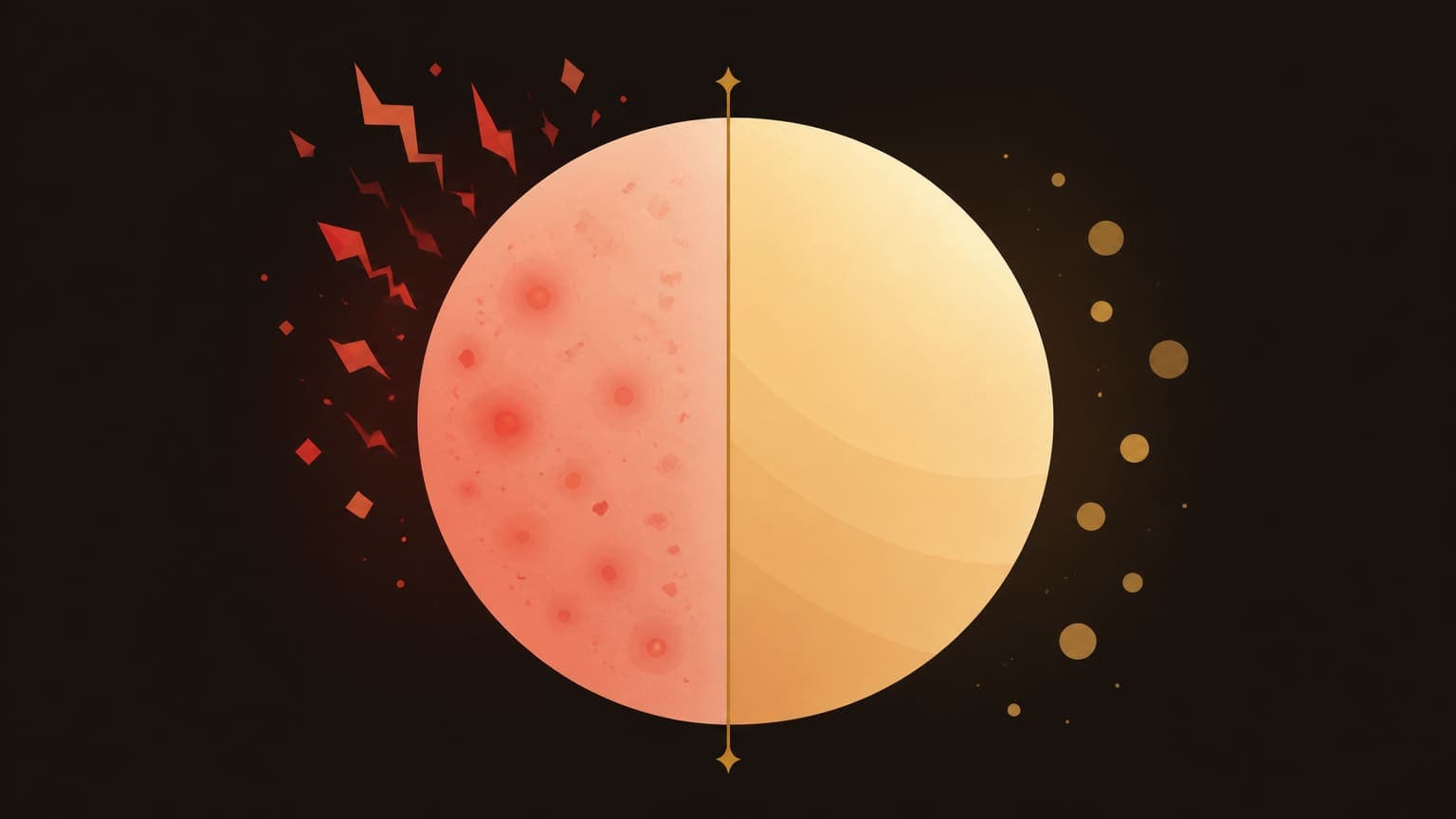
Quick Comparison: Which Formula for Which Type?
Not sure which formula to try? Start here.
| Formula | Best For | Key Herbs | Prep Time | Taste |
|---|---|---|---|---|
| Chinese Yam | Qi Deficient | Chinese Yam, Poria, Coix Seed, Red Dates | 50 minutes (includes soaking) | Mild, slightly sweet, and comforting |
| Dendrobium | Yin Deficient | Dendrobium, Ophiopogon, Goji Berries | 15 minutes | Light, clean, and slightly sweet with a cooling sensation |
| Aged Tangerine Peel | Qi Stagnant | Aged Tangerine Peel, Hawthorn, Patchouli | 20 minutes | Warm citrus aroma with a tangy, slightly sour edge from the hawthorn |
Curious which body type you are? Take the free 5-minute quiz.
Take the Free Quiz →Why Chinese Medicine Sees Weight Differently
Western medicine and Chinese medicine are not opposites. They look at the same body from different angles. Understanding both perspectives helps you make better choices for your body.
| Topic | Western Medicine | Chinese Medicine |
|---|---|---|
| Root cause of indigestion | Acid reflux, H. pylori, food intolerances, or stress | Spleen Qi deficiency, Stomach heat, or Liver Qi invading the Stomach depending on the pattern |
| View of digestion | Mechanical breakdown of food by stomach acid and enzymes | The Spleen transforms food into Qi and Blood using digestive fire. The Stomach receives and breaks down. They must work together |
| Primary solution | Antacids, proton pump inhibitors, or digestive enzymes | Strengthen Spleen Qi, clear Stomach heat, or regulate Liver Qi so the digestive system can function naturally |
| Role of temperature | Not typically considered important for digestion | Cold and raw foods douse the digestive fire. Warm cooked foods support it. Temperature is as important as nutrition |
| Why bloating happens | Excess gas production from bacteria or food fermentation | Spleen Qi is too weak to move food downward. Food sits, ferments, and creates pressure and bloating |
| Role of emotions | Stress may worsen symptoms but is not the root cause | Frustration and stress cause Liver Qi to stagnate and invade the Stomach, directly disrupting digestion |
Three Body Types That Commonly Struggle With Weight
In Chinese medicine, there is no universal weight loss formula. The right approach depends on your body type. Here are the three most common patterns:
TCM Perspective
The Spleen lacks the energy to transform food efficiently. Food enters but is not properly processed, leading to bloating, gas, and fatigue after meals. The digestive fire is simply too low to cook the food in the pot.
Plain English
Your digestive enzymes and gut motility are underpowered. Food moves slowly through the system, fermenting and producing gas. You absorb nutrients poorly, which is why you feel tired after eating.
Common Signs
A Simple Analogy
Imagine a stove on low heat trying to cook a heavy pot of stew. No matter how long you wait, the food never fully cooks. The solution is not adding more food. It is turning up the heat.
TCM Perspective
Stomach Yin is depleted, meaning the cooling, moistening fluids that protect the stomach lining are too low. The stomach becomes dry and hot. You feel hungry but get full quickly, or have acid reflux because there is not enough moisture to buffer the heat.
Plain English
Your stomach lining lacks adequate protective mucus. This can resemble mild gastritis or acid reflux. The digestive tract is dry and irritated, making it sensitive to spicy and hot foods.
Common Signs
A Simple Analogy
Think of a non-stick pan that has lost its coating. Food sticks and burns easily. Adding more food does not help. You need to re-season the pan with a layer of protective oil.
TCM Perspective
Stress and frustration cause Liver Qi to stagnate. Instead of flowing smoothly, this stuck energy presses sideways into the digestive system, disrupting the Stomach's downward flow. The result is bloating, hiccups, and symptoms that shift location.
Plain English
Chronic stress disrupts the gut-brain axis. Your enteric nervous system is locked in tension, causing irregular contractions, trapped gas, and discomfort that moves around. Symptoms flare up during stressful periods.
Common Signs
A Simple Analogy
Picture a highway where one lane is blocked. Traffic backs up in all directions. Honking does not help. You need to clear the blockage so the natural flow can resume.
Chinese Yam & Poria Strengthening Porridge
山药茯芲粥|Shan Yao Fu Ling Zhou
Classical Source: Adapted from Shen Ling Bai Zhu San (Ginseng, Poria, and Atractylodes Powder) in Tai Ping Hui Min He Ji Ju Fang (1085)
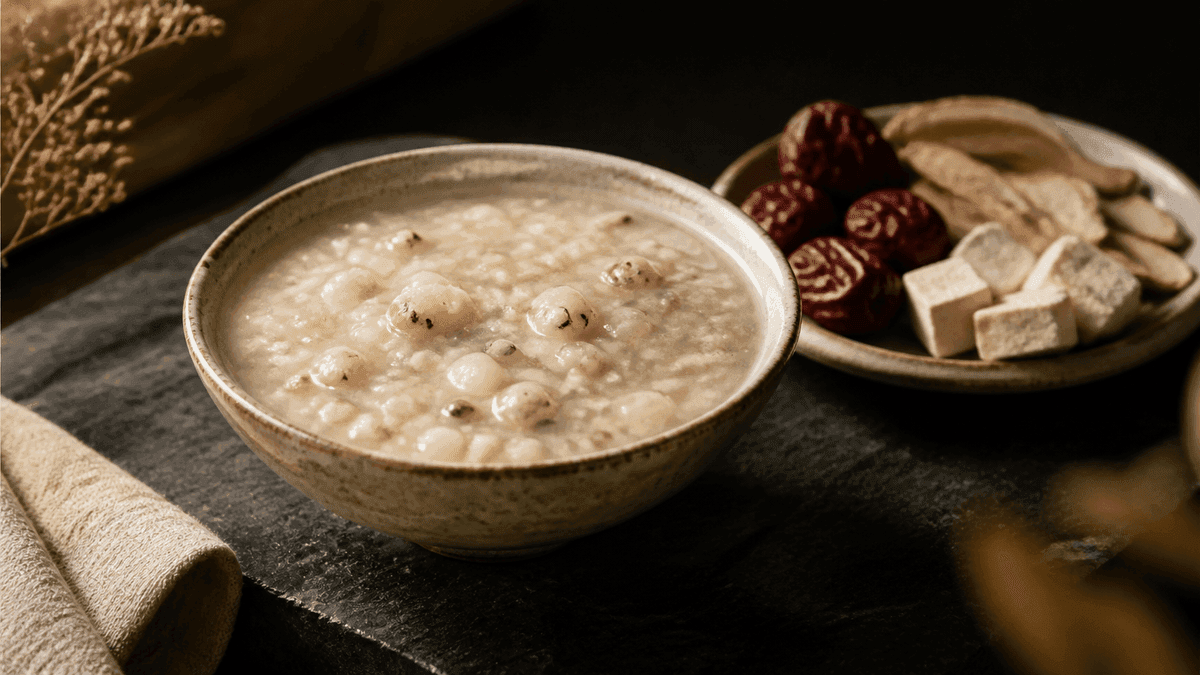
This gentle porridge rebuilds the Spleen's transformative power. Chinese yam strengthens the digestive core, poria drains dampness without depleting energy, and coix seed adds a second layer of dampness-draining support. Red dates sweeten and nourish the Blood that the Spleen needs to function.
Ingredients
| Ingredient | Amount | Role | Why This Herb |
|---|---|---|---|
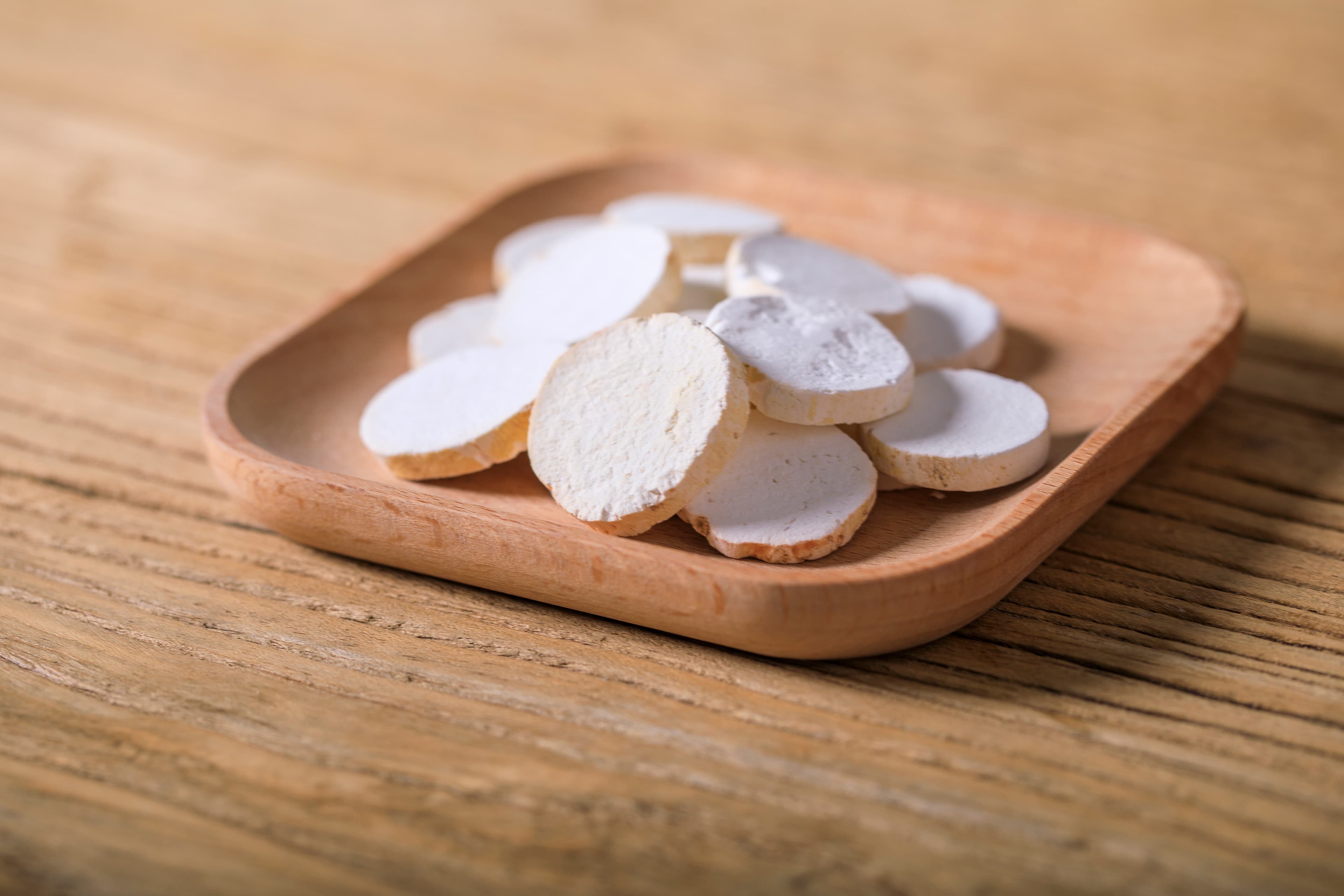 Chinese Yam(山药)→ Chinese Yam(山药)→ | 30g (about 5cm piece, fresh or dried) | Primary | The top food-herb for strengthening the Spleen and stomach. Chinese yam is gentle, non-drying, and suitable for long-term use to rebuild digestive energy. |
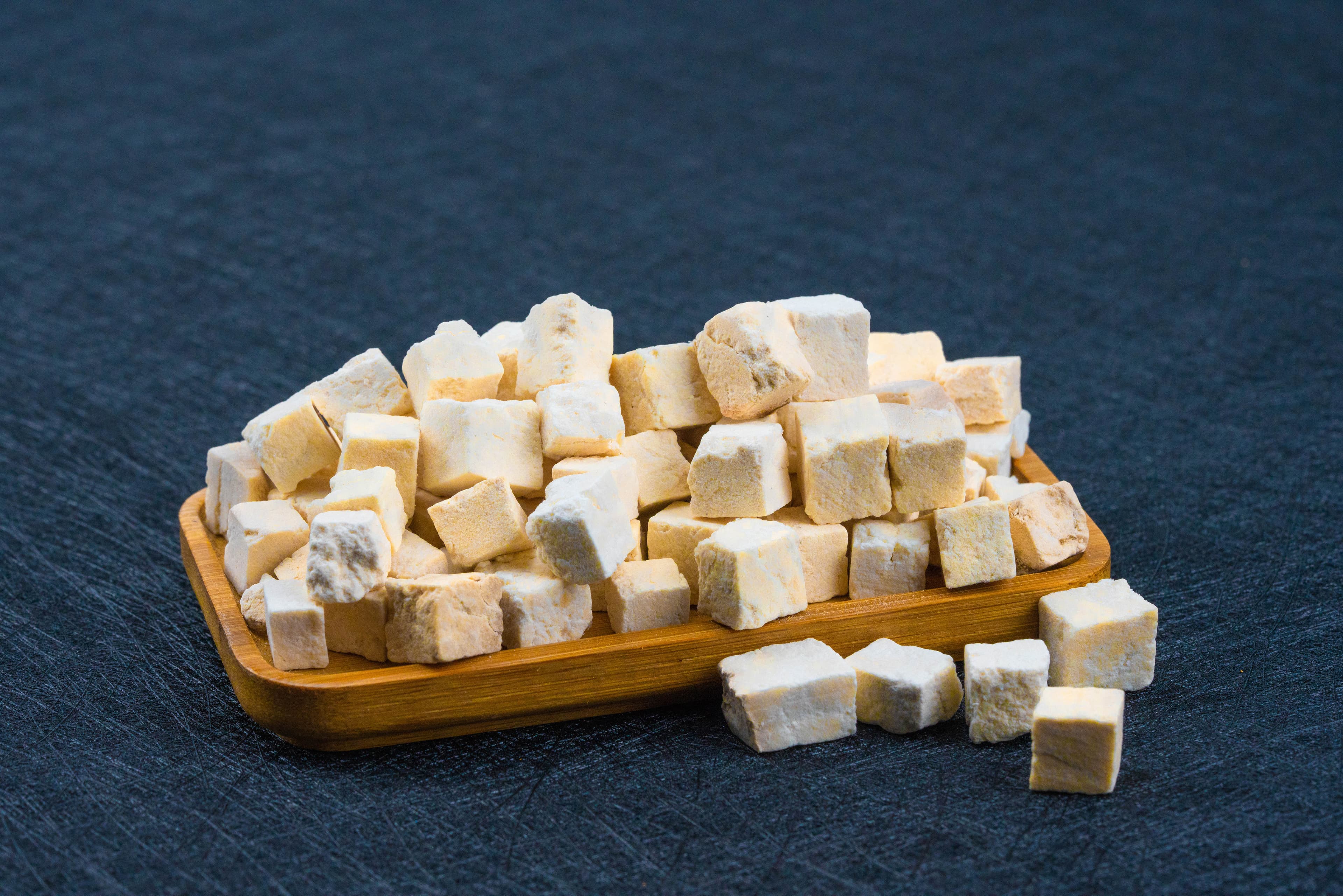 Poria(茯芲)→ Poria(茯芲)→ | 15g (about 4-5 small pieces) | Support | Drains dampness through urination while calming the mind. Poria helps remove the fluid accumulation that comes from weak digestion. |
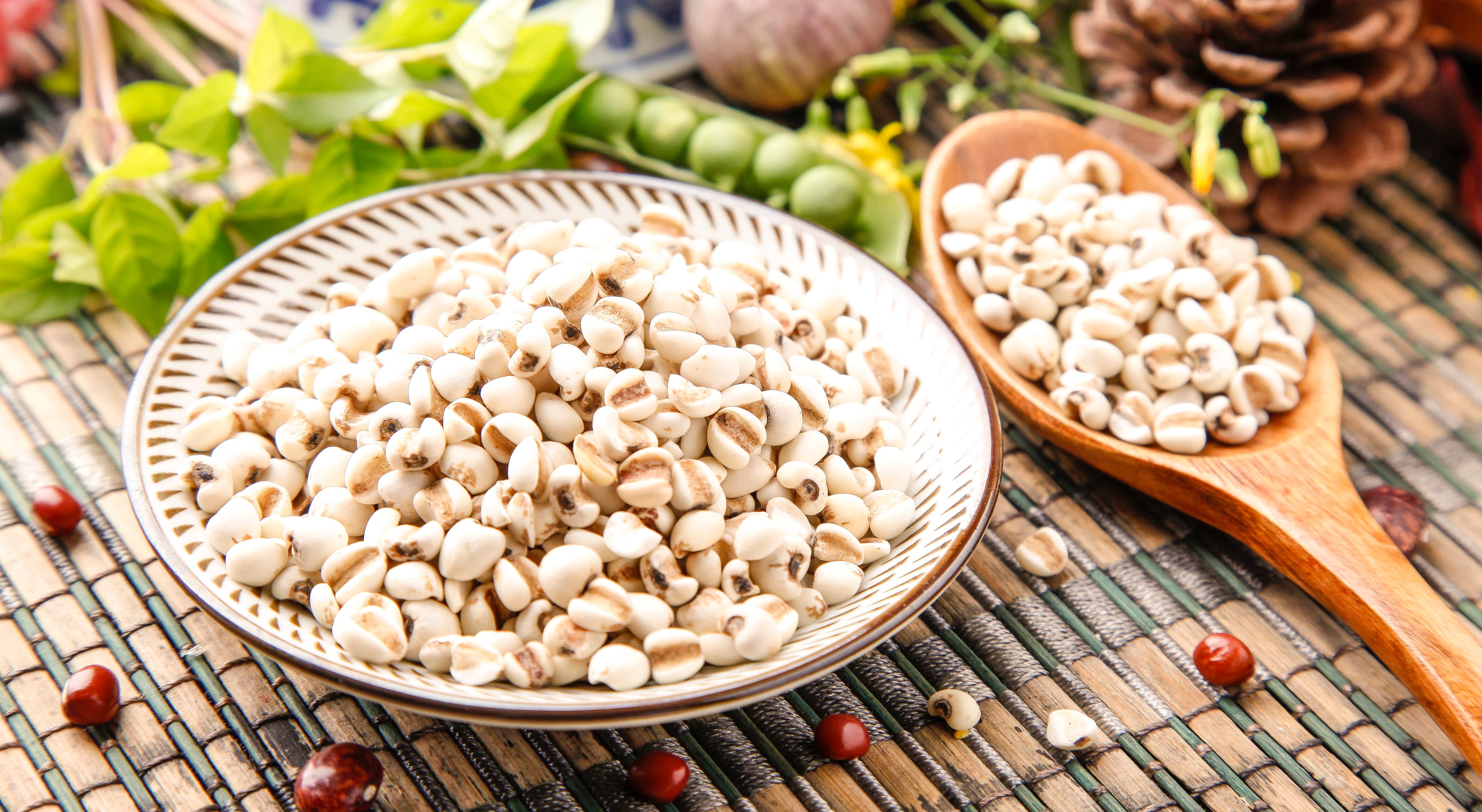 Coix Seed (Job's Tears)(薏薄仁)→ Coix Seed (Job's Tears)(薏薄仁)→ | 30g (about 3 tablespoons) | Support | Strengthens the Spleen and drains dampness. A staple grain in Chinese cooking that is both food and medicine for weak digestion. |
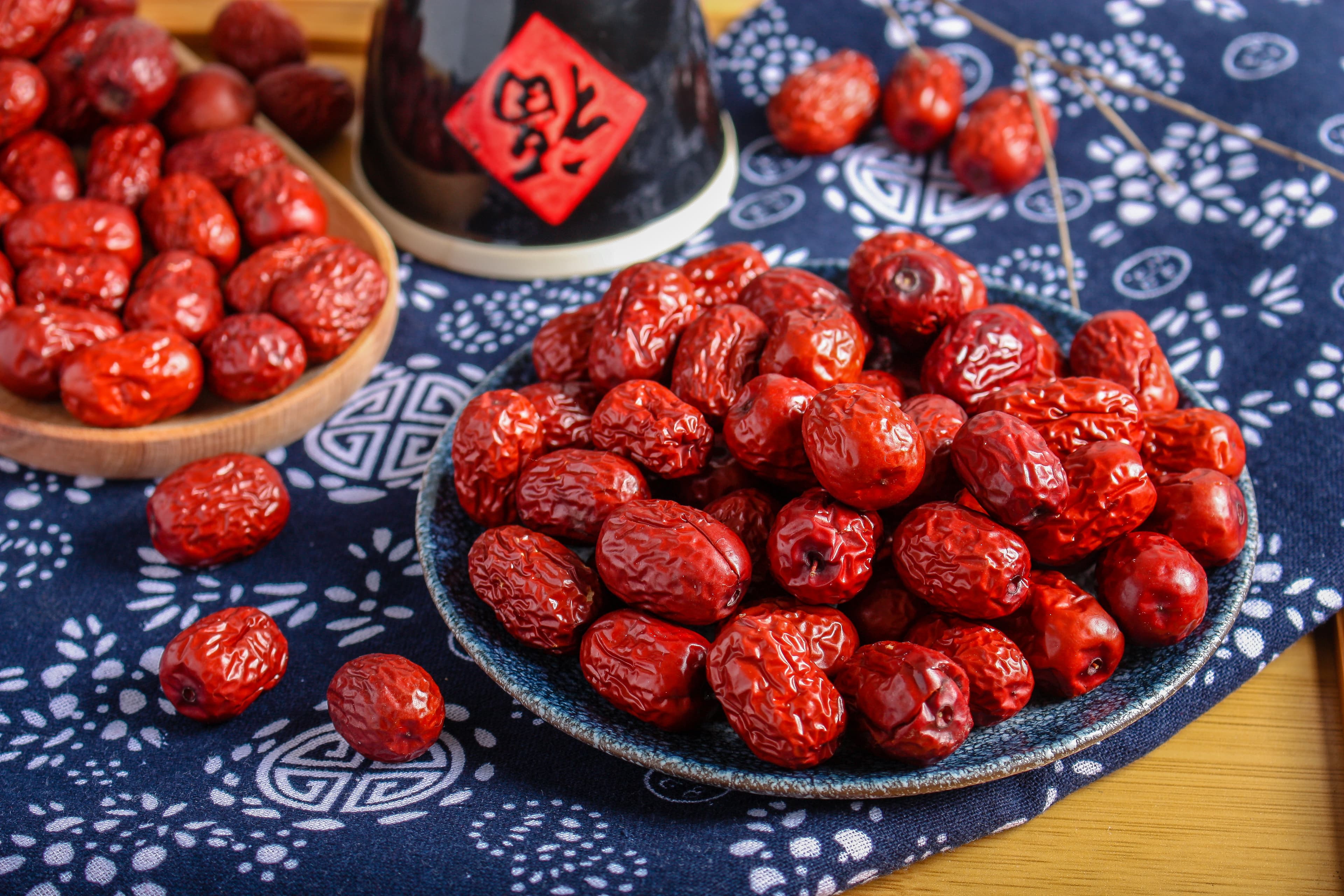 Red Dates (Jujube)(大枣)→ Red Dates (Jujube)(大枣)→ | 3 pieces, pitted | Harmony | Nourishes Blood and harmonizes the formula. Red dates add natural sweetness and support the Spleen's ability to produce Blood from food. |
How to Make It
- 1Soak coix seeds in water for 2 hours (or overnight for best results).
- 2If using fresh Chinese yam, peel and cut into small pieces. Wear gloves, as raw yam sap can irritate skin.
- 3Rinse poria and red dates under cool water.
- 4Place all ingredients in a pot with 800ml (3.5 cups) of water.
- 5Bring to a boil over medium-high heat (about 8 minutes).
- 6Reduce to low heat, cover, and simmer for 40 minutes until coix seeds and yam are soft.
- 7Remove red date pits if not done earlier. Serve warm as a light porridge.
How to Take
Eat one serving (about 400ml) warm, once daily. Best in the morning as a nourishing breakfast or as a light dinner replacement. Eating it warm is essential, as cold food weakens the Spleen.
How Long
Consume 4-5 times per week for up to 3 months. This is a gentle, nourishing formula that works slowly. Expect reduced bloating and steadier energy within the first 2 weeks. Deeper digestive improvement typically requires 4-6 weeks of consistent use.
Taste
Mild, slightly sweet, and comforting. The Chinese yam and red dates provide natural sweetness, while coix seeds have a pleasant, chewy texture. The poria is virtually tasteless, adding only a subtle earthy note.
Yield
2 servings | Prep time: 50 minutes (includes soaking)
Who Should Avoid This
- !Generally very safe for long-term use by most people.
- !If you experience increased urination, reduce to 3 times per week.
- !Not recommended during the first trimester of pregnancy due to traditional cautions about coix seed.
- !Best avoided during acute colds with chills and clear mucus.
- !If using fresh Chinese yam, wear gloves while peeling. Raw yam sap can cause skin irritation in some people.
Dendrobium & Ophiopogon Stomach Tea
石斛麦冬茶|Shi Hu Mai Dong Cha
Classical Source: Adapted from Yi Wei Tang (Benefit the Stomach Decoction) in Wen Bing Tiao Bian (1798)
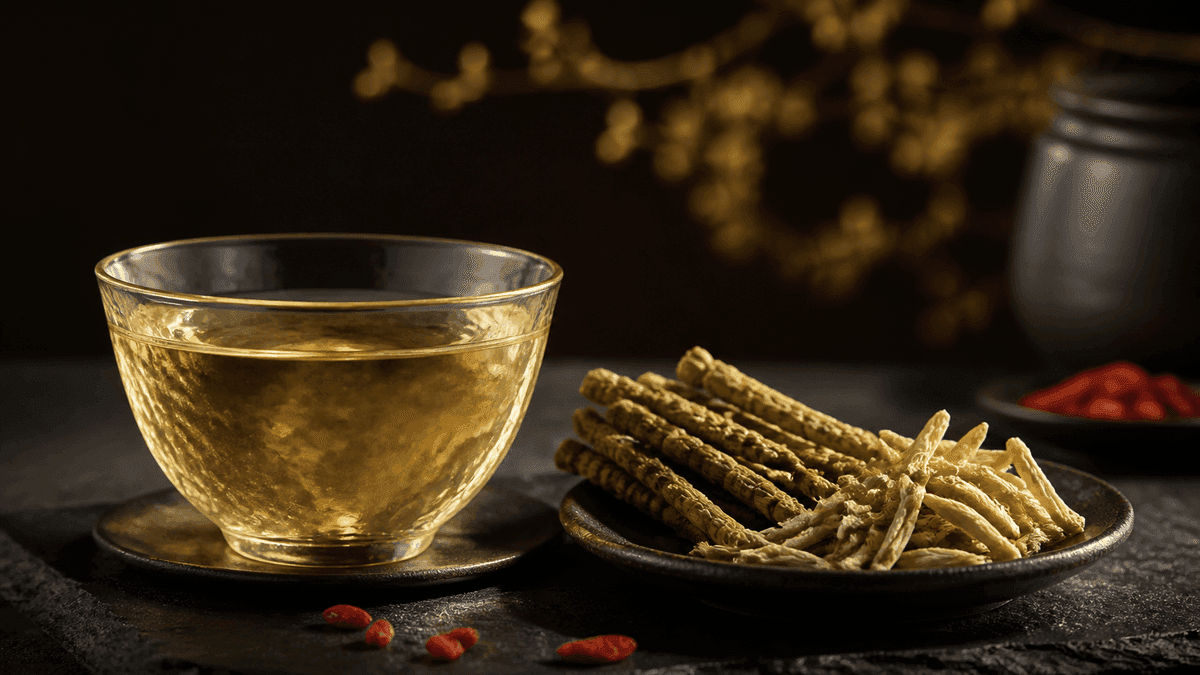
This cooling and moistening tea replenishes the Stomach's protective fluids. Dendrobium is the premier herb for nourishing Stomach Yin, while ophiopogon adds deep moistening. Goji berries provide gentle nourishment and natural sweetness. Together they restore the cooling moisture that protects the stomach lining.
Ingredients
| Ingredient | Amount | Role | Why This Herb |
|---|---|---|---|
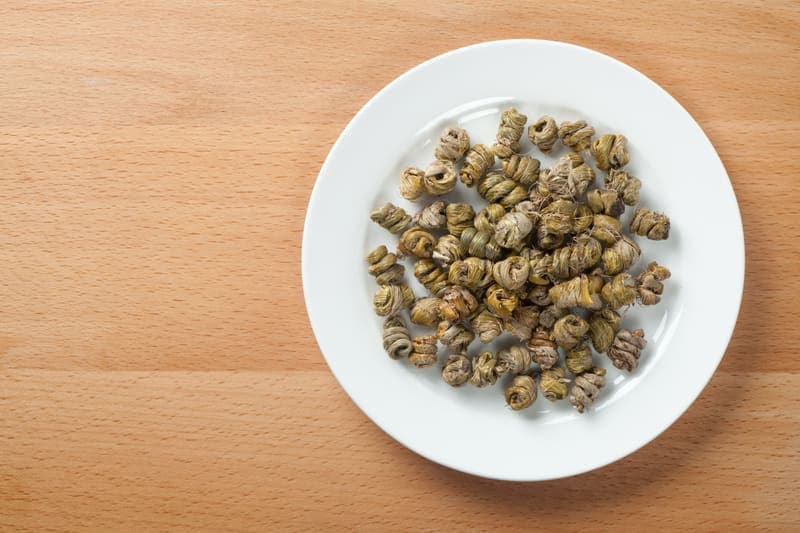 Dendrobium (Shi Hu)(石斛)→ Dendrobium (Shi Hu)(石斛)→ | 5g (about 3-4 small pieces) | Primary | The foremost herb for nourishing Stomach Yin in Chinese medicine. Dendrobium generates fluids and cools the stomach, helping restore the protective moisture lining. |
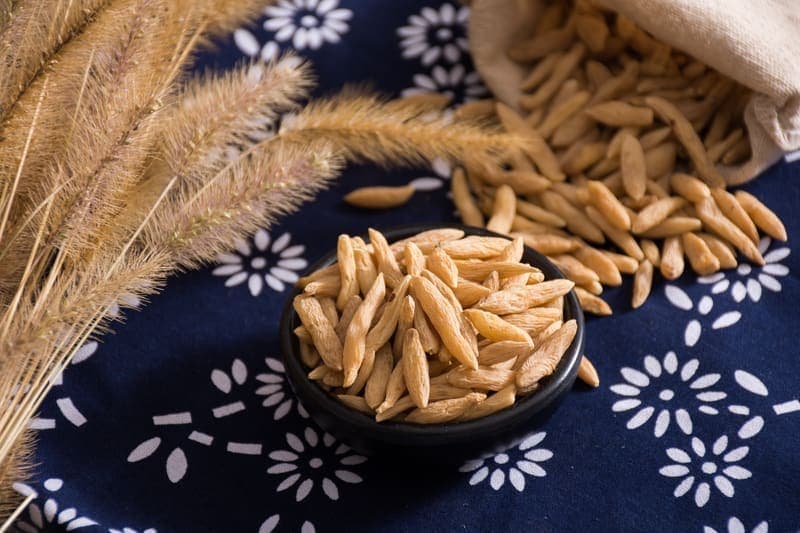 Ophiopogon (Mai Dong)(麦冬)→ Ophiopogon (Mai Dong)(麦冬)→ | 5g (about 8-10 small pieces) | Support | Nourishes Yin and generates fluids. Ophiopogon works alongside dendrobium to restore the body's cooling, moistening systems. |
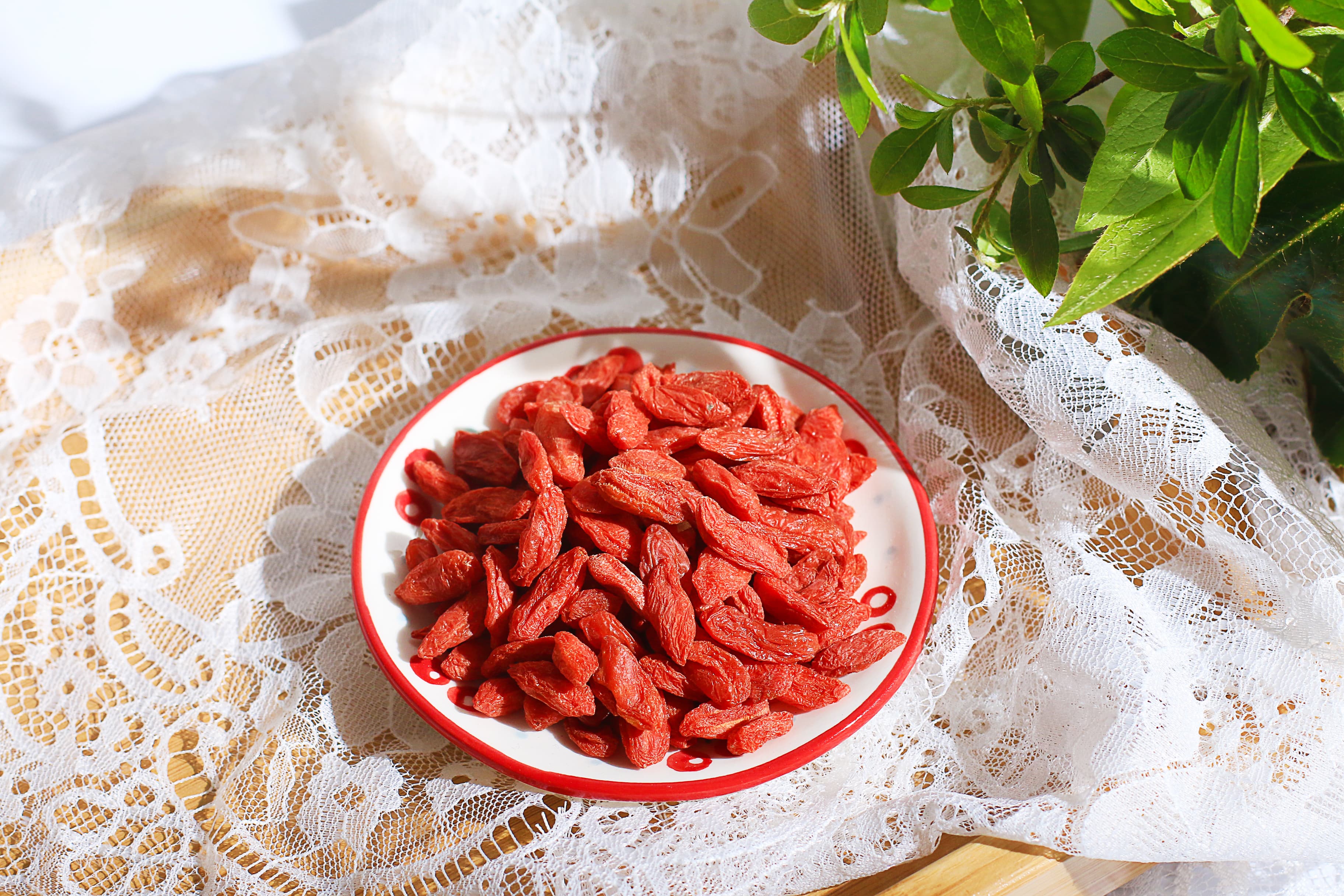 Goji Berries(构枞)→ Goji Berries(构枞)→ | 10 pieces | Harmony | Gently nourishes Liver and Kidney Yin while adding natural sweetness. Goji berries support the deeper Yin reserves that feed Stomach Yin. |
How to Make It
- 1Rinse all ingredients briefly under cool water.
- 2Place all ingredients in a teapot or heatproof glass.
- 3Pour 400ml (1.5 cups) of water that has just come off the boil over the ingredients.
- 4Cover and let steep for 10 minutes. Do not boil, as high heat reduces the delicate moistening properties.
- 5Strain and serve warm or at room temperature. The tea should be a clear, pale golden color.
How to Take
Drink one cup (200ml) warm or at room temperature, mid-morning or mid-afternoon. Avoid drinking it ice cold, as cold temperature can shock the stomach even if the herbs are cooling in nature.
How Long
Drink daily for 3 consecutive weeks, then pause for 1 week. Most people notice less dry mouth and reduced acid reflux within the first week. Deeper stomach Yin restoration typically requires 4-6 weeks of consistent use.
Taste
Light, clean, and slightly sweet with a cooling sensation. The dendrobium adds a subtle herbal note, the ophiopogon contributes a faint floral quality, and the goji berries provide a gentle sweetness.
Yield
400ml (1.5 cups) | Prep time: 15 minutes
Who Should Avoid This
- !Not suitable during acute colds with chills, as this formula is cooling in nature.
- !If you experience loose stools or digestive discomfort, reduce ophiopogon to half.
- !Avoid spicy, very hot, or drying foods while using this formula.
- !If you feel more cold or bloated after 3 days, discontinue. You may be Qi or Yang deficient rather than Yin deficient.
- !Not recommended for those with chronic loose stools or cold-type digestion.
Aged Tangerine Peel & Hawthorn Regulating Tea
陈皮山槐茶|Chen Pi Shan Zha Cha
Classical Source: Adapted from Chai Hu Shu Gan San (Bupleurum Liver-Soothing Powder) in Jing Yue Quan Shu (1624)
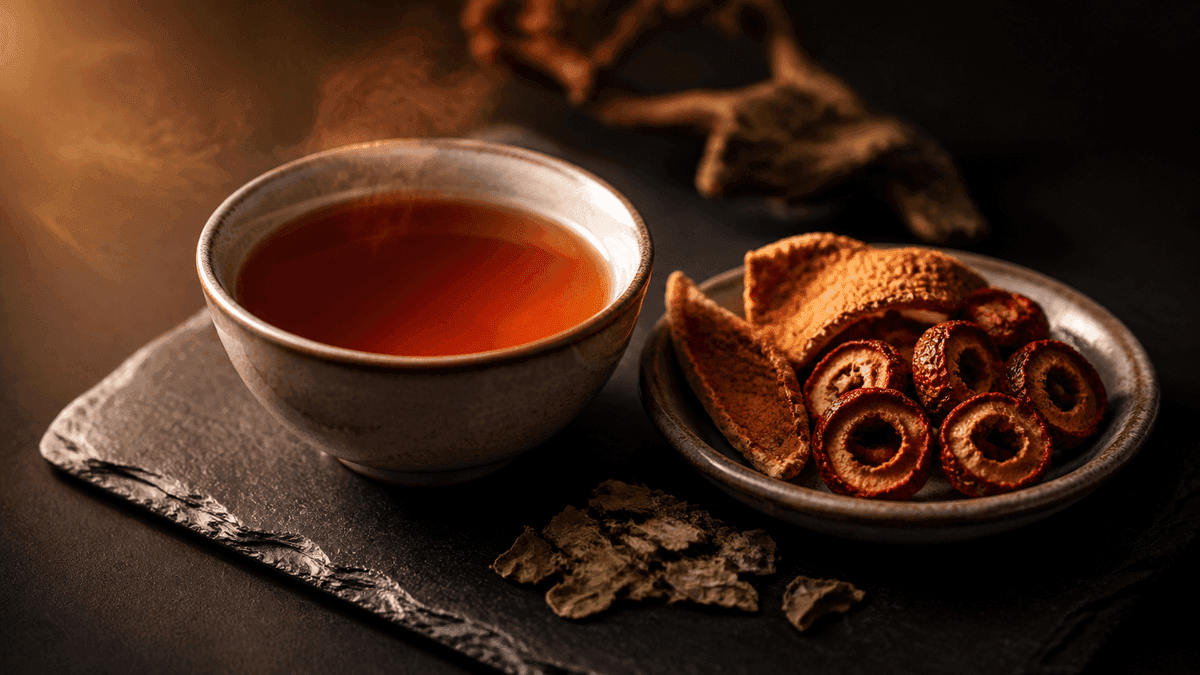
This tea releases stuck energy and helps food move through the digestive tract. Aged tangerine peel regulates Qi and prevents stagnation, hawthorn helps break down accumulated food, and the combination is especially effective when stress is causing your bloating and discomfort.
Ingredients
| Ingredient | Amount | Role | Why This Herb |
|---|---|---|---|
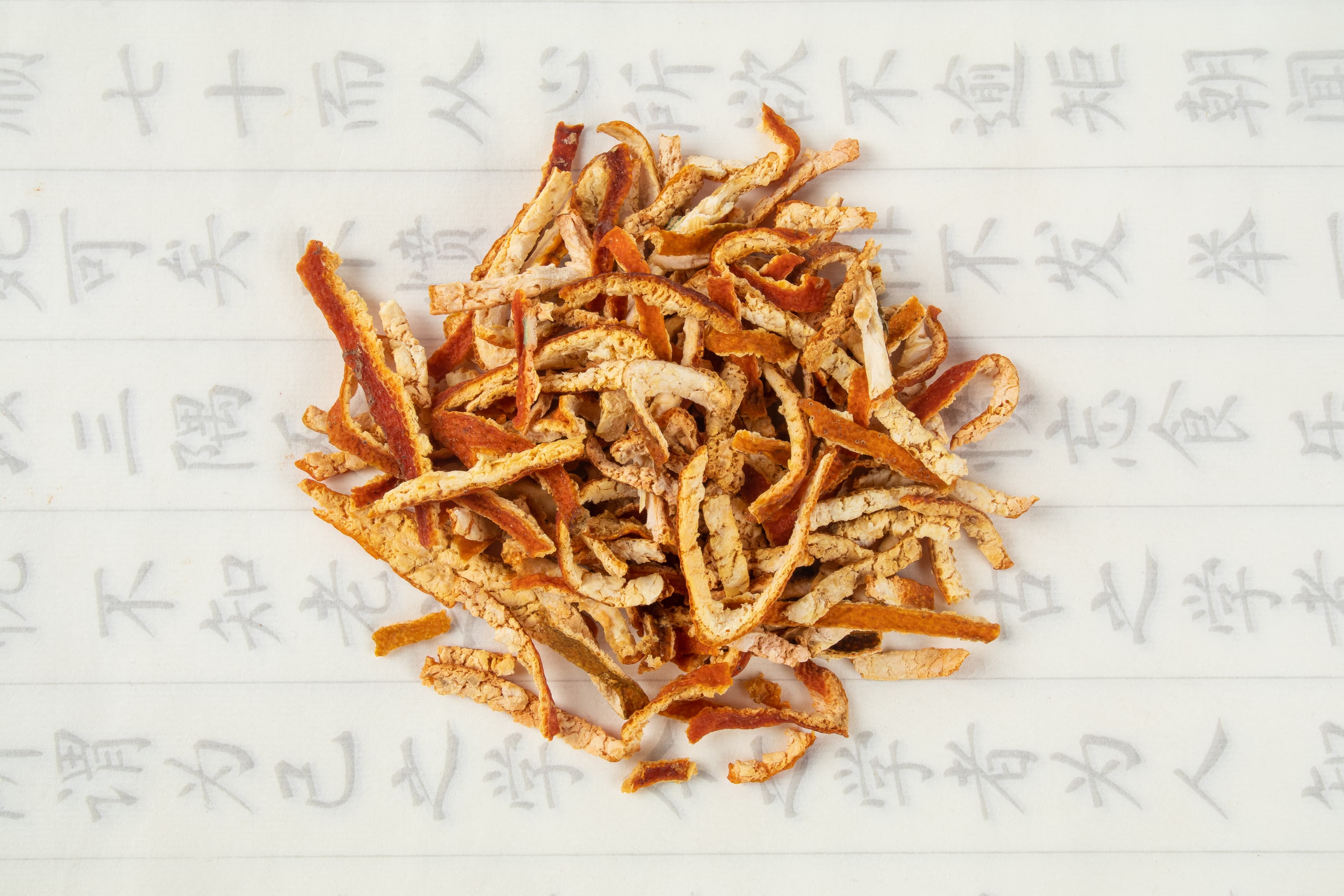 Aged Tangerine Peel(陈皮)→ Aged Tangerine Peel(陈皮)→ | 5g (about 2 small pieces) | Primary | The signature herb for regulating Qi and supporting digestion. Aged tangerine peel moves stuck energy in the digestive tract and prevents food from sitting and fermenting. |
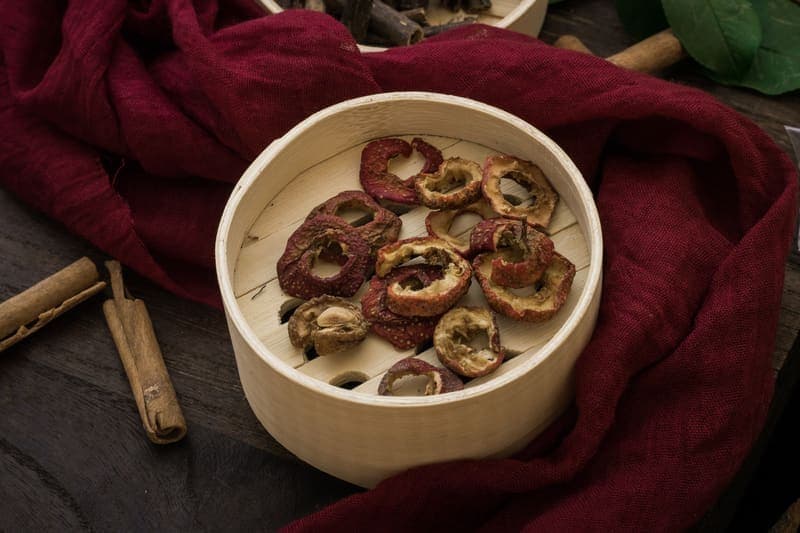 Hawthorn (Shan Zha)(山槐)→ Hawthorn (Shan Zha)(山槐)→ | 10g (about 8-10 dried berries) | Support | Helps digest fats and heavy foods. In TCM, hawthorn is the go-to herb for food stagnation, especially from meat and rich meals. |
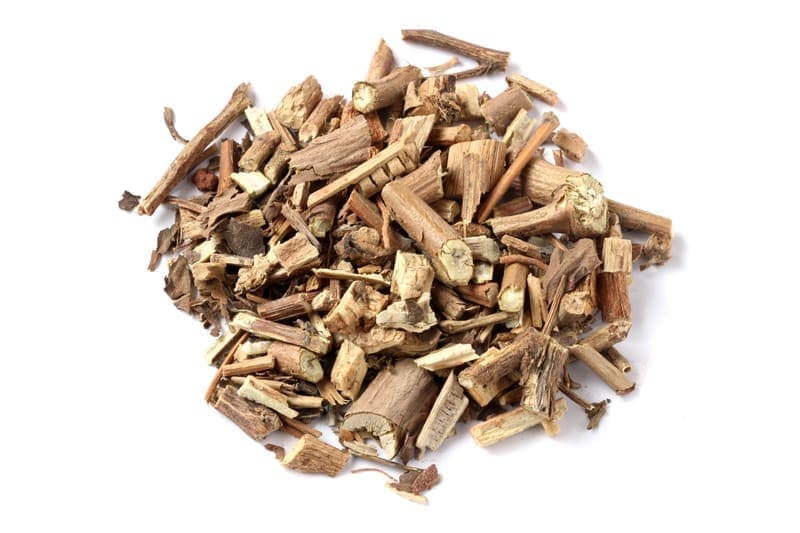 Patchouli (Guang Huo Xiang)(广藿香)→ Patchouli (Guang Huo Xiang)(广藿香)→ | 3g (about 1 small pinch) | Harmony | Transforms dampness and harmonizes the middle. Patchouli helps settle the stomach when stress has disrupted its normal rhythm. |
How to Make It
- 1Rinse all ingredients briefly under cool water.
- 2Place all ingredients in a small pot with 500ml (2 cups) of fresh water.
- 3Bring to a boil over medium heat (about 5 minutes).
- 4Reduce to low heat, cover, and simmer for 10 minutes.
- 5Turn off heat and let sit for 3 minutes.
- 6Strain into a cup. The tea should be a warm reddish-amber color with a citrus aroma.
How to Take
Drink one cup (250ml) warm, 20 to 30 minutes after meals. This timing helps the herbs work with your digestive cycle, moving food through before it can stagnate and ferment.
How Long
Drink daily for 2-3 weeks, then reassess. Many people find this tea helpful to keep on hand for heavy meals or stressful periods rather than drinking it continuously. If symptoms persist beyond 4 weeks of regular use, consult a qualified practitioner.
Taste
Warm citrus aroma with a tangy, slightly sour edge from the hawthorn. The tangerine peel adds a bright, refreshing note, while the patchouli contributes a subtle herbal depth. Comforting and settling.
Yield
500ml (2 cups) | Prep time: 20 minutes
Who Should Avoid This
- !Not suitable during pregnancy without consulting a healthcare provider. Hawthorn may stimulate uterine contractions.
- !Avoid if you have stomach ulcers or severe acid reflux. Hawthorn increases stomach acid.
- !If you experience loose stools, reduce hawthorn to half the amount.
- !Consult your doctor if you take blood-thinning medications. Hawthorn may enhance their effect.
- !This formula is regulating in nature. If you feel more tired after 3 days, switch to Formula 1 instead.
Which Formula Is Right for You?
Each formula targets a specific body type. Taking the 3-minute body type quiz is the fastest way to find your match and get personalized recommendations.
Take the Free Body Type Quiz >Frequently Asked Questions
Can these teas replace antacids or digestive enzymes?
These teas support your digestive system's natural function rather than overriding it. If you currently take prescription antacids or enzymes, do not stop abruptly. These teas can be used alongside your current regimen, and over time you may find you need less. For prescription medications, consult your doctor before making any changes.
Which formula should I start with?
It depends on your symptoms. If you feel bloated and tired after eating with loose stools, Formula 1 (Yam & Poria Porridge) strengthens the Spleen. If you have acid reflux, dry mouth, and feel hungry but full quickly, Formula 2 (Dendrobium & Ophiopogon Tea) nourishes Stomach Yin. If your bloating moves around and gets worse with stress, Formula 3 (Tangerine Peel & Hawthorn Tea) regulates stuck Qi. The most reliable way to choose is to take our free body type quiz.
Are these ingredients easy to find?
Most ingredients are food-grade items sold at Asian grocery stores and online. Chinese yam, coix seed, red dates, and goji berries are widely available. Dendrobium and ophiopogon may require a trip to a Chinese herbal shop or online TCM supplier. Aged tangerine peel (chenpi) and hawthorn are commonly found at Asian markets. None of these herbs require a prescription.
How long until my digestion improves?
Chinese medicine works gradually by rebuilding your digestive system's own strength. Most people notice less bloating and better energy within the first week. Meaningful changes in digestion quality typically require 3-4 weeks of consistent use. The goal is restoring your digestive function permanently, not masking symptoms temporarily.
Can I drink more than one formula at the same time?
You can, but it is usually not necessary. Each formula targets a specific digestive pattern. Using the one that matches your body type is more effective than combining all three. If your pattern is mixed or unclear, take the free body type quiz first to get a personalized recommendation.
This content is for educational and informational purposes only and is not medical advice. The herbal formulas described here use food-grade ingredients traditionally consumed in Chinese culture. Always consult a qualified healthcare professional before starting any herbal regimen, especially if you are pregnant, nursing, taking medications, or managing a health condition. Individual results may vary.