Chinese Medicine for Constipation: 3 Herbal Teas by Body Type
Chinese medicine sees constipation as three different problems, not one. Dry-type needs moisture, sluggish-type needs energy, and stress-type needs flow. Each requires a different herbal tea approach. Here are three food-grade formulas matched to the three body types most likely to struggle with constipation.

Quick Comparison: Which Formula for Which Type?
Not sure which formula to try? Start here.
| Formula | Best For | Key Herbs | Prep Time | Taste |
|---|---|---|---|---|
| Hemp Seed | Yin Deficient | Hemp Seed, Apricot Kernel, Ophiopogon, Honey | 25 min | Mildly nutty and slightly sweet from the honey |
| Cassia Seed | Qi Deficient | Cassia Seed, Goji Berries, Red Dates, Licorice Root | 20 min | Slightly nutty and naturally sweet from the jujube dates and goji berries |
| Tangerine Peel | Qi Stagnant | Aged Tangerine Peel, Apricot Kernel, Fennel Seed, Honey | 20 min | Citrusy and aromatic from the tangerine peel, with a warm spicy note from fennel |
Why Chinese Medicine Sees Weight Differently
Western medicine and Chinese medicine are not opposites. They look at the same body from different angles. Understanding both perspectives helps you make better choices for your body.
| Topic | Western Medicine | Chinese Medicine |
|---|---|---|
| Root cause of constipation | Low fiber intake, dehydration, or slow colonic transit time | Either intestines lack moisture (Yin Deficiency), lack energy to move (Qi Deficiency), or energy is stuck from stress (Qi Stagnation) |
| View of the bowel | A tube that moves waste through peristalsis | A system that needs moisture, energy, and smooth flow to function properly |
| Primary solution | More fiber, more water, sometimes laxatives or stool softeners | Moisten the intestines for dry-type, strengthen Qi for sluggish-type, move stuck energy for stress-type |
| Role of fiber | Essential for all types of constipation | Helps sluggish-type but can worsen dry-type if added without moisture. The approach depends on the pattern. |
Three Body Types That Commonly Struggle With Weight
In Chinese medicine, there is no universal weight loss formula. The right approach depends on your body type. Here are the three most common patterns:
TCM Perspective
Yin represents the cooling, moistening, and nourishing aspect of the body. When Yin is deficient, the intestines become dry. Stool becomes hard, dry, and pellet-like, like trying to slide something through a dried-out pipe. Adding more fiber without adding moisture only makes the blockage worse.
Plain English
The intestinal lining lacks sufficient mucus secretion and hydration at the tissue level. This is different from simply drinking more water, which passes through without adequately moistening the intestinal walls.
Common Signs
A Simple Analogy
Imagine a dried-out water slide. No matter how much you push from behind, nothing slides down smoothly. You need to add water to the slide first, not just push harder.
TCM Perspective
Qi is the energy that powers all bodily functions, including the intestinal muscles that move stool along. When Qi is deficient, the intestines lack the strength to push. The stool may be normal texture but infrequent, as if the system is running on low power.
Plain English
Intestinal peristalsis is weak and sluggish. The muscle tone of the colon is reduced, leading to slow transit time despite normal stool consistency.
Common Signs
A Simple Analogy
Think of a conveyor belt running on a weak motor. The items on the belt are fine, but the belt barely moves. You need to fix the motor, not add more items.
TCM Perspective
Qi Stagnation means energy that should flow smoothly gets stuck, often due to emotional stress, frustration, or suppressed emotions. The intestines work fine mechanically, but the control system that coordinates smooth digestion is jammed. Constipation comes and goes with emotional state.
Plain English
The gut-brain axis is disrupted by stress. Emotional tension causes the enteric nervous system to function irregularly, leading to inconsistent bowel patterns that correlate with stress levels.
Common Signs
A Simple Analogy
It is like a traffic jam caused by a broken traffic light, not by too many cars. The road is clear, but the control system is jammed. Fix the light and traffic flows again.
Hemp Seed & Apricot Kernel Tea
润肠丸(变方)|Run Chang Wan (modified)
Classical Source: Run Chang Wan from Standards of Pattern Diagnosis and Treatment, 1602 CE, by Wang Kentang
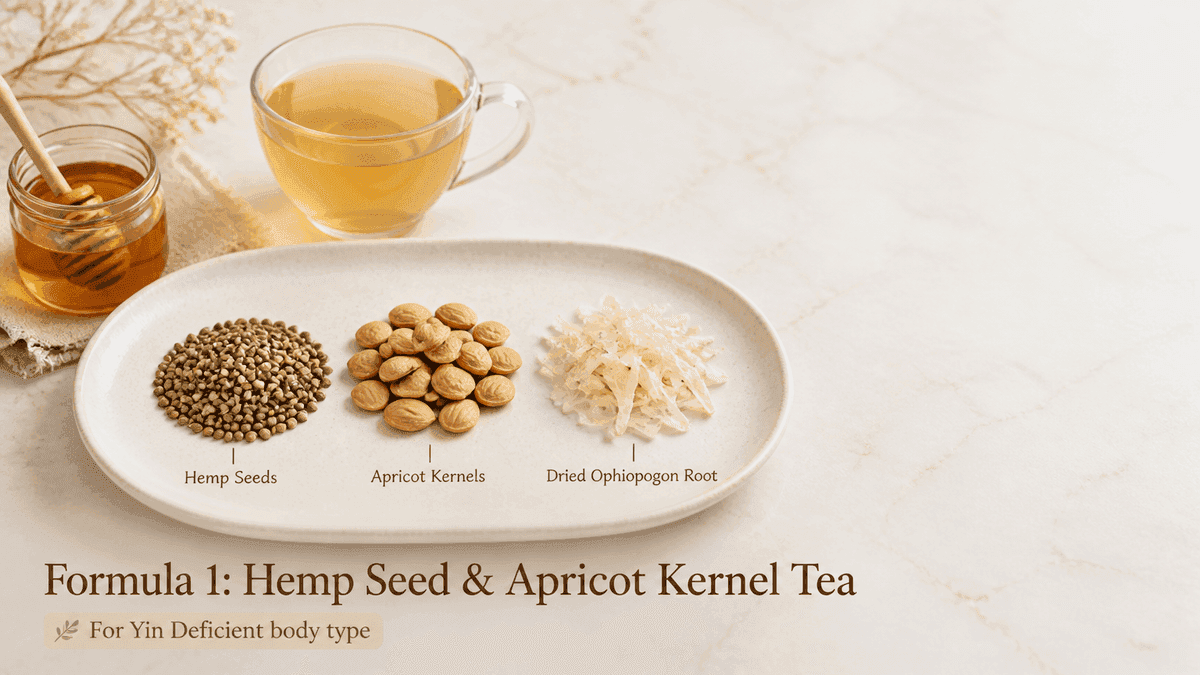
This formula moisturizes the intestines from within. Hemp seed is the classic TCM herb for moistening the bowel without harsh stimulation. Apricot kernel adds lubricating oils and helps the lungs send moisture downward to the intestines. Ophiopogon nourishes Yin to restore the body's natural moistening function.
Ingredients
| Ingredient | Amount | Role | Why This Herb |
|---|---|---|---|
| Hemp Seed(火麻仁) | 15g | Chief | The primary herb for moistening the intestines in TCM. Rich in oils that lubricate the bowel without causing dependency. |
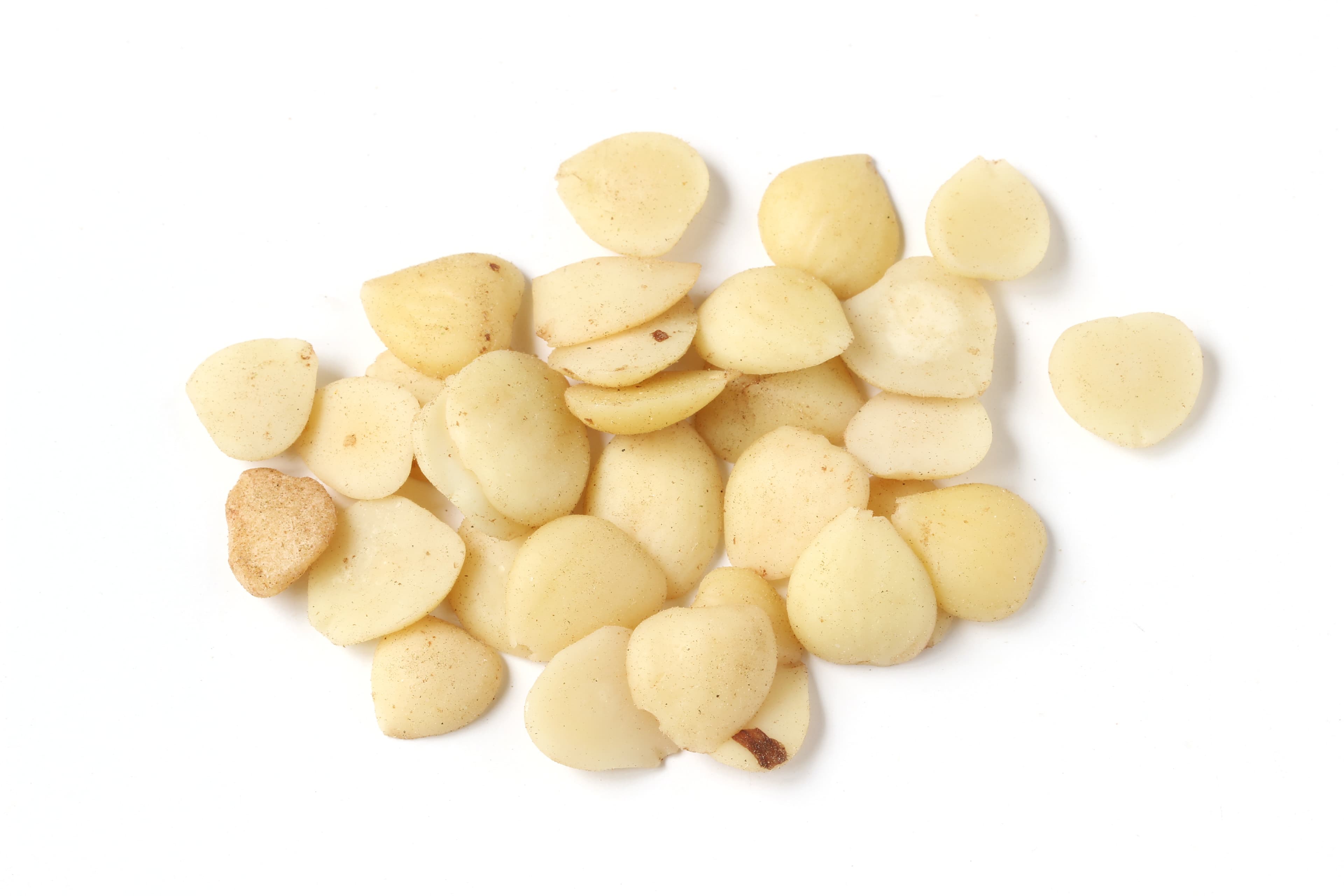 Apricot Kernel(杏仁)→ Apricot Kernel(杏仁)→ | 10g | Deputy | Lubricates the intestines and helps the Lungs send moisture downward. In TCM, the Lungs govern the upper source of body fluids that feed the intestines. |
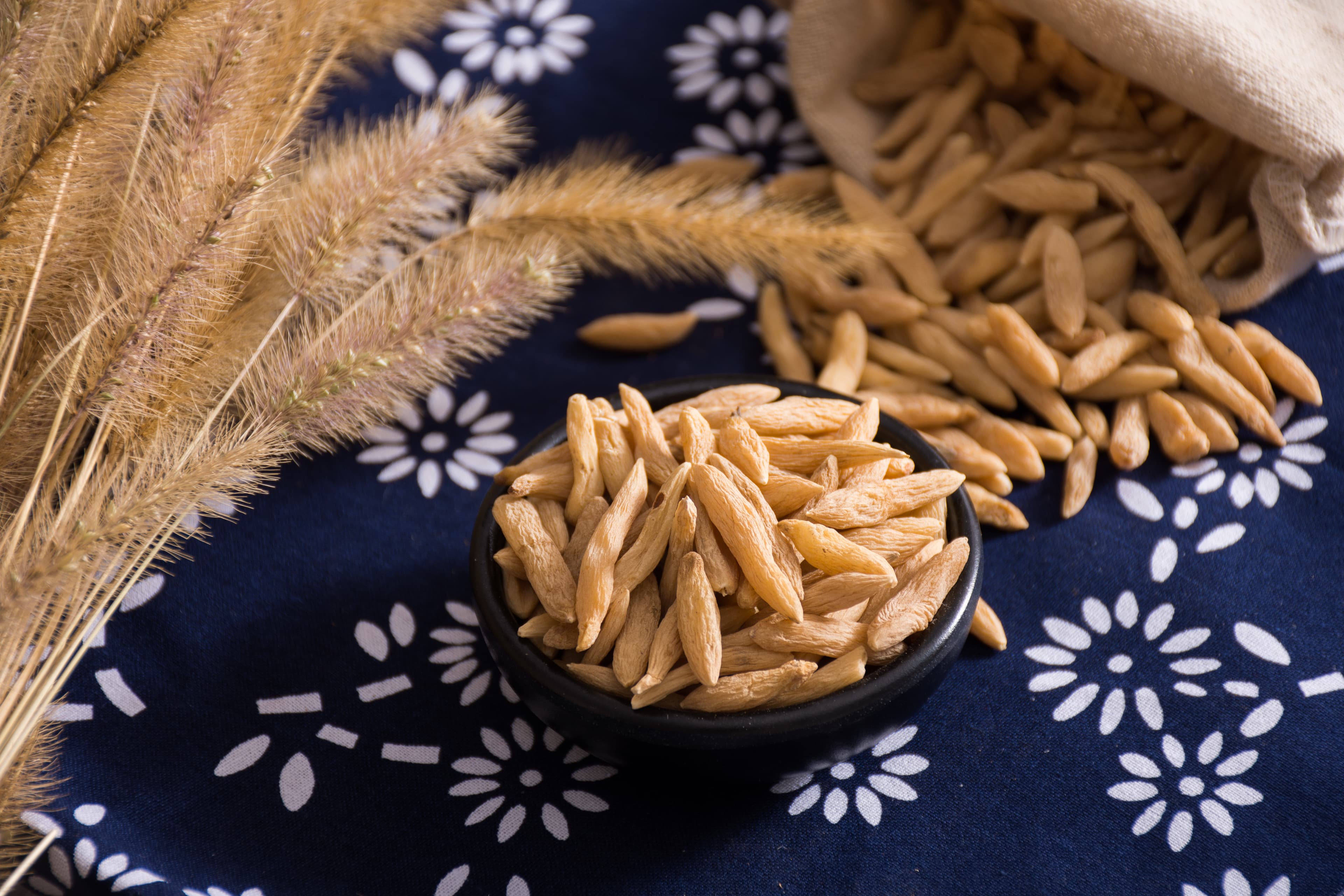 Ophiopogon(麦冬)→ Ophiopogon(麦冬)→ | 10g | Assistant | Nourishes Yin and generates fluids. Addresses the root cause of dryness rather than just lubricating temporarily. |
| Honey(蜂蜜) | 1 tablespoon | Messenger | Moistens the intestines and sweetens the tea. Honey is classified as a Yin-nourishing food in TCM and enhances the lubricating effect. |
How to Make It
- 1Rinse hemp seeds, apricot kernels, and ophiopogon under cool water.
- 2Place all herbs in a pot with 3 cups (700ml) of water.
- 3Bring to a boil over medium heat, then reduce to low and simmer for 20 minutes.
- 4Strain the tea into a cup and let it cool for 5 minutes.
- 5Stir in 1 tablespoon of honey and drink warm.
How to Take
Drink 1 cup in the morning on an empty stomach and 1 cup in the evening before bed. Best taken warm.
How Long
Drink daily for 1-2 weeks. Once bowel movements become regular, reduce to 2-3 times per week for maintenance.
Taste
Mildly nutty and slightly sweet from the honey. The hemp seeds give it a subtle earthy quality.
Yield
2 servings | Prep time: 25 min
Who Should Avoid This
- !Do not use if pregnant without consulting a practitioner. Apricot kernel is contraindicated in pregnancy.
- !Hemp seed (huo ma ren) is a food-grade herb and contains no psychoactive compounds. It is legal and safe for consumption.
- !If diarrhea occurs, reduce the dosage or discontinue use.
Cassia Seed & Jujube Tea
杞子润肠茶|Qi Zi Run Chang Cha
Classical Source: Adapted from Ma Zi Ren Wan from Treatise on Cold Damage, 200 CE, by Zhang Zhongjing
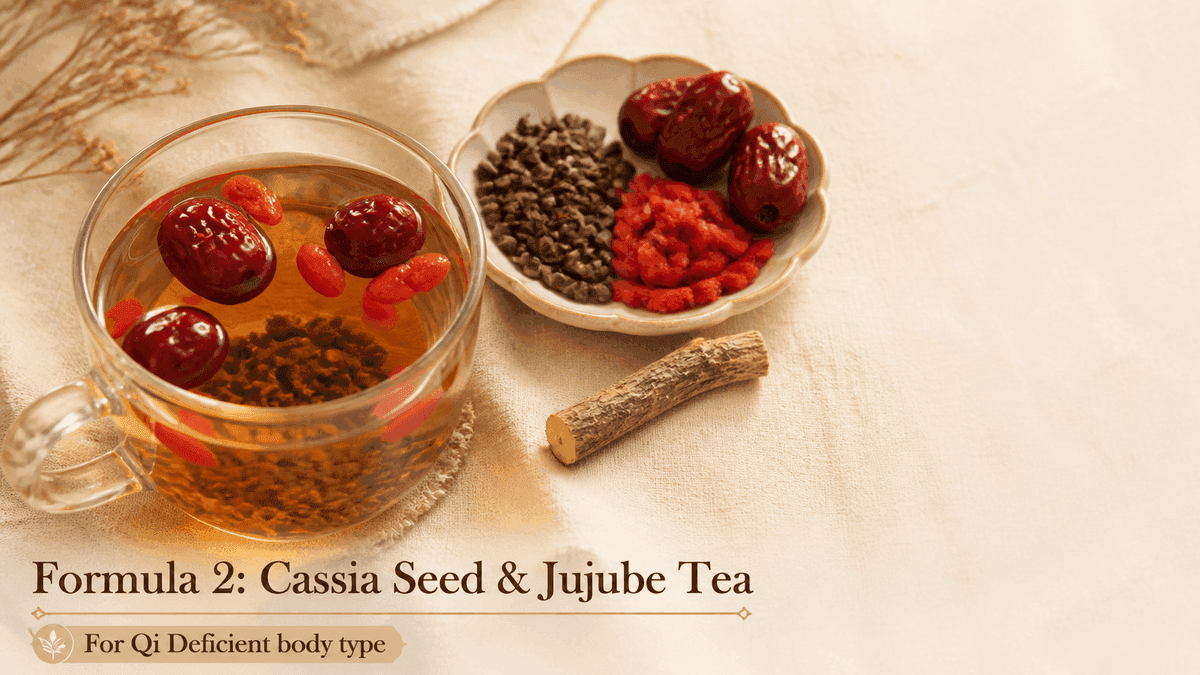
This formula strengthens the digestive system's energy while gently moistening the intestines. Cassia seed is a food-grade herb that supports bowel movement without harsh stimulation. Goji berries and jujube dates nourish Qi and Blood, giving the intestines the fuel they need to push effectively.
Ingredients
| Ingredient | Amount | Role | Why This Herb |
|---|---|---|---|
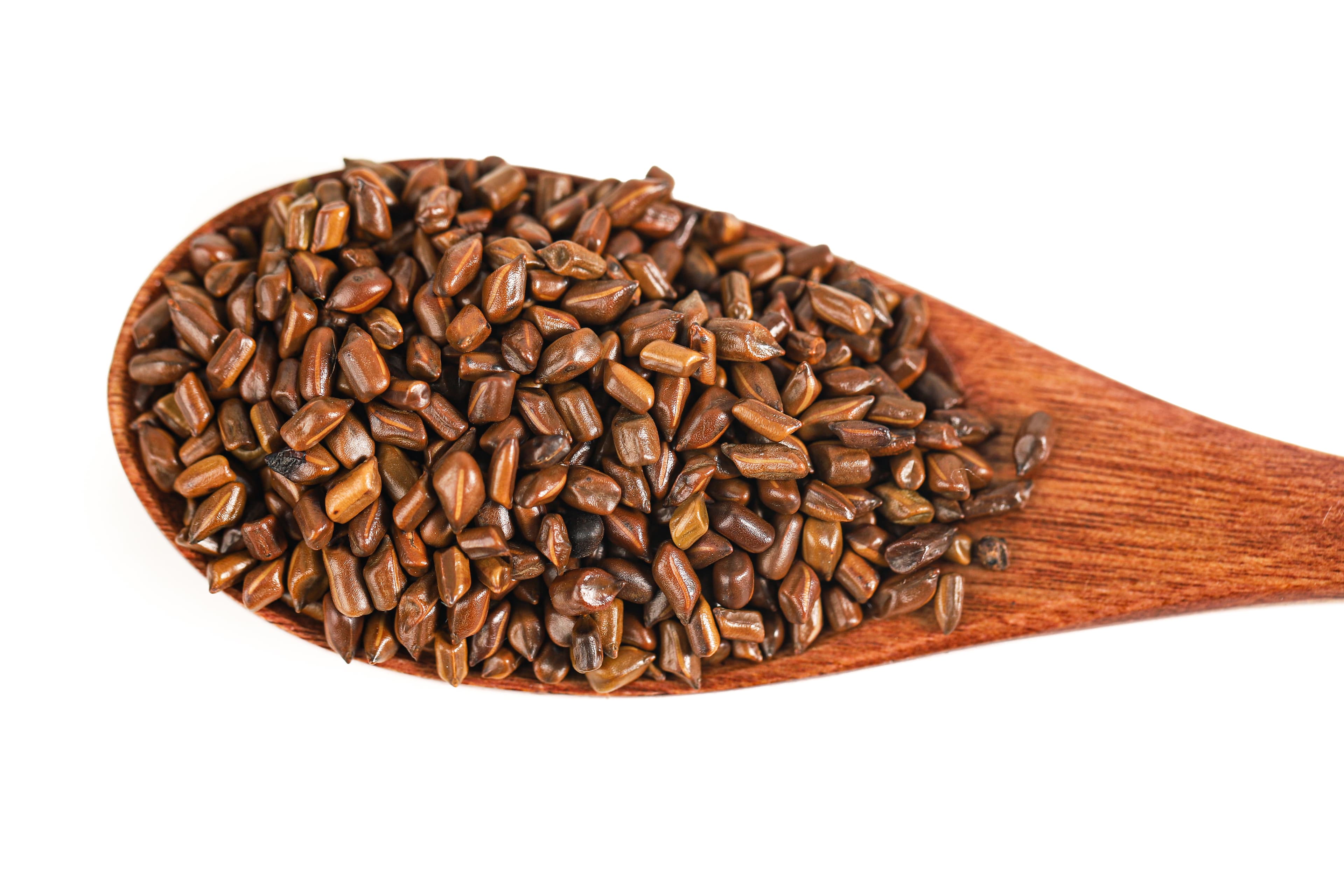 Cassia Seed(决明子)→ Cassia Seed(决明子)→ | 12g | Chief | Gently promotes bowel movement and supports liver function. A food-grade seed commonly used in Chinese households for regularity. |
| Goji Berries(枸杞子) | 10g | Deputy | Nourishes Blood and Yin, supporting the overall energy reserve that the digestive system draws from. |
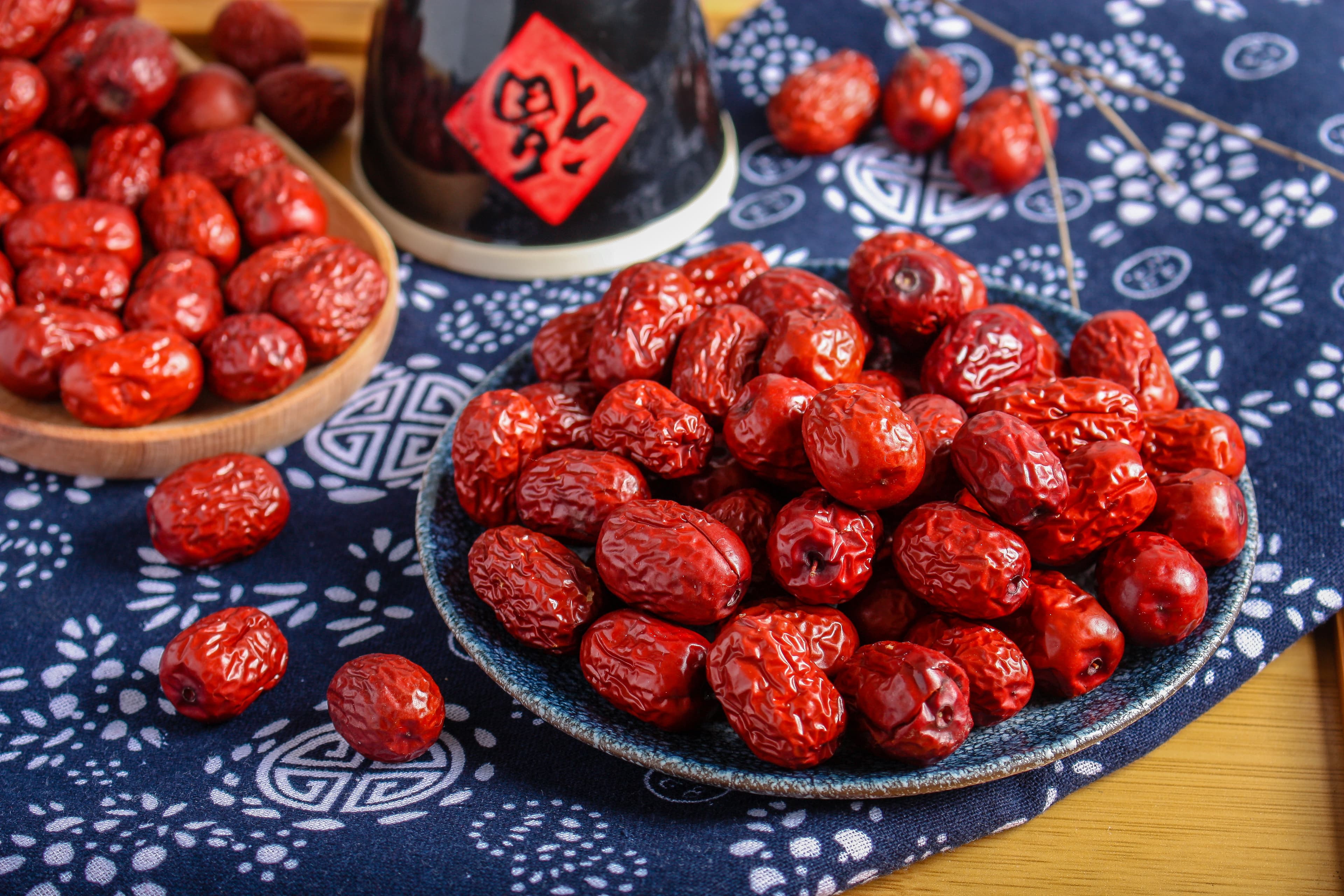 Red Dates (Jujube)(红枣)→ Red Dates (Jujube)(红枣)→ | 5 pieces | Deputy | Tonifies Spleen Qi and nourishes Blood. Gives the intestines the energy they need to function properly. |
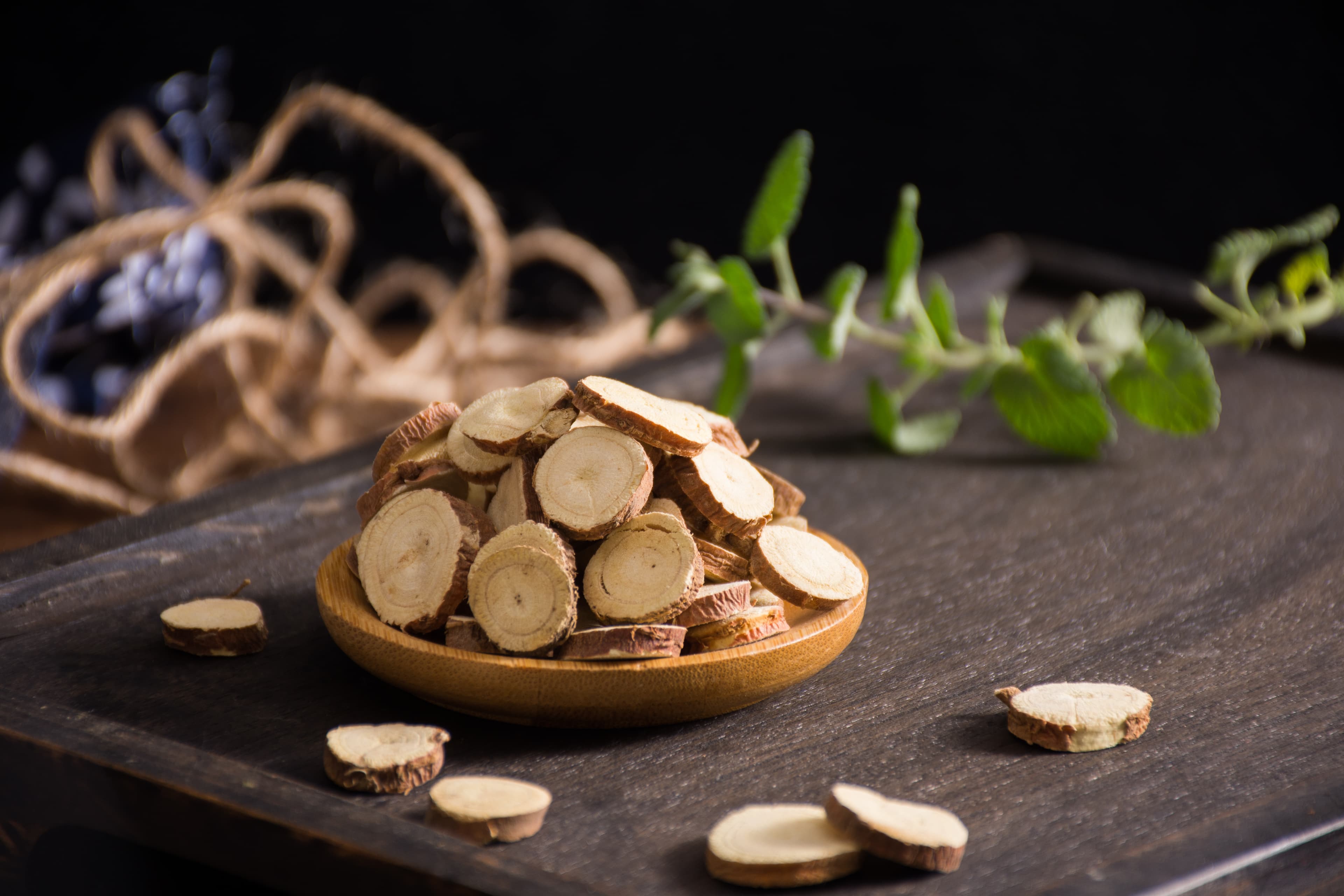 Licorice Root(甘草)→ Licorice Root(甘草)→ | 3g | Assistant | Harmonizes the formula and supports Spleen Qi. Adds natural sweetness without sugar. |
How to Make It
- 1Lightly roast cassia seeds in a dry pan over low heat for 2-3 minutes until fragrant.
- 2Rinse goji berries, jujube dates, and licorice root under cool water.
- 3Crack the jujube dates open with a knife to release their flavor.
- 4Place all ingredients in a pot with 3 cups (700ml) of water.
- 5Bring to a boil, then reduce to low and simmer for 15 minutes.
- 6Strain and drink warm. The goji berries and dates can be eaten.
How to Take
Drink 1 cup in the morning and 1 cup in the afternoon. Avoid taking it late in the evening as it may affect sleep.
How Long
Drink daily for 2 weeks. Once bowel movements are regular, reduce to every other day for maintenance.
Taste
Slightly nutty and naturally sweet from the jujube dates and goji berries. The roasted cassia seeds add a toasty aroma.
Yield
2 servings | Prep time: 20 min
Who Should Avoid This
- !Cassia seed may lower blood pressure. If you have low blood pressure, use half the amount.
- !Do not use during pregnancy without consulting a practitioner.
- !This formula is gentle and non-habit forming, unlike stimulant laxatives.
Tangerine Peel & Apricot Kernel Tea
六磨汤(变方)|Liu Mo Tang (modified)
Classical Source: Adapted from Liu Mo Tang from Golden Mirror of Medicine, 1742 CE, compiled by Wu Qian
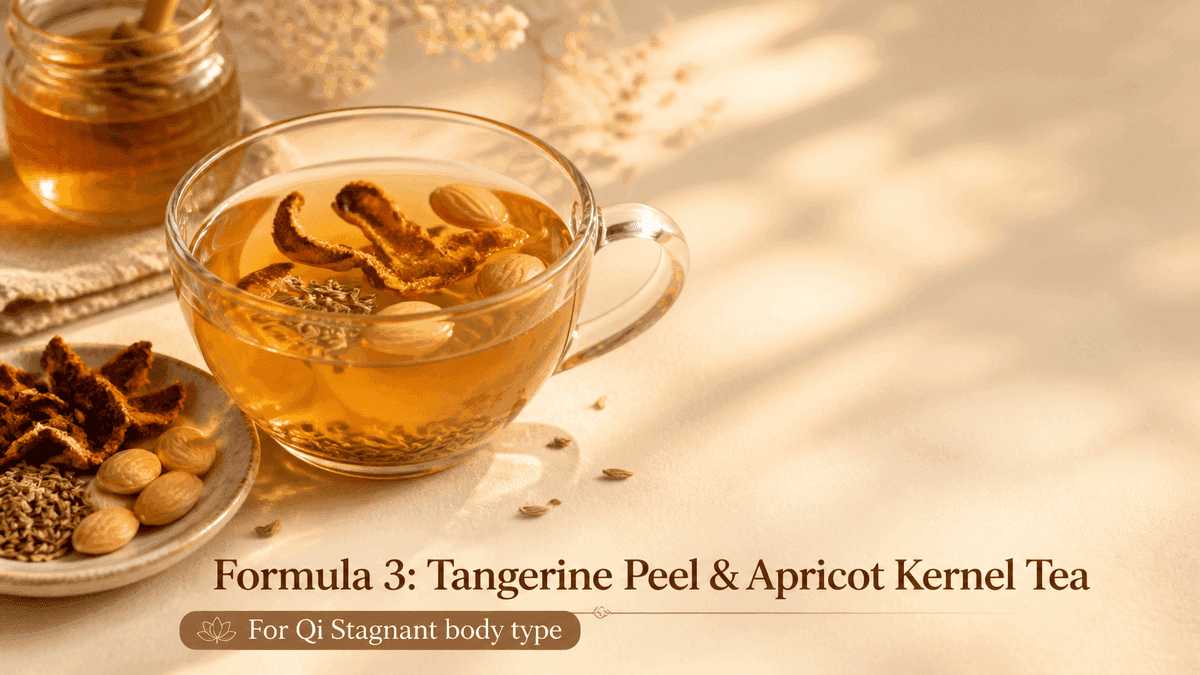
This formula moves stuck energy and promotes smooth bowel flow. Aged tangerine peel (chenpi) is the classic herb for moving Qi in the digestive system. Apricot kernel lubricates the intestines while fennel warms and relaxes the abdominal muscles. Together they address the stress-related constipation that comes and goes with emotional tension.
Ingredients
| Ingredient | Amount | Role | Why This Herb |
|---|---|---|---|
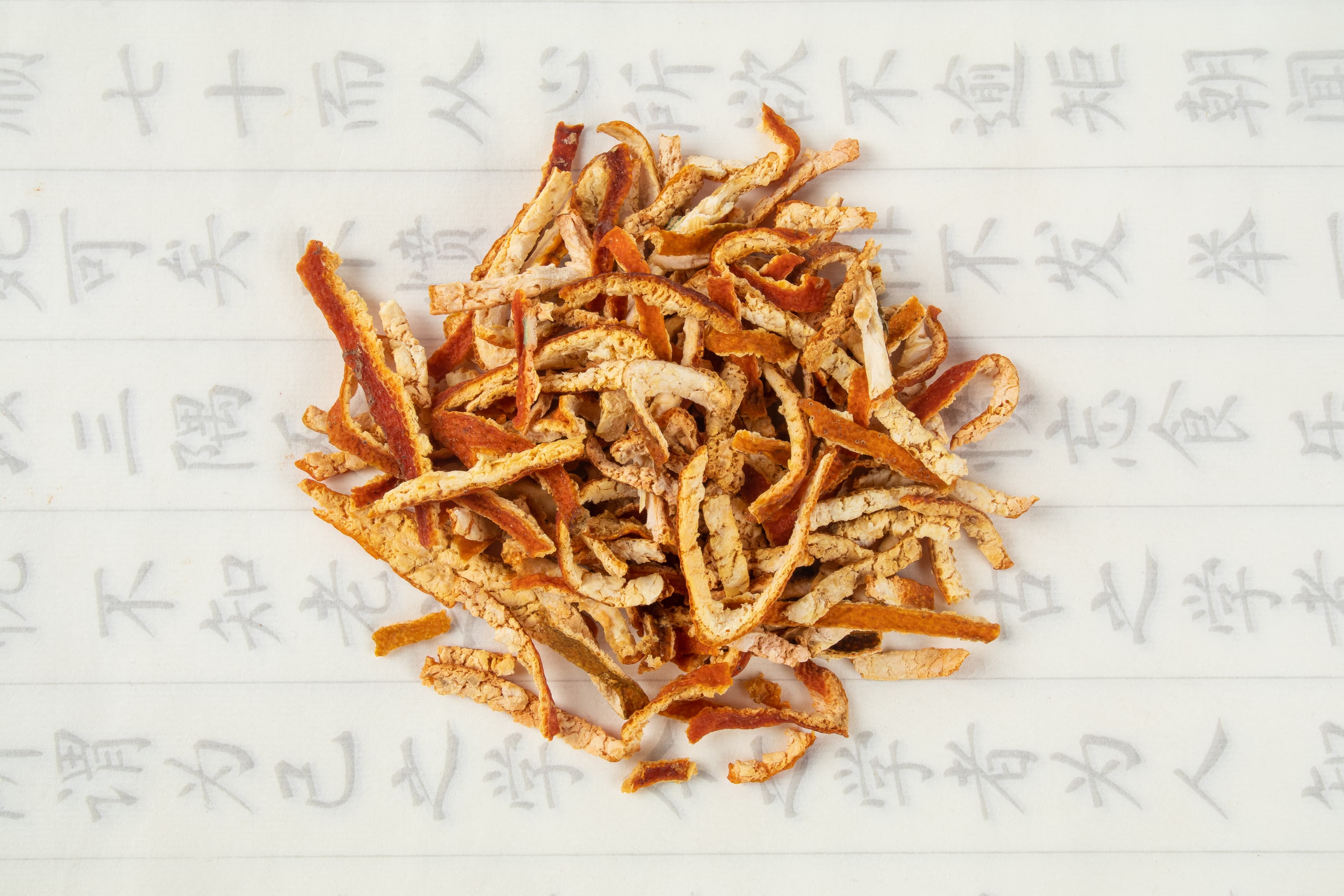 Aged Tangerine Peel(陈皮)→ Aged Tangerine Peel(陈皮)→ | 6g | Chief | Moves Qi and resolves stagnation in the digestive system. The aging process enhances its ability to regulate energy flow. |
| Apricot Kernel(杏仁)→ | 10g | Deputy | Lubricates the intestines and helps Qi descend downward. In TCM, the Lungs and Large Intestine are paired organs, so supporting the Lungs helps the bowel. |
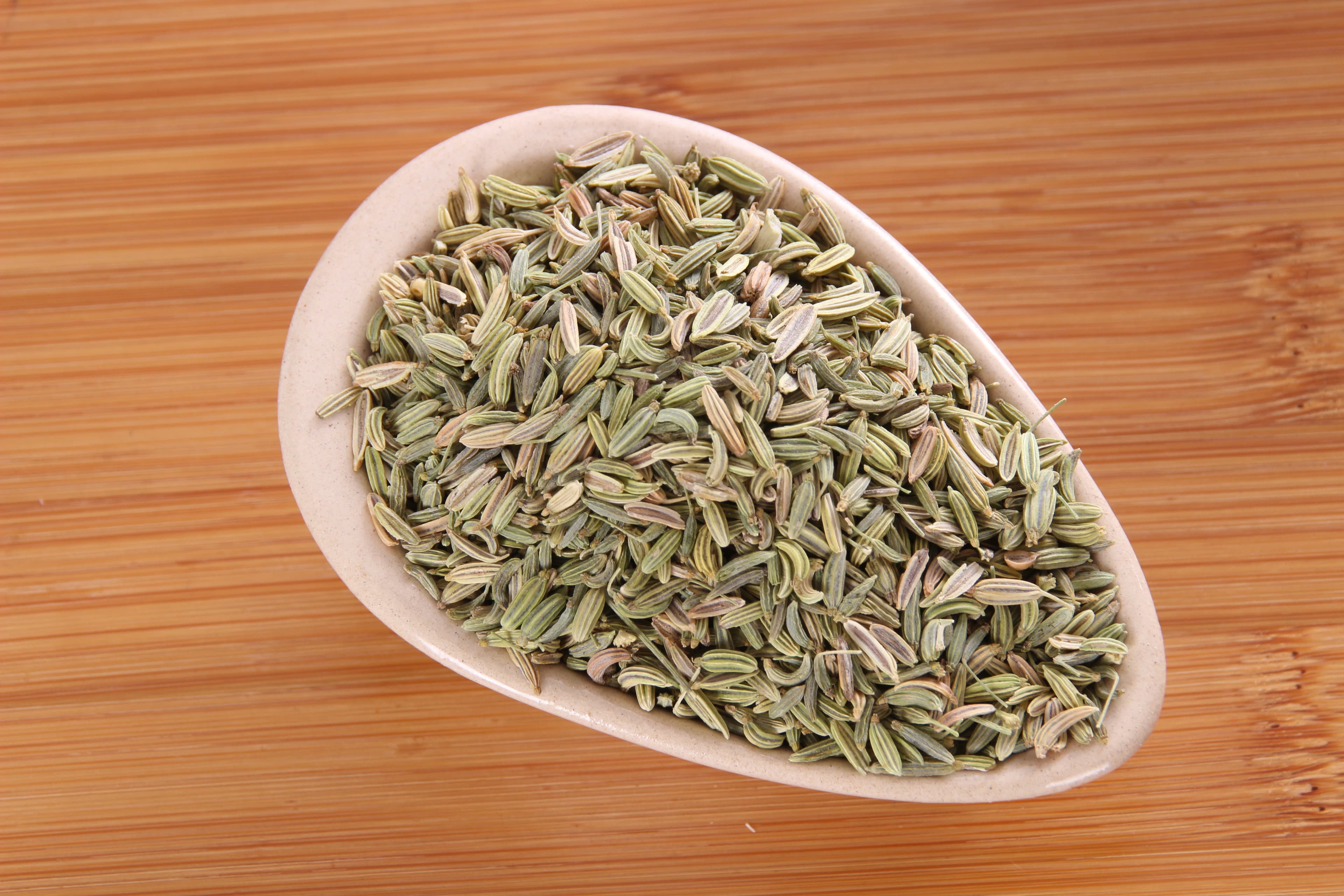 Fennel Seed(小茴香)→ Fennel Seed(小茴香)→ | 5g | Assistant | Warms and moves Qi in the abdomen, relieving the cramping and fullness that come with stress-related constipation. |
| Honey(蜂蜜) | 1 teaspoon | Messenger | Moistens the intestines and harmonizes the warming herbs. Also helps the Qi-moving herbs work more smoothly. |
How to Make It
- 1Rinse all herbs under cool water.
- 2Place tangerine peel, apricot kernels, and fennel seeds in a pot with 2.5 cups (600ml) of water.
- 3Bring to a boil over medium heat, then reduce to low and simmer for 15 minutes.
- 4Strain into a cup and let cool for 5 minutes.
- 5Stir in 1 teaspoon of honey and drink warm.
How to Take
Drink 1 cup when you feel bloated or stressed, ideally in the afternoon or evening. Can also be taken preventively during stressful periods.
How Long
Drink as needed during stressful periods. For chronic stress-related constipation, drink daily for 1-2 weeks, then reduce to 2-3 times per week.
Taste
Citrusy and aromatic from the tangerine peel, with a warm spicy note from fennel. The honey rounds out the flavor.
Yield
2 servings | Prep time: 20 min
Who Should Avoid This
- !Do not use during pregnancy without consulting a practitioner. Apricot kernel is contraindicated in pregnancy.
- !If you have a dry-type constipation (hard, dry pellets), this formula may not be moistening enough. Consider Formula 1 instead.
- !This formula works best when combined with stress management practices like walking, stretching, or deep breathing.
Which Formula Is Right for You?
Each formula targets a specific body type. Taking the 3-minute body type quiz is the fastest way to find your match and get personalized recommendations.
Take the Free Body Type Quiz >Frequently Asked Questions
Can these teas replace laxatives?
These teas work differently from laxatives. Laxatives force the bowel to empty, while these teas address the underlying pattern causing constipation. If you currently depend on laxatives, do not stop abruptly. These teas can be used alongside your current regimen, and over time you may find you need less. For prescription medications, consult your doctor before making changes.
Which formula should I start with?
It depends on your stool type and symptoms. If your stool is hard and dry like pellets, Formula 1 (Hemp Seed & Apricot Kernel) moisturizes the intestines. If your stool is normal texture but infrequent and you feel tired, Formula 2 (Cassia Seed & Jujube) strengthens Qi. If your constipation comes and goes with stress and you feel bloated, Formula 3 (Tangerine Peel & Apricot Kernel) moves stuck energy. The most reliable way to choose is to take our free body type quiz.
Are these ingredients easy to find?
Most ingredients are food-grade items available at Asian grocery stores and online. Cassia seeds, goji berries, red dates, and aged tangerine peel are very common. Hemp seeds (huo ma ren) and apricot kernels can be found at Chinese herbal shops or online TCM suppliers. None of these require a prescription.
How long until I see results?
For dry-type constipation, many people notice easier bowel movements within 2-3 days of starting Formula 1. For Qi Deficient constipation, Formula 2 typically takes 3-5 days to show results as it builds energy gradually. For stress-related constipation, Formula 3 often works within a few hours of drinking it, but the long-term pattern requires consistent use over 1-2 weeks.
Can I drink more than one formula at the same time?
You can, but it is usually not necessary. Each formula targets a specific pattern. Using the one that matches your body type is more effective than combining all three. If your pattern is mixed or unclear, take the free body type quiz first to get a personalized recommendation.
This content is for educational and informational purposes only and is not medical advice. The herbal formulas described here use food-grade ingredients traditionally consumed in Chinese culture. Always consult a qualified healthcare professional before starting any herbal regimen, especially if you are pregnant, nursing, taking medications, or managing a health condition. Individual results may vary.