Chinese Medicine for Anxiety: 3 Calming Herbal Teas by Body Type
Chinese medicine does not see anxiety as a disorder of the brain alone. It sees it as a signal that the body's internal flow is stuck, overheating, or too depleted to anchor the mind. Three common body types may experience anxiety for completely different reasons, and each responds to a different herbal approach.
Quick Answer
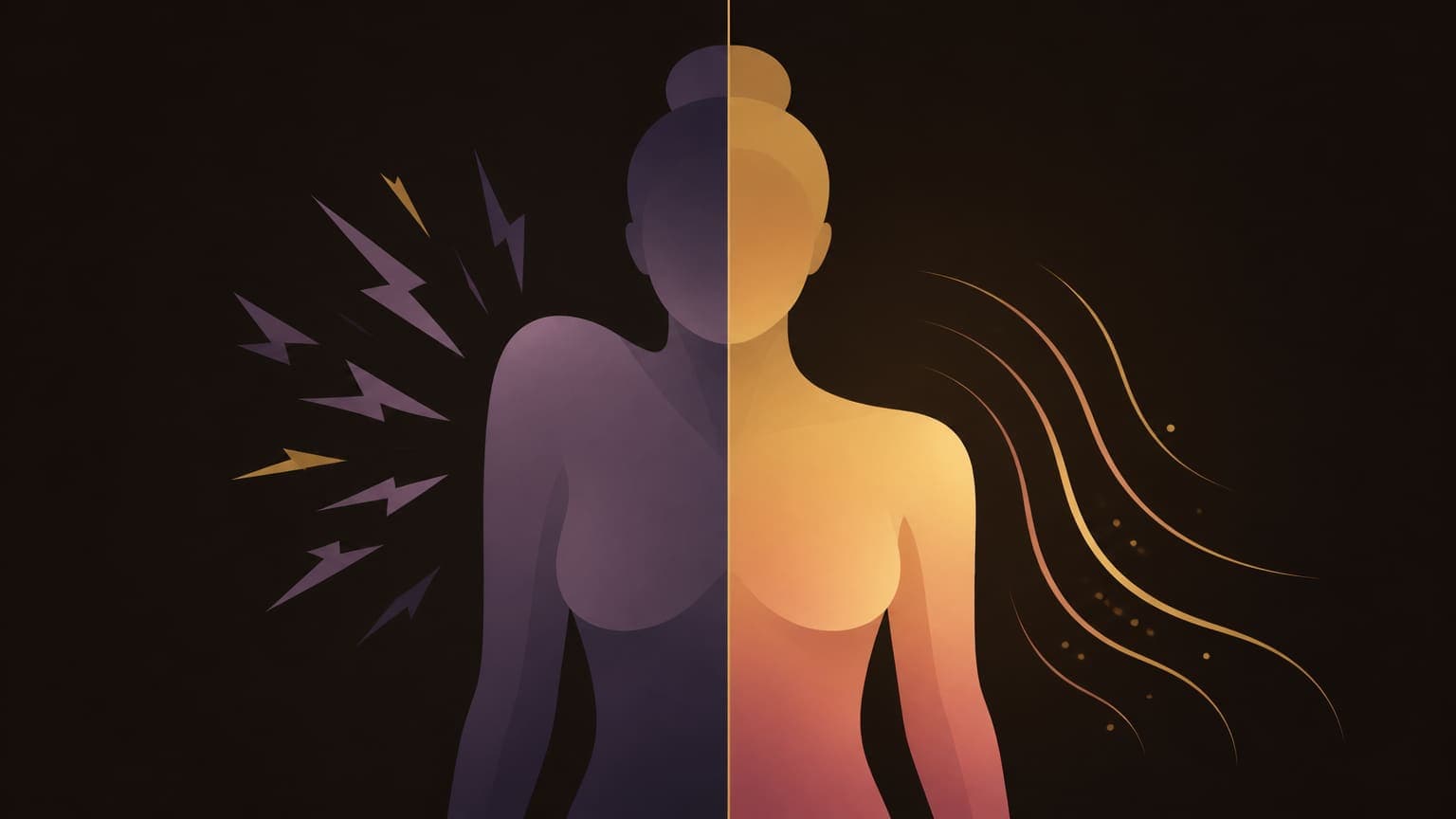
When anxiety persists despite breathing exercises and rest, TCM points to Liver Qi Stagnant, a pattern where frustration and stress trap energy in the chest and generate internal heat that disturbs the Heart. This body type often feels chest tightness, frequent sighing, and irritability that rises and falls with stress. Anxiety can also come from two other patterns: Yin Deficient, where a lack of cooling reserve lets internal heat keep the mind racing and restless, and Qi Deficient, where the Spleen cannot produce enough Blood to anchor the mind and worry loops on low energy. Each pattern may respond to a different food-grade herbal tea that eases the specific imbalance involved. Reading which system is out of flow, instead of approaching every case the same way, guides the right choice.
Quick Comparison: Which Formula for Which Type?
Not sure which formula to try? Start here.
| Formula | Best For | Key Herbs | Prep Time | Taste |
|---|---|---|---|---|
| Rose | Qi Stagnant | Dried Rose Buds, Aged Tangerine Peel, Mint | 10 minutes | Delicate and floral with a warm citrus undertone from the aged tangerine peel |
| Lily | Yin Deficient | Lily Bulb, Lotus Seed, Ophiopogon | 35 minutes | Mild, slightly sweet, and clean |
| Jujube | Qi Deficient | Red Dates, Dried Longan Aril, Poria | 30 minutes | Naturally sweet and comforting |
Curious which body type you are? Take the free 5-minute quiz.
Take the Free Quiz →Why Chinese Medicine Sees Weight Differently
Western medicine and Chinese medicine are not opposites. They look at the same body from different angles. Understanding both perspectives helps you make better choices for your body.
| Topic | Western Medicine | Chinese Medicine |
|---|---|---|
| Root cause of anxiety | Neurochemical imbalance, particularly serotonin and GABA dysfunction | Liver Qi stagnation, Heart Yin deficiency, or Spleen Qi deficiency depending on which organ system fails to anchor the spirit |
| View of the mind | Anxiety originates in the brain and is treated psychologically | The mind is housed in the Heart. When the Heart lacks nourishment or is disturbed by heat or stagnation, anxiety appears |
| Primary solution | Therapy, SSRIs, or benzodiazepines to regulate neurotransmitters | Move stuck Liver Qi, nourish Heart Yin, or strengthen Spleen so the mind has an anchor |
| Role of stress | Psychological trigger that activates the fight-or-flight response | Frustration and repression cause Liver Qi to stagnate, generating internal heat that rises and disturbs the Heart |
| Why physical symptoms accompany anxiety | Psychosomatic manifestation of stress hormones | Each organ system produces specific physical signs. Chest tightness means Liver, palpitations mean Heart, fatigue means Spleen |
| Role of exhaustion | Fatigue worsens anxiety but is not the root cause | When Spleen Qi is depleted, it cannot produce enough Blood to nourish the Heart. The mind loses its anchor and becomes restless |
Three Body Types That Commonly Struggle With Weight
In Chinese medicine, there is no universal weight loss formula. The right approach depends on your body type. Here are the three most common patterns:
TCM Perspective
The Liver is responsible for the smooth flow of Qi throughout the body. When frustration, stress, or repression blocks that flow, energy gets stuck in the chest. You feel tight, irritable, and wound up. The stuck Qi can generate heat that rises to disturb the Heart, creating a loop of tension and anxiety.
Plain English
Your sympathetic nervous system is chronically activated. Stress hormones keep your muscles tense, your breathing shallow, and your mind on high alert. The physical tightness in your chest and jaw is real, not imagined.
Common Signs
A Simple Analogy
Picture a river that hits a dam. The water backs up, pressure builds, and the whole system becomes tense. Removing the dam, not adding more water, is what restores flow. Movement and expression are the dam-breakers for this type.
TCM Perspective
Yin is the cooling, moistening, and grounding principle. When Yin runs low, the body has no cooling reserve to settle the Heart. Internal heat rises unchecked, keeping the mind racing and the body restless. This is the anxiety of someone who cannot switch off, even when exhausted.
Plain English
Your body is stuck in a low-grade fight-or-flight state with elevated cortisol and overstimulated adrenal function. The cooling, restorative systems are undercharged, so your nervous system stays too hot to relax.
Common Signs
A Simple Analogy
Think of an engine running with low coolant. It works, but the lack of cooling causes it to overheat and run rough. Adding more fuel makes it worse. You need coolant and rest, not stimulation.
TCM Perspective
The Spleen produces Qi and Blood from food. When Spleen Qi is weak, it cannot generate enough Blood to nourish and anchor the Heart. The mind, without enough Blood to rest in, becomes restless and anxious. This is the anxiety of depletion rather than excess.
Plain English
Your body is running on empty. Chronic fatigue, poor digestion, and low blood sugar keep your nervous system in a state of mild distress. You feel anxious not because of excess stimulation, but because you lack the energy to stay grounded.
Common Signs
A Simple Analogy
Imagine a tent in the wind with weak stakes. The tent is fine, but the stakes cannot hold it steady. Reinforcing the stakes, not weighting the tent down, is what brings stability. You need nourishment, not sedation.
Rose & Citrus Bloom Tea
玫瑰花陈皮茶|Mei Gui Hua Chen Pi Cha
Classical Source: Adapted from Ben Cao Gang Mu Shi Yi (Supplement to the Compendium of Materia Medica, 1765)
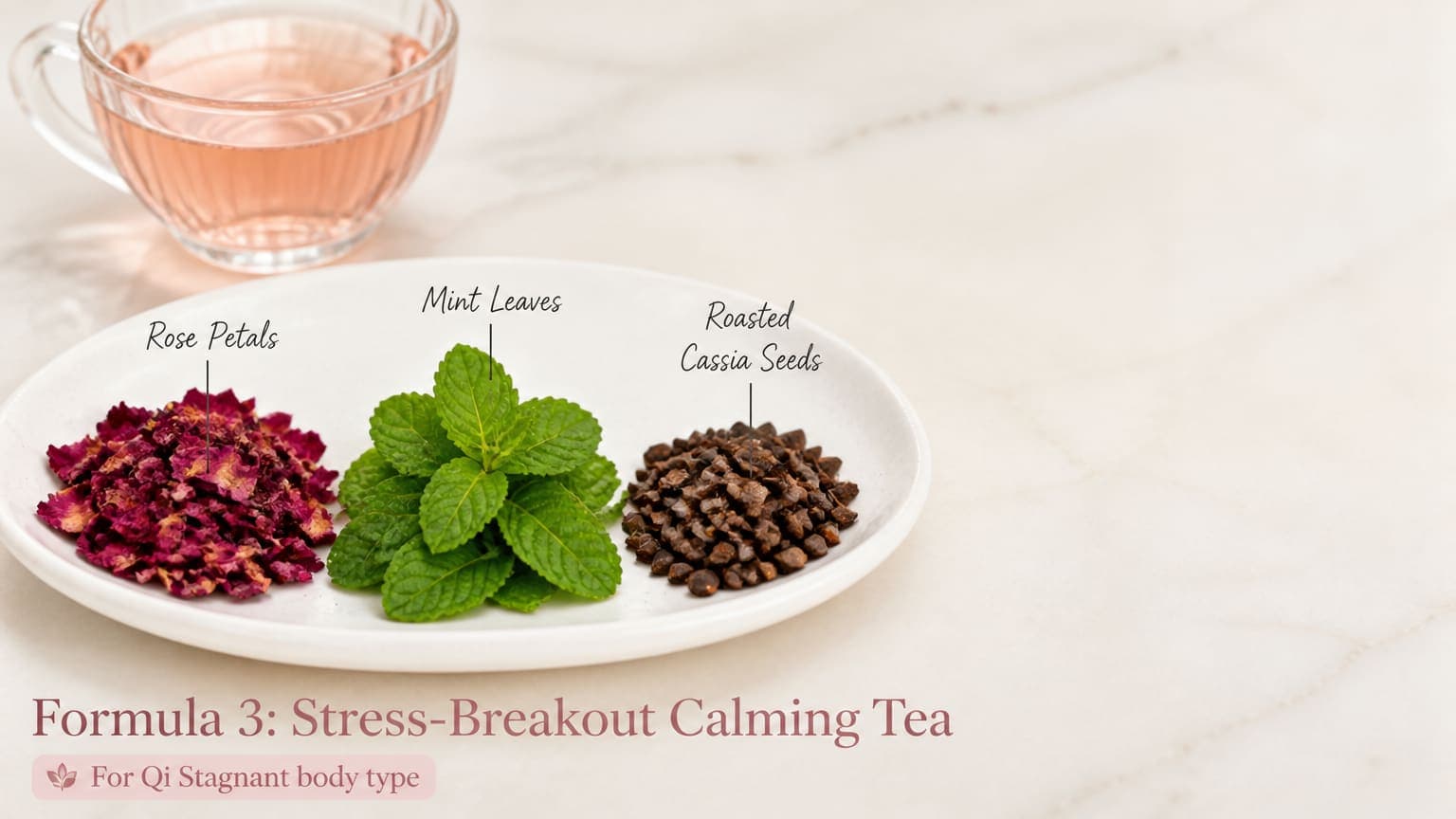
This tea moves stuck Liver Qi and opens the chest. Rose is the foremost flower in Chinese medicine for emotional tension, gently unblocking the energy that frustration and stress trap in the body. Aged tangerine peel adds warmth and movement, while mint vents heat and brings a cooling clarity. Together they restore the smooth flow that allows tension to release.
Ingredients
| Ingredient | Amount | Role | Why This Herb |
|---|---|---|---|
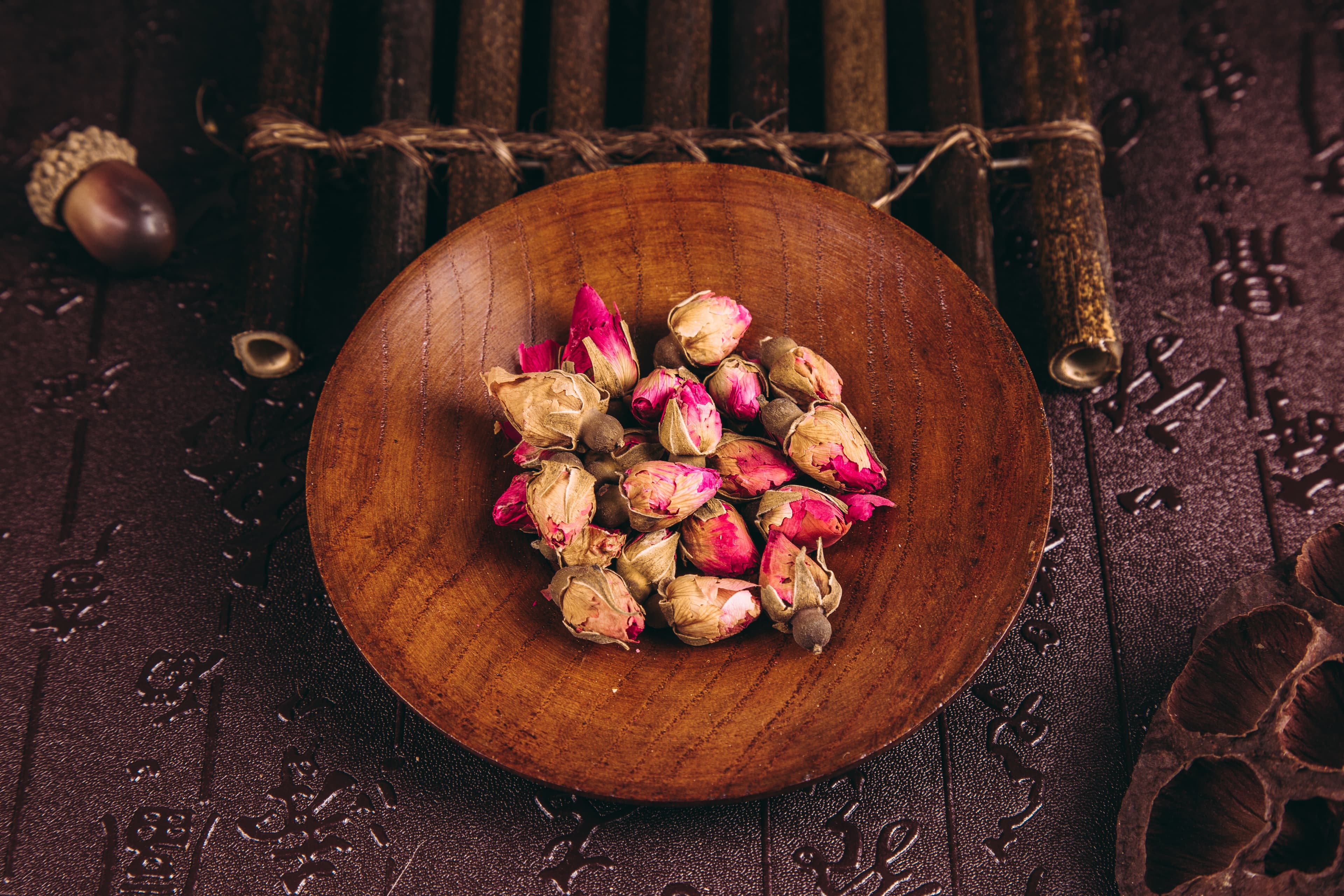 Dried Rose Buds(玫瑰花)→ Dried Rose Buds(玫瑰花)→ | 5g (about 8-10 small buds) | Primary | The premier herb for moving Liver Qi and easing emotional tension. Rose gently unblocks stuck energy in the chest, soothes irritability, and helps the body process frustration without forcing it. |
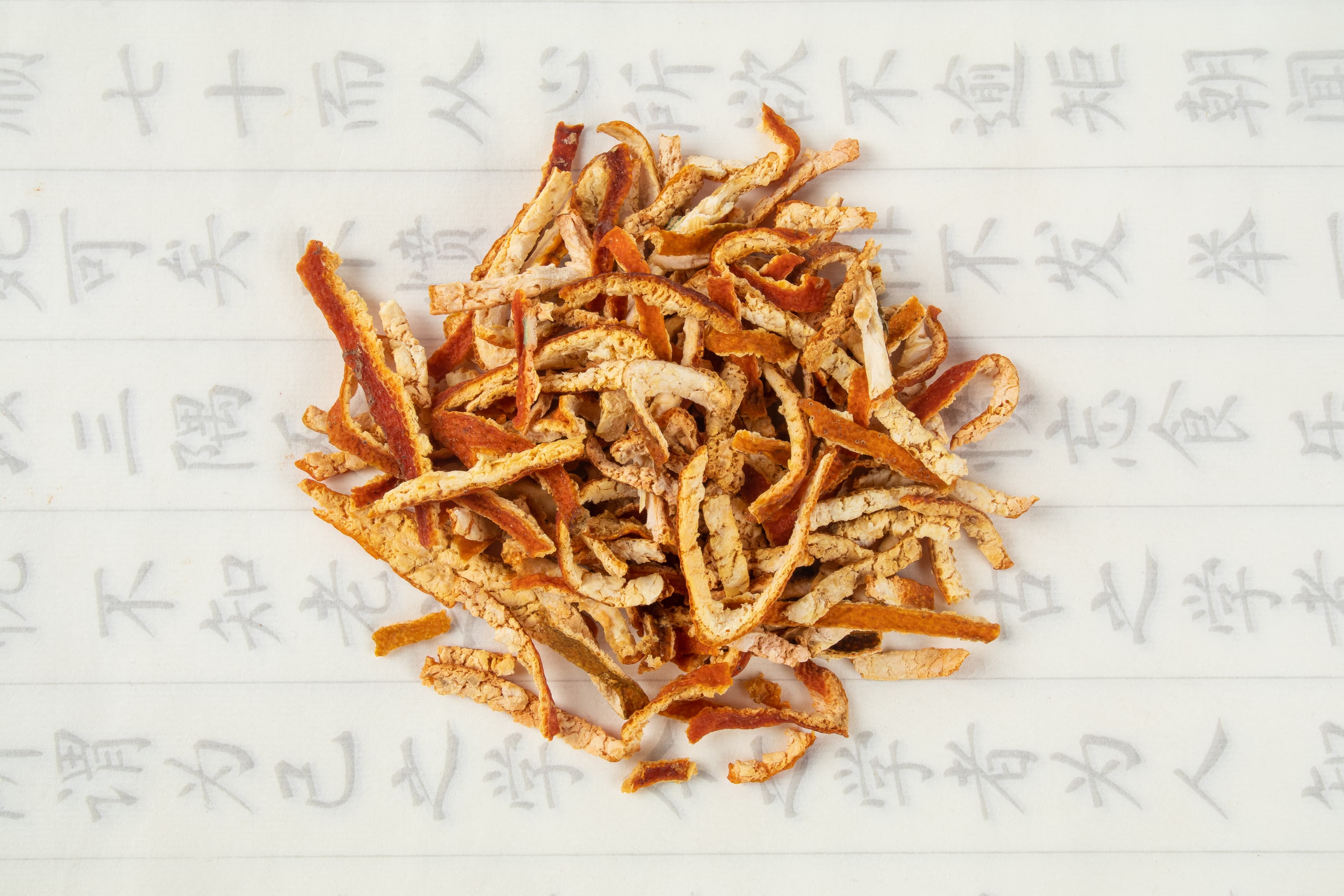 Aged Tangerine Peel(陈皮)→ Aged Tangerine Peel(陈皮)→ | 3g (about 2-3 small pieces) | Support | Moves Qi and reduces bloating and chest tightness. The aging process gives tangerine peel a mellow, warming quality that helps stuck energy flow downward rather than rising to disturb the Heart. |
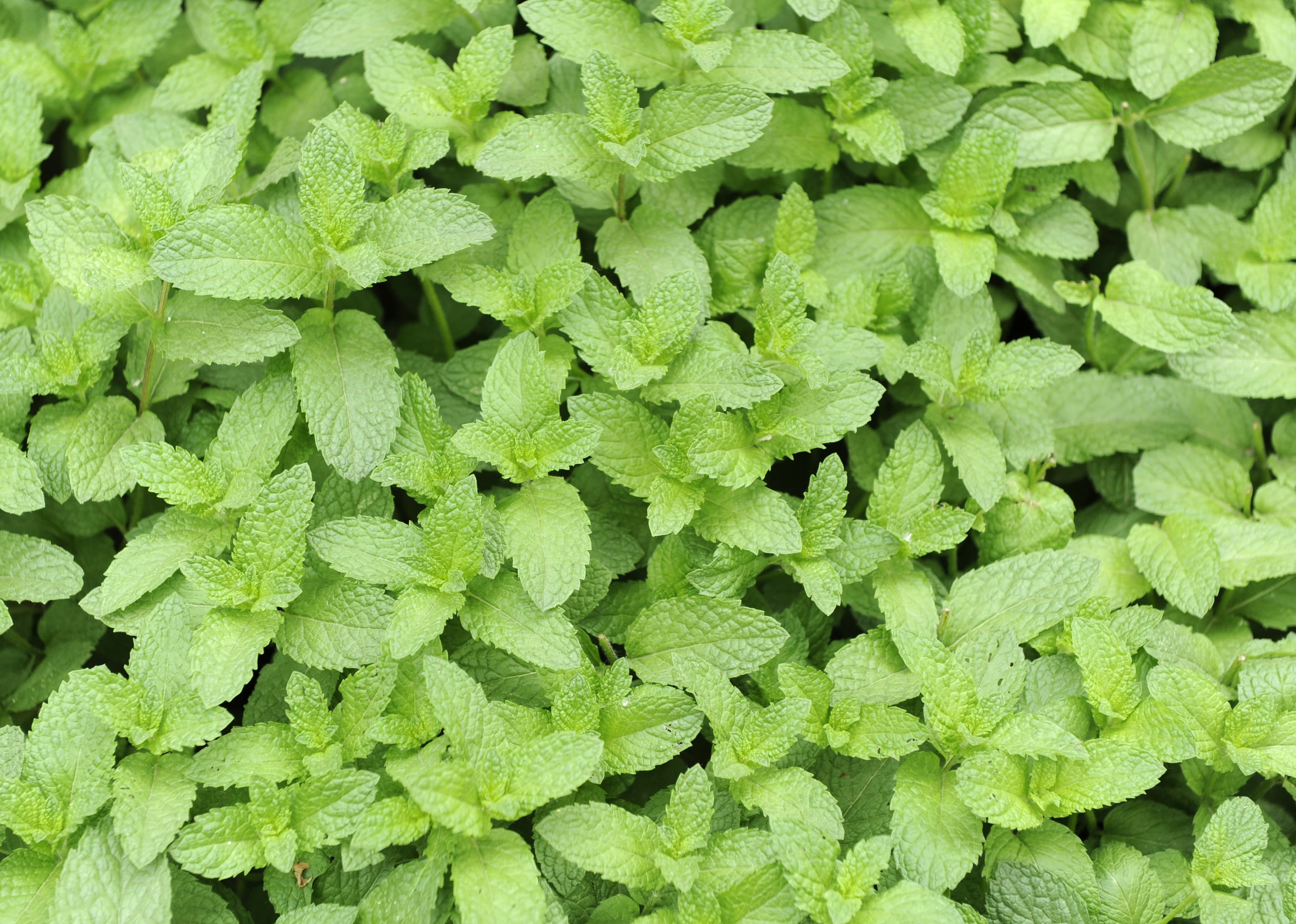 Mint(薄荷)→ Mint(薄荷)→ | 2g (about 5-6 leaves) | Harmony | Vents trapped heat from the chest and head. Mint brings a cooling, clearing quality that helps racing thoughts settle. It also enhances the rose's ability to move Liver Qi. |
How to Make It
- 1Rinse rose buds and tangerine peel briefly under cool water.
- 2Place rose buds and tangerine peel in a teapot or small pot with 500ml (2 cups) of freshly boiled water.
- 3Cover and steep for 5 minutes.
- 4Add mint leaves in the last 2 minutes of steeping. Do not boil mint, as heat destroys its volatile oils.
- 5Strain into a cup. The tea should be a pale pink-amber color.
How to Take
Drink one cup (250ml) warm, in the afternoon between 1 and 3 PM, or whenever tension peaks. This timing aligns with the Liver's natural rhythm and helps release the day's accumulated stress.
How Long
Drink daily for 3 consecutive weeks, then pause for 1 week. Most people notice less chest tightness and irritability within 3-5 days. Deeper changes in emotional reactivity typically require 4-6 weeks of consistent use.
Taste
Delicate and floral with a warm citrus undertone from the aged tangerine peel. The mint adds a refreshing finish. Light, fragrant, and uplifting without being stimulating.
Yield
500ml (2 cups) | Prep time: 10 minutes
Who Should Avoid This
- !Not suitable during pregnancy without consulting a healthcare provider. Rose may stimulate uterine contractions.
- !Avoid this formula if you have heavy menstrual bleeding, as rose promotes movement.
- !If you feel dizziness or lightheadedness, reduce rose buds to 3g.
- !Do not drink on an empty stomach, as the moving nature of this formula may cause mild nausea.
- !This formula is best for tension and stuck energy. If your anxiety comes with exhaustion rather than frustration, choose Formula 3 instead.
Lily & Lotus Heart-Calming Tea
百合莲子麦冬茶|Bai He Lian Zi Mai Dong Cha
Classical Source: Adapted from Jin Gui Yao Lue (Essentials from the Golden Cabinet) by Zhang Zhongjing, Eastern Han Dynasty
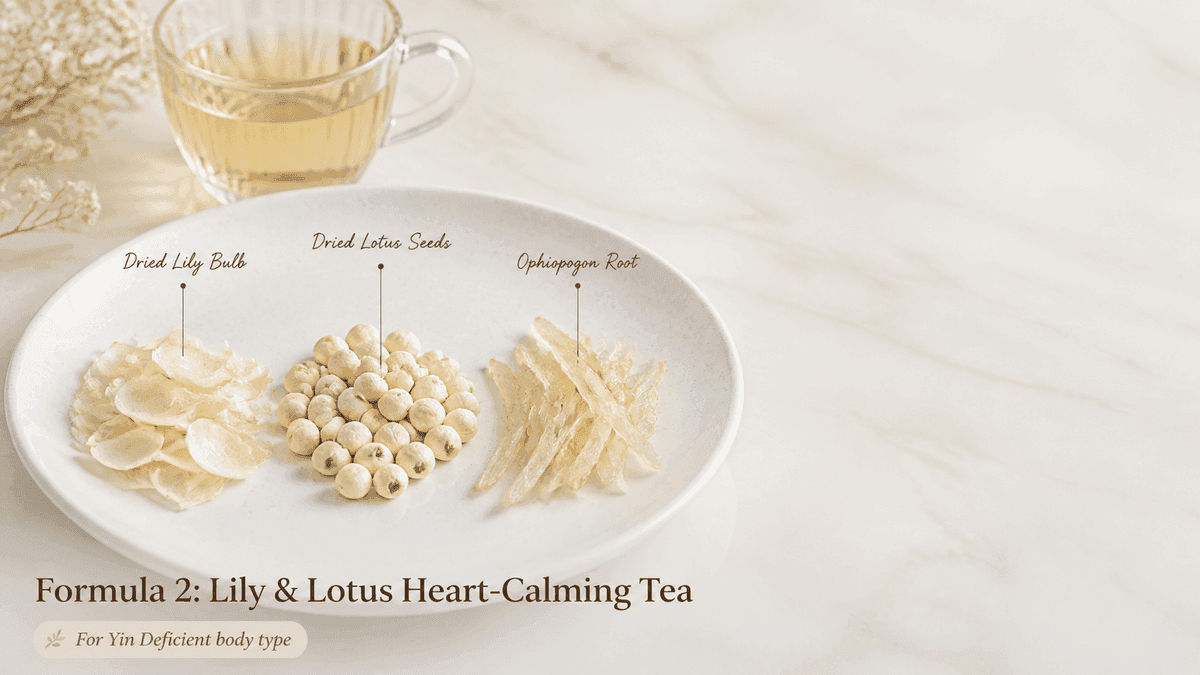
This cooling and moistening tea is for the person whose anxiety comes with heat and restlessness. Lily bulb nourishes Heart Yin and calms the spirit. Lotus seed anchors the mind and steadies the heartbeat. Ophiopogon root restores the cooling fluids that prevent internal heat from disturbing the Heart. Together they rebuild the Yin that lets the mind settle.
Ingredients
| Ingredient | Amount | Role | Why This Herb |
|---|---|---|---|
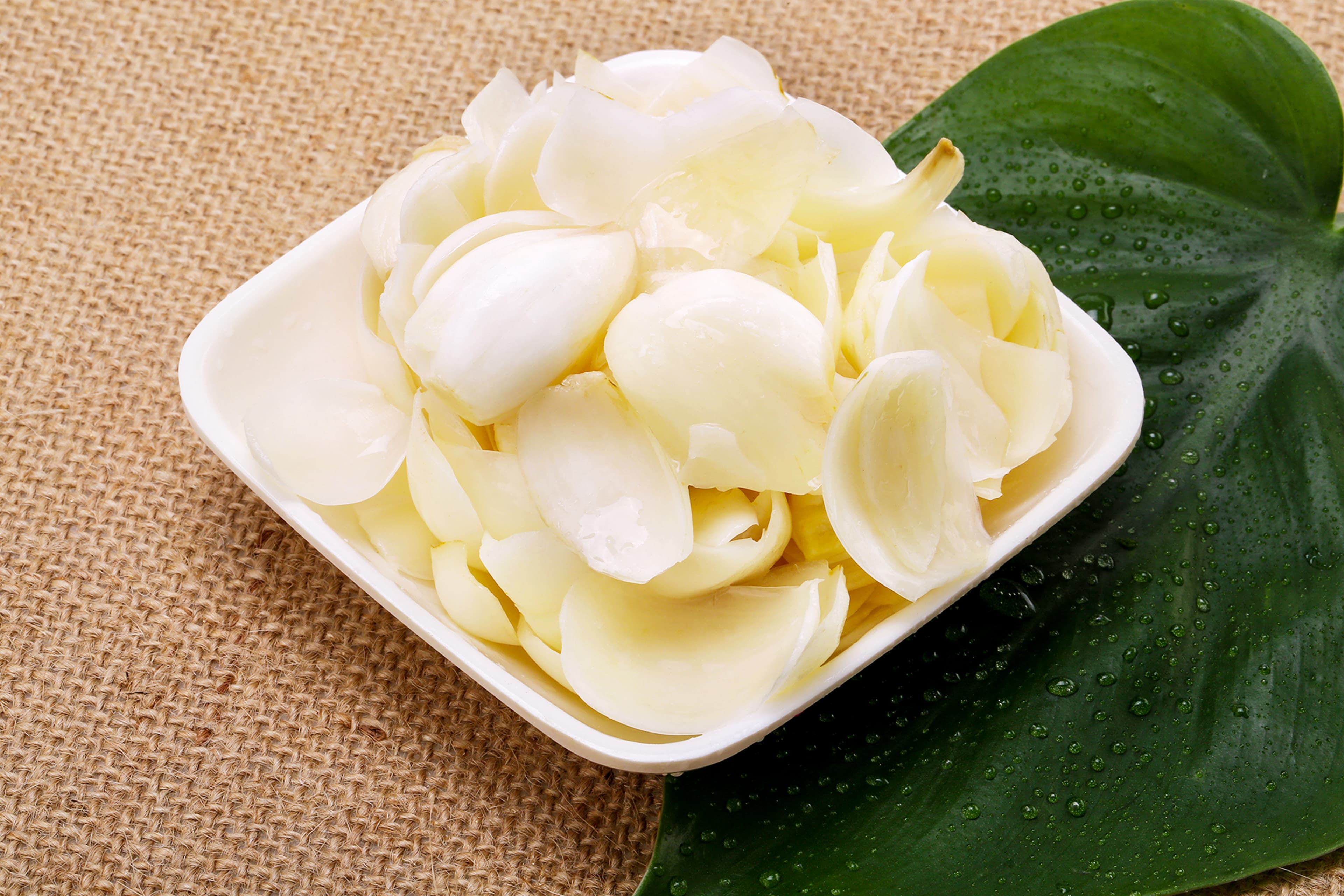 Lily Bulb(百合)→ Lily Bulb(百合)→ | 15g (about 10-12 dried petals) | Primary | Nourishes Heart and Lung Yin, clears heat, and calms the spirit. Lily bulb is one of the most gentle and trusted herbs for anxiety that comes with a hot, restless feeling. |
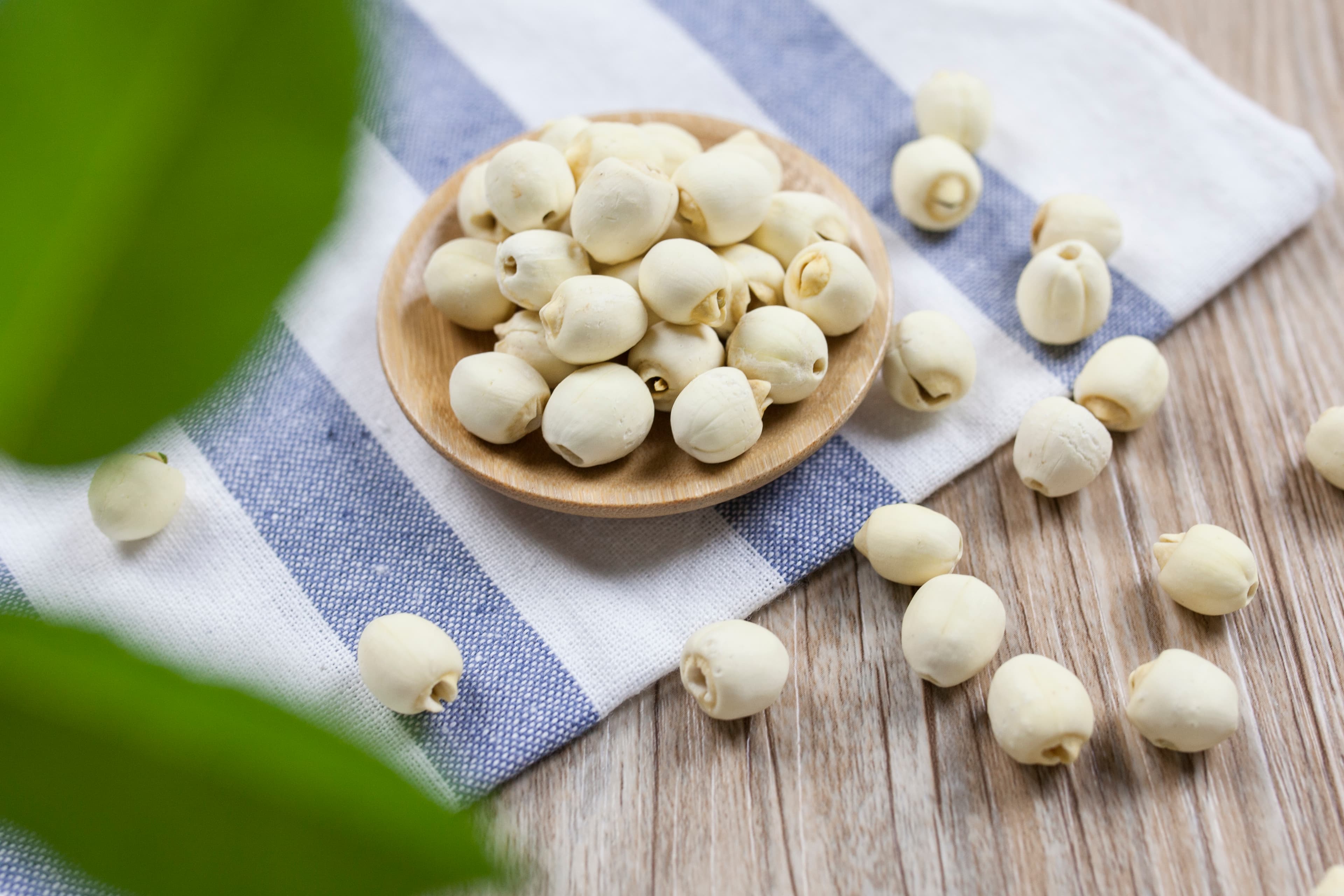 Lotus Seed(莲子)→ Lotus Seed(莲子)→ | 15g (about 15 seeds) | Support | Nourishes the Heart and calms the mind. Lotus seed helps anchor the spirit and reduce palpitations. It also strengthens the Spleen, supporting the body's ability to produce Blood. |
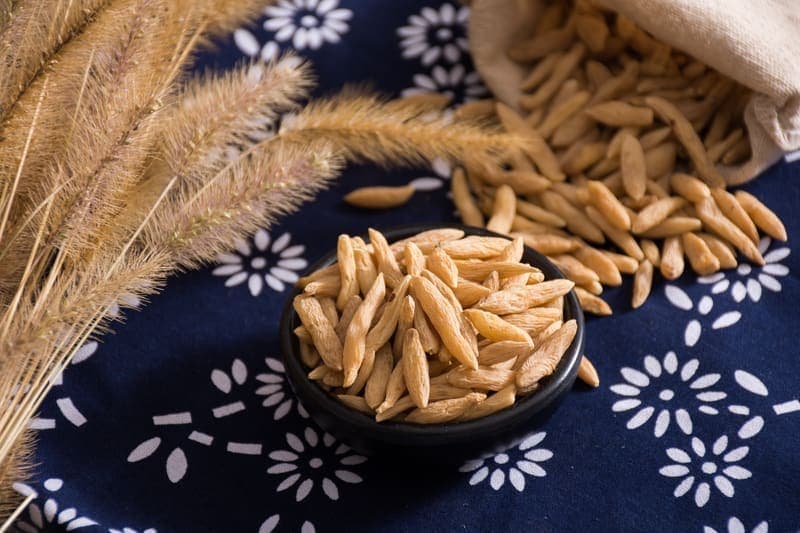 Ophiopogon (Mai Dong)(麦冬)→ Ophiopogon (Mai Dong)(麦冬)→ | 5g (about 8-10 small pieces) | Harmony | Nourishes Heart and Lung Yin, generates fluids, and clears empty heat. Ophiopogon restores the cooling reserve that prevents internal heat from rising and disturbing the mind. |
How to Make It
- 1Rinse all ingredients under cool water.
- 2Soak lotus seeds in warm water for 10 minutes to soften.
- 3Place all ingredients in a small pot with 600ml (2.5 cups) of water.
- 4Bring to a boil over medium heat (about 8 minutes).
- 5Reduce to low heat, cover, and simmer for 20 minutes.
- 6Turn off heat and let sit for 5 minutes.
- 7Strain into a cup. The tea should be a pale golden-white color.
How to Take
Drink one cup (250ml) warm, in the evening between 5 and 7 PM, or 1 hour before bed. This timing allows the nourishing Yin to settle the Heart before the body transitions into rest.
How Long
Drink daily for 4 consecutive weeks, then pause for 1 week. Most people notice less racing thoughts and palpitations within the first week. Deeper changes in baseline anxiety typically require 4-6 weeks of consistent use.
Taste
Mild, slightly sweet, and clean. The lily bulb adds a delicate floral note, while the lotus seed gives a subtle nutty quality. Ophiopogon contributes a gentle sweetness. Soothing and refined.
Yield
500ml (2 cups) | Prep time: 35 minutes
Who Should Avoid This
- !Not suitable if you have a cold constitution with diarrhea or frequent clear urination. This formula is cooling and moistening.
- !If you experience bloating or loose stools, reduce ophiopogon to 3g.
- !Avoid cold drinks and raw foods while using this formula, as they counteract the warming digestion needed to absorb Yin-nourishing herbs.
- !Not recommended during acute colds or flu.
- !This formula is best for hot, restless anxiety. If your anxiety comes with frustration and chest tightness, choose Formula 1 instead.
Jujube & Longan Serenity Tea
大枣桂圆茯芲茶|Da Zao Gui Yuan Fu Ling Cha
Classical Source: Adapted from Gui Pi Tang (Restore the Spleen Decoction) by Yan Yonghe, Ji Sheng Fang (1253)
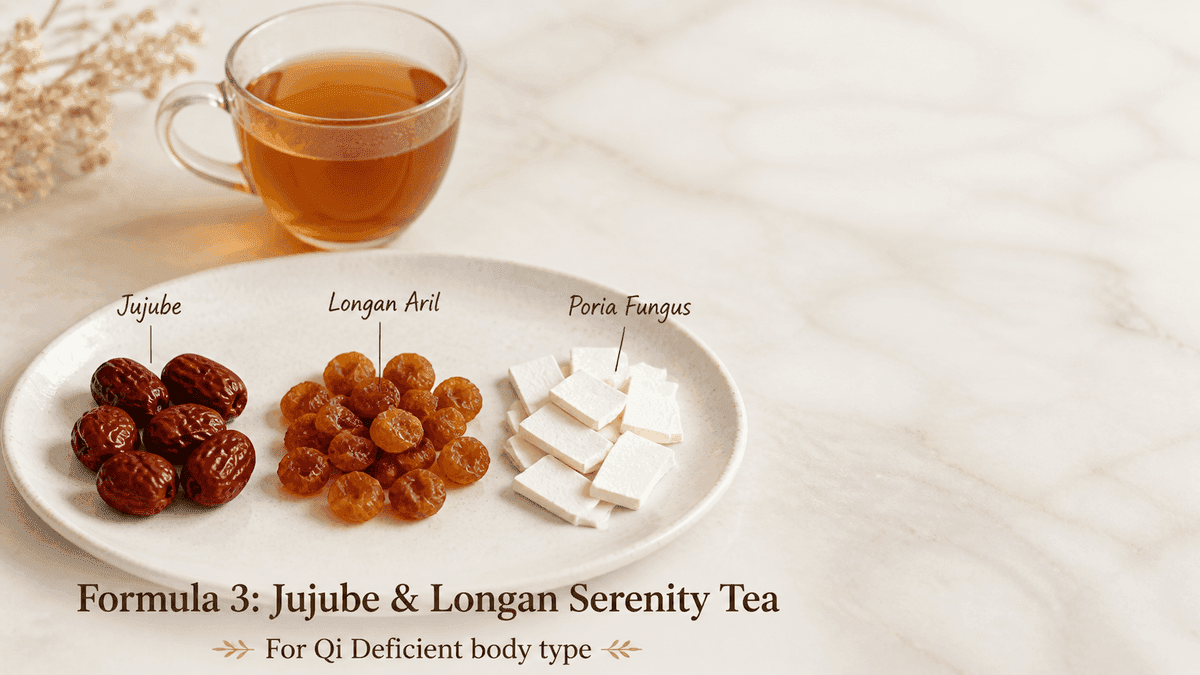
This nourishing tea rebuilds the Spleen's ability to produce Blood, giving the Heart something to anchor the mind. Jujube dates tonify Spleen Qi and nourish Blood. Longan aril directly feeds the Heart and calms the spirit. Poria strengthens the Spleen and quietly settles the mind without forcing it. Together they restore the deep nourishment that depletion has taken away.
Ingredients
| Ingredient | Amount | Role | Why This Herb |
|---|---|---|---|
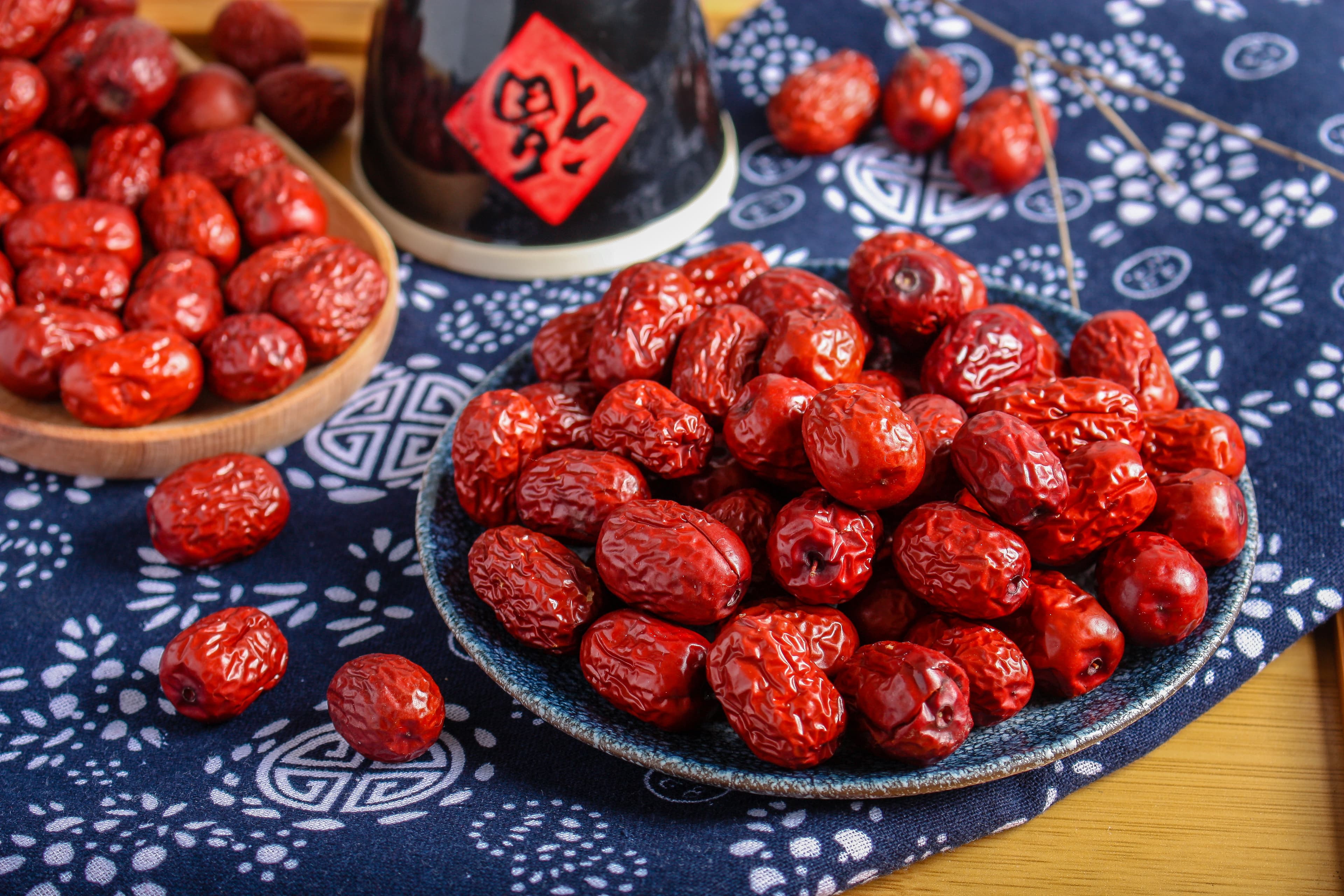 Red Dates (Jujube)(大枣)→ Red Dates (Jujube)(大枣)→ | 6 pieces, pitted | Primary | Tonifies Spleen Qi and nourishes Blood. Red dates are the most widely used food-grade herb in Chinese medicine for rebuilding the energy and Blood that the Heart needs to anchor the mind. |
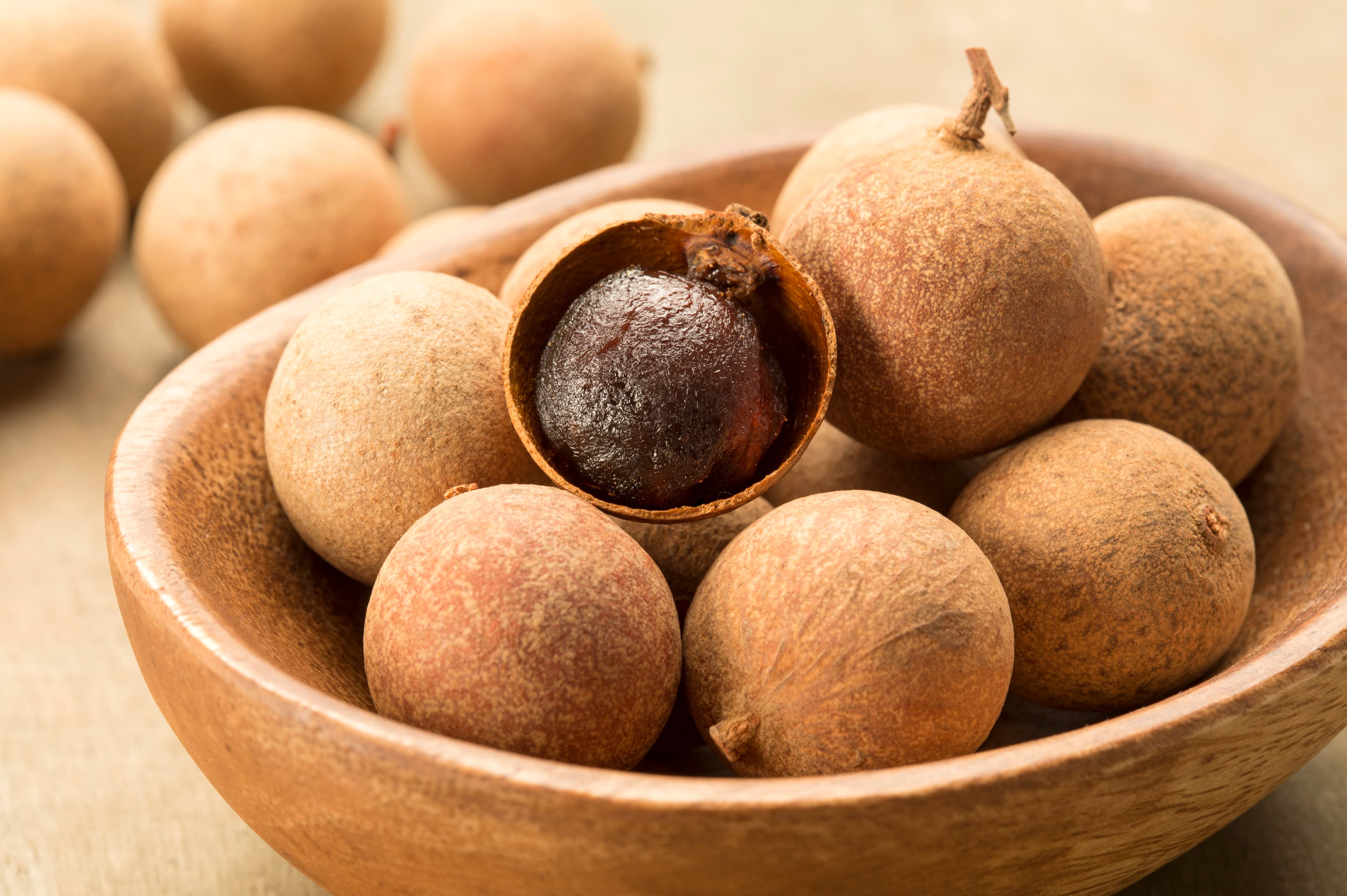 Dried Longan Aril(桂圆)→ Dried Longan Aril(桂圆)→ | 10g (about 10-12 pieces) | Support | Nourishes Heart Blood and Spleen Qi, calms the spirit. Longan is specifically valued for anxiety and insomnia that come from depletion. It is sweeter and more warming than most calming herbs. |
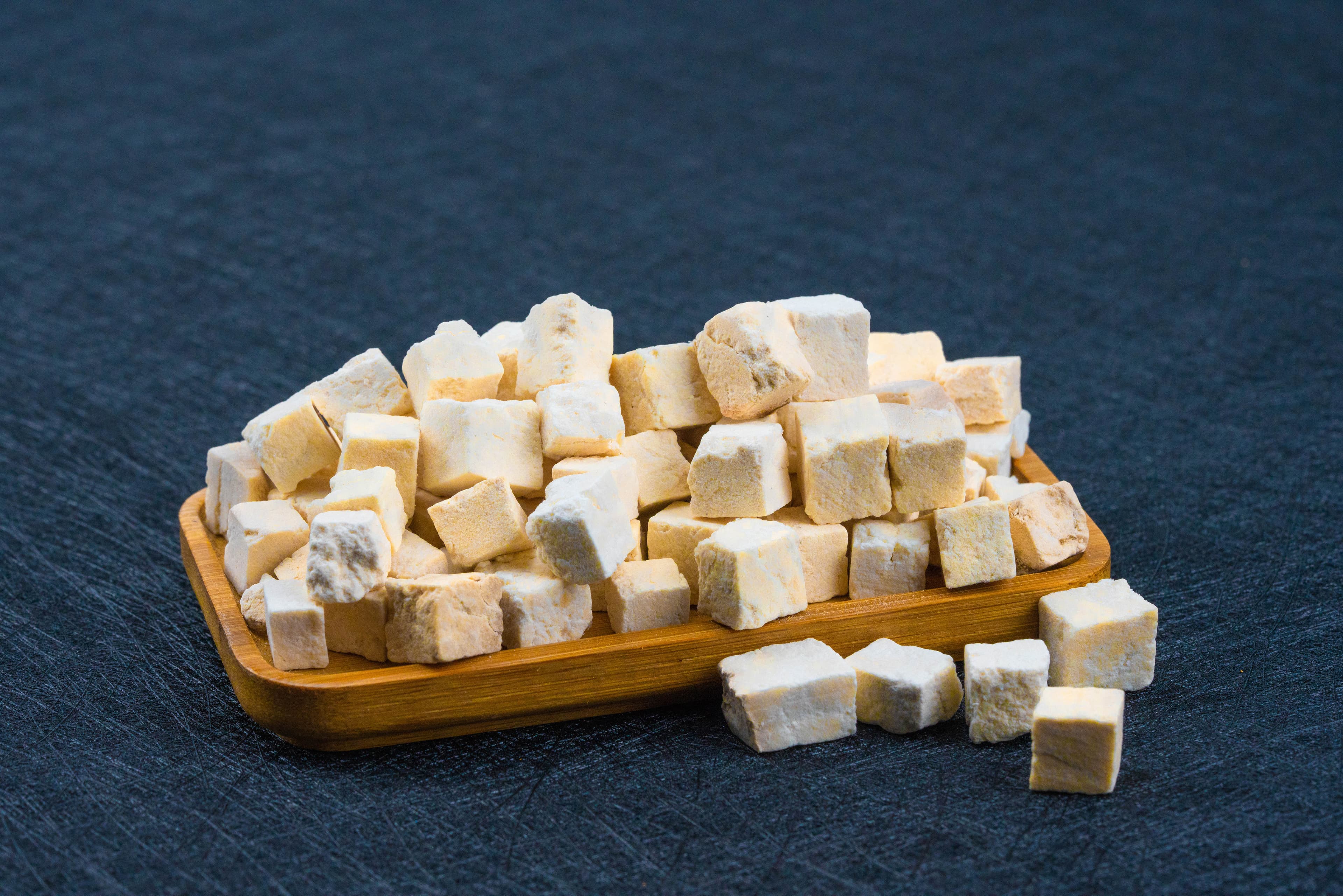 Poria(茯芲)→ Poria(茯芲)→ | 10g (about 5-6 small pieces or 1 teaspoon powder) | Harmony | Strengthens the Spleen, drains dampness, and calms the Heart. Poria is unique in that it both supports digestion and settles the mind, making it ideal for anxiety rooted in depletion. |
How to Make It
- 1Pit the red dates and cut each into 2-3 pieces to release flavor.
- 2Rinse longan arils and poria under cool water.
- 3Place all ingredients in a small pot with 600ml (2.5 cups) of water.
- 4Bring to a boil over medium heat (about 8 minutes).
- 5Reduce to low heat, cover, and simmer for 20 minutes.
- 6Turn off heat and let sit for 5 minutes.
- 7Strain into a cup. The tea should be a warm amber-brown color.
How to Take
Drink one cup (250ml) warm, in the morning on an empty stomach or 30 minutes before breakfast. This timing aligns with the Spleen's peak energy cycle, maximizing the absorption of nourishing Qi and Blood.
How Long
Drink daily for 4 consecutive weeks, then pause for 1 week. Most people notice steadier energy and less looping worry within 5-7 days. Deeper changes in anxiety resilience typically require 4-6 weeks of consistent use.
Taste
Naturally sweet and comforting. The red dates and longan create a honey-like warmth, while the poria adds a subtle earthy grounding note. Rich, soothing, and satisfying.
Yield
500ml (2 cups) | Prep time: 30 minutes
Who Should Avoid This
- !Not suitable if you tend to feel hot, sweaty, or restless. This formula is warming and tonifying, and may add heat to an already warm system.
- !If you experience bloating, reduce longan to 5g.
- !Avoid drinking this tea late at night, as its tonifying nature may be too activating before sleep.
- !Not recommended during acute colds, flu, or fever.
- !This formula is best for exhausted, depleted anxiety. If your anxiety comes with tension and frustration, choose Formula 1 instead.
Which Formula Is Right for You?
Each formula targets a specific body type. Taking the 3-minute body type quiz is the fastest way to find your match and get personalized recommendations.
Take the Free Body Type Quiz >Frequently Asked Questions
Can these teas replace anxiety medication?
No. These teas are not a substitute for prescribed anxiety medication or therapy. If you are currently taking medication for anxiety, do not stop or reduce it without consulting your doctor. These teas can be used alongside professional treatment as a gentle, food-based support. Chinese medicine works gradually by addressing underlying patterns, not by providing immediate symptom relief.
Which formula should I start with?
It depends on how your anxiety feels. If it comes with chest tightness, irritability, and frustration that builds during the day, Formula 1 (Rose & Citrus Bloom) moves stuck energy. If it comes with a racing mind, heat, and restlessness especially at night, Formula 2 (Lily & Lotus) cools and nourishes. If it comes with exhaustion, worry, and feeling overwhelmed by simple tasks, Formula 3 (Jujube & Longan) rebuilds and anchors. The most reliable way to choose is to take our free body type quiz.
Are these ingredients easy to find?
Yes. All ingredients are food-grade items available at Asian grocery stores, Chinese herbal shops, and online retailers. Red dates, longan, and dried tangerine peel are very common. Rose buds, lily bulb, lotus seeds, and poria can be found at most Chinese herbal shops or online TCM suppliers. Mint is available at any grocery store. None of these require a prescription.
How long until I feel less anxious?
Chinese medicine works gradually by rebalancing the body's underlying patterns rather than suppressing symptoms. For stress-related anxiety (Formula 1), most people notice less chest tightness and irritability within 3-5 days. For hot, restless anxiety (Formula 2), racing thoughts typically calm within the first week. For depleted anxiety (Formula 3), steadier energy and less looping worry usually appear within 5-7 days. Deeper, lasting changes in anxiety resilience generally require 4-6 weeks of consistent daily use.
Can I drink more than one formula at the same time?
You can, but it is usually not necessary. Each formula targets a specific pattern. Using the one that matches your body type is more effective than combining all three. If your pattern is mixed or unclear, take the free body type quiz first to get a personalized recommendation. Mixing moving, cooling, and tonifying formulas at the same time may reduce their individual effectiveness.
This content is for educational and informational purposes only and is not medical advice. The herbal formulas described here use food-grade ingredients traditionally consumed in Chinese culture. Always consult a qualified healthcare professional before starting any herbal regimen, especially if you are pregnant, nursing, taking medications, or managing a health condition. Individual results may vary.