Chinese Herbs for Hair Loss: 3 Herbal Teas by Body Type
Chinese medicine sees hair as an extension of the Kidneys and Blood. When kidney essence declines through stress, aging, or overwork, the hair loses its nourishment from within. Unlike topical treatments that work on the scalp surface, TCM herbs work from the inside, rebuilding the deep reserves that feed the hair. Three body type patterns contribute to hair thinning, and each responds to different nourishing herbs.
Quick Answer
The most common TCM pattern behind hair thinning is Kidney Yin Deficient, where the cooling, moistening reserve that feeds the hair from within runs low through chronic stress, poor sleep, or overwork, and the hair turns dry and brittle before it falls. This body type often comes with night sweats, dry skin, and a feeling of internal heat. Hair loss can also arise from Blood Deficient, where low blood fails to nourish the follicles and leaves hair thin, fine, and slow-growing, and Qi Deficient, where chronic fatigue shifts the body into conservation mode and cuts non-essential growth. Each pattern may respond to a different food-grade herbal tea that rebuilds the specific reserve involved. Nourishing the right system from within, rather than working only on the scalp, is the core idea.
Quick Comparison: Which Formula for Which Type?
Not sure which formula to try? Start here.
| Formula | Best For | Key Herbs | Prep Time | Taste |
|---|---|---|---|---|
| Essence-Building Hair Tea | Yin Deficient | Fo-Ti, Prepared Rehmannia, Goji Berries, Black Jujube | 40 minutes (plus 30 minutes soaking) | Deep, rich, and slightly sweet |
| Blood-Nourishing Hair Tea | Blood Deficient | Dong Quai, Red Dates, Black Jujube, Goji Berries | 30 minutes | Sweet, warm, and deeply nourishing |
| Qi-Supporting Hair Tea | Qi Deficient | Astragalus, Fo-Ti, Chinese Yam, Red Dates | 30 minutes | Mild, sweet, and slightly starchy |
Curious which body type you are? Take the free 5-minute quiz.
Take the Free Quiz →Why Chinese Medicine Sees Weight Differently
Western medicine and Chinese medicine are not opposites. They look at the same body from different angles. Understanding both perspectives helps you make better choices for your body.
| Topic | Western Medicine | Chinese Medicine |
|---|---|---|
| Root cause of hair loss | Genetics (androgenetic alopecia), hormonal changes, stress, or nutritional deficiencies | Depletion of kidney essence and blood that normally nourishes the hair from within |
| View of hair | A protein structure produced by follicles, largely independent of internal organ health | An outward extension of kidney essence and blood, reflecting the body's deepest nutritional reserves |
| View of premature graying | Melanin depletion in hair follicles, often genetically determined | Early sign of kidney essence decline, sometimes accelerated by stress or overwork |
| Primary approach | Topical minoxidil or oral medications to stimulate follicle activity | Nourish kidney essence and build blood internally, feeding the hair from the root |
Three Body Types That Commonly Struggle With Weight
In Chinese medicine, there is no universal weight loss formula. The right approach depends on your body type. Here are the three most common patterns:
TCM Perspective
Kidney yin is the cooling, moistening reserve that nourishes hair, skin, and nails. When yin declines through chronic stress, insufficient sleep, or overwork, the hair becomes dry and brittle before it begins to thin. This pattern often accompanies night sweats, dry skin, and a feeling of internal heat.
Plain English
This pattern may correspond to hair loss exacerbated by stress hormones and poor sleep, where the body's restorative capacity is diminished.
Common Signs
A Simple Analogy
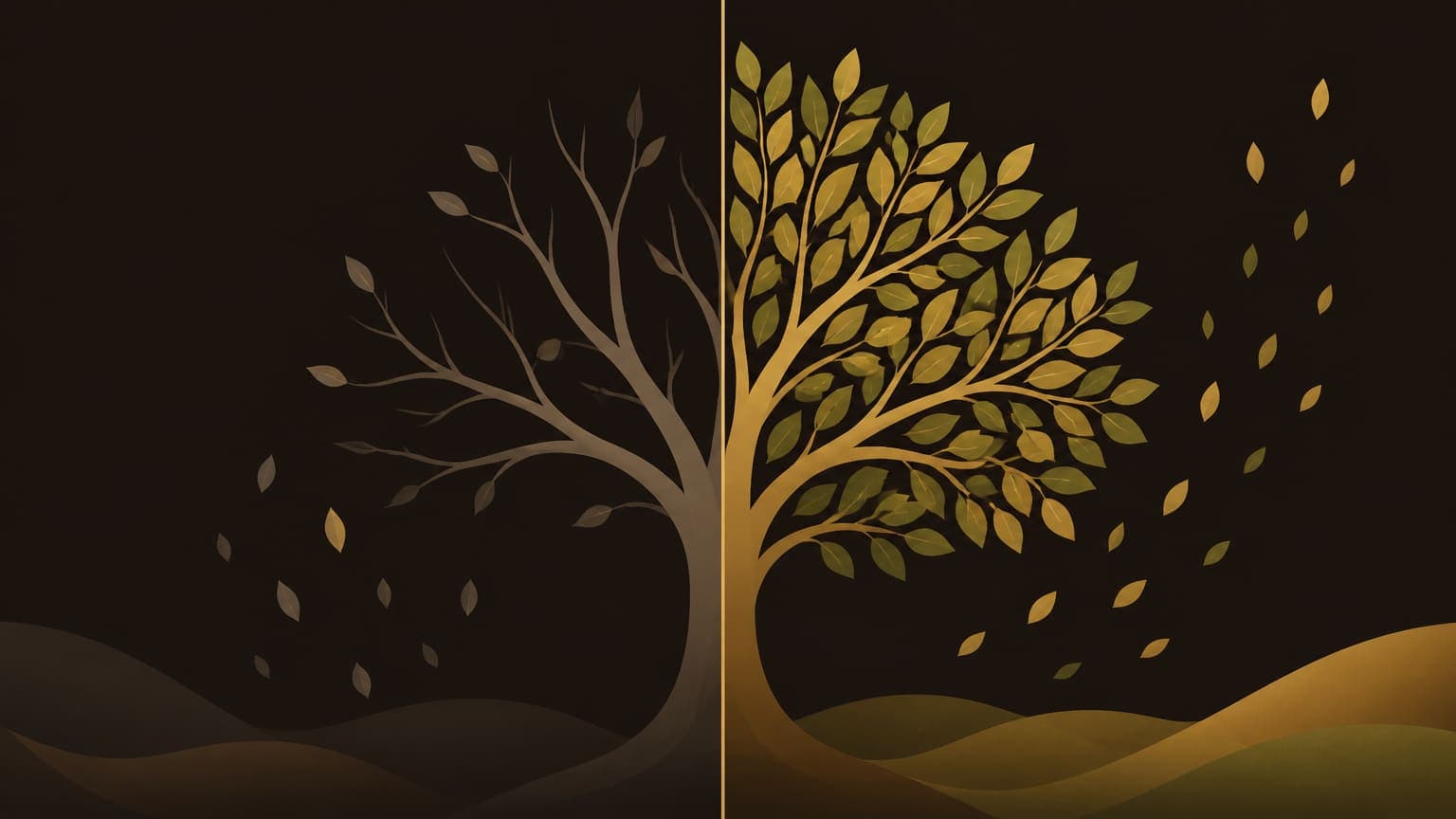
A tree whose roots can no longer draw up enough water. The branches dry out first, and the leaves become brittle before they fall.
TCM Perspective
Blood nourishes the hair in TCM theory. When blood is insufficient, whether from poor digestion, heavy menstruation, or inadequate nutrition, the hair receives less nourishment and becomes thin, fine, and slow-growing. This pattern often accompanies a pale complexion and dry, dull skin.
Plain English
This pattern may correspond to hair loss related to iron deficiency, low ferritin, or inadequate protein intake, where the body lacks building blocks for hair production.
Common Signs
A Simple Analogy
A garden where the soil lacks nutrients. The plants survive but cannot thrive, producing thin, sparse growth.
TCM Perspective
Qi is the energy that drives all functions, including the delivery of nourishment to the hair. When qi is deficient from chronic fatigue, weak digestion, or post-illness depletion, the body prioritizes essential functions over hair growth. The result is gradual, overall thinning rather than patchy loss.
Plain English
This pattern may align with telogen effluvium, where prolonged stress or illness shifts hair follicles into a resting phase, producing diffuse thinning.
Common Signs
A Simple Analogy
A city experiencing rolling blackouts. The power company cuts non-essential services first, and hair growth is among the first to be reduced.
Essence-Building Hair Tea
益精养发茶|Yi Jing Yang Fa Cha
Classical Source: Hair-nourishing tradition from Bencao Gangmu
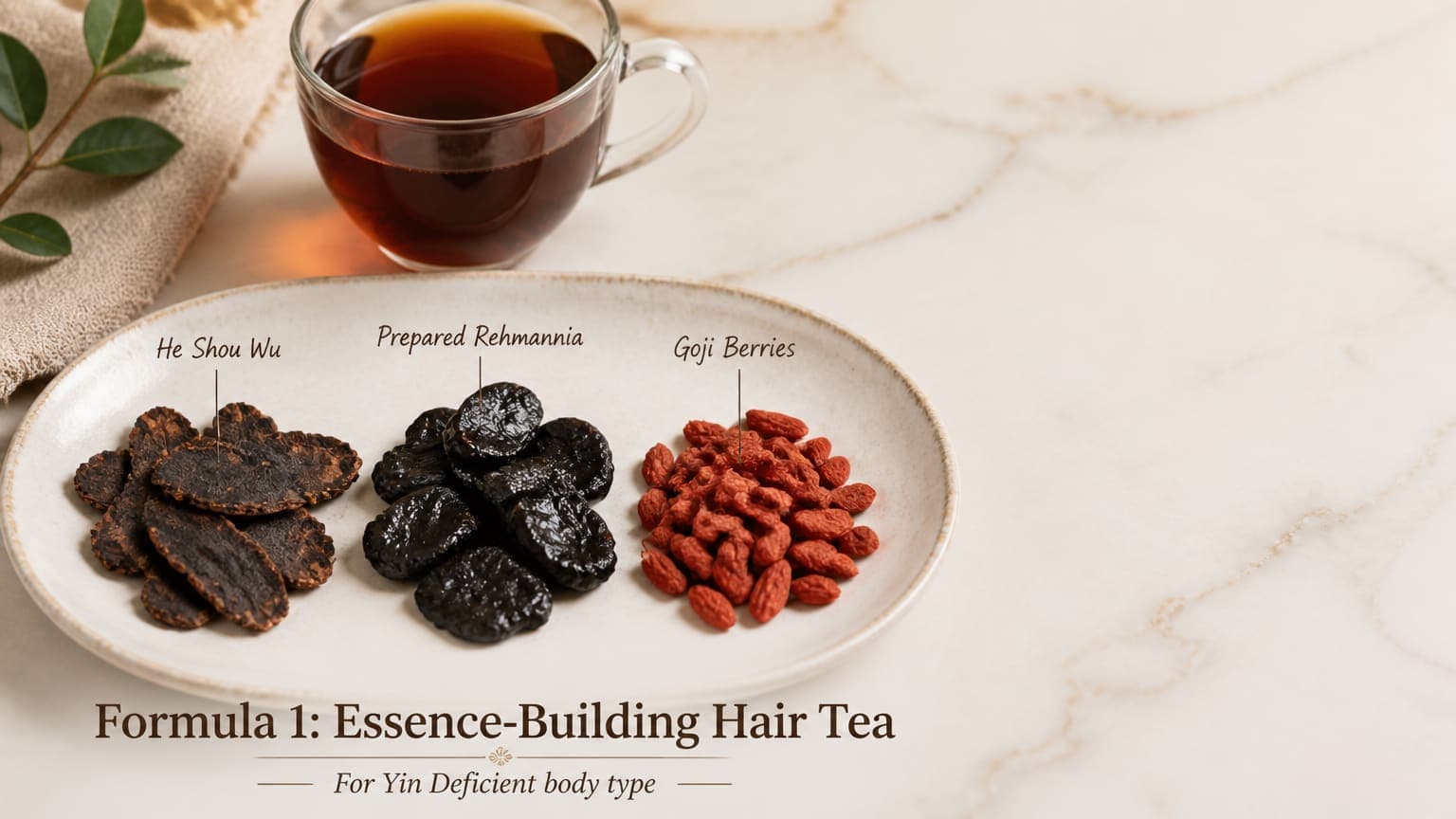
The primary formula for hair loss accompanied by dryness, night sweats, and internal heat. He shou wu is the most famous hair herb in TCM, nourishing kidney essence directly. Prepared rehmannia provides deep yin nourishment, and goji berries support the liver and kidney channels that govern hair health.
Ingredients
| Ingredient | Amount | Role | Why This Herb |
|---|---|---|---|
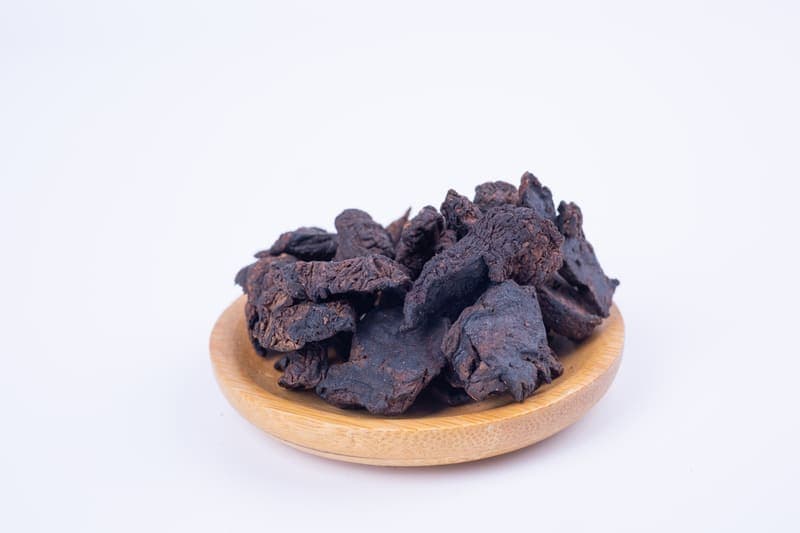 Fo-Ti (He Shou Wu)(he shou wu)→ Fo-Ti (He Shou Wu)(he shou wu)→ | 10g | Chief | The most renowned herb for hair in Chinese medicine. He shou wu nourishes kidney essence and liver blood simultaneously, the two reserves most directly connected to hair color and strength. Its legend of restoring gray hair to black reflects its deep nourishing action on the hair's root. |
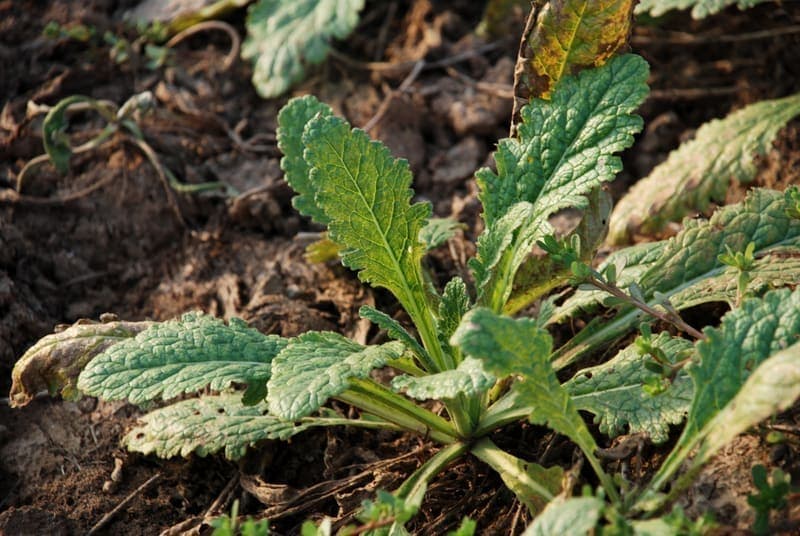 Prepared Rehmannia(shu di huang)→ Prepared Rehmannia(shu di huang)→ | 10g | Deputy | The deepest yin tonic in the pharmacopoeia. Prepared rehmannia replenishes the kidney yin that moisturizes hair from within. Its rich, nourishing nature complements he shou wu's essence-building action. |
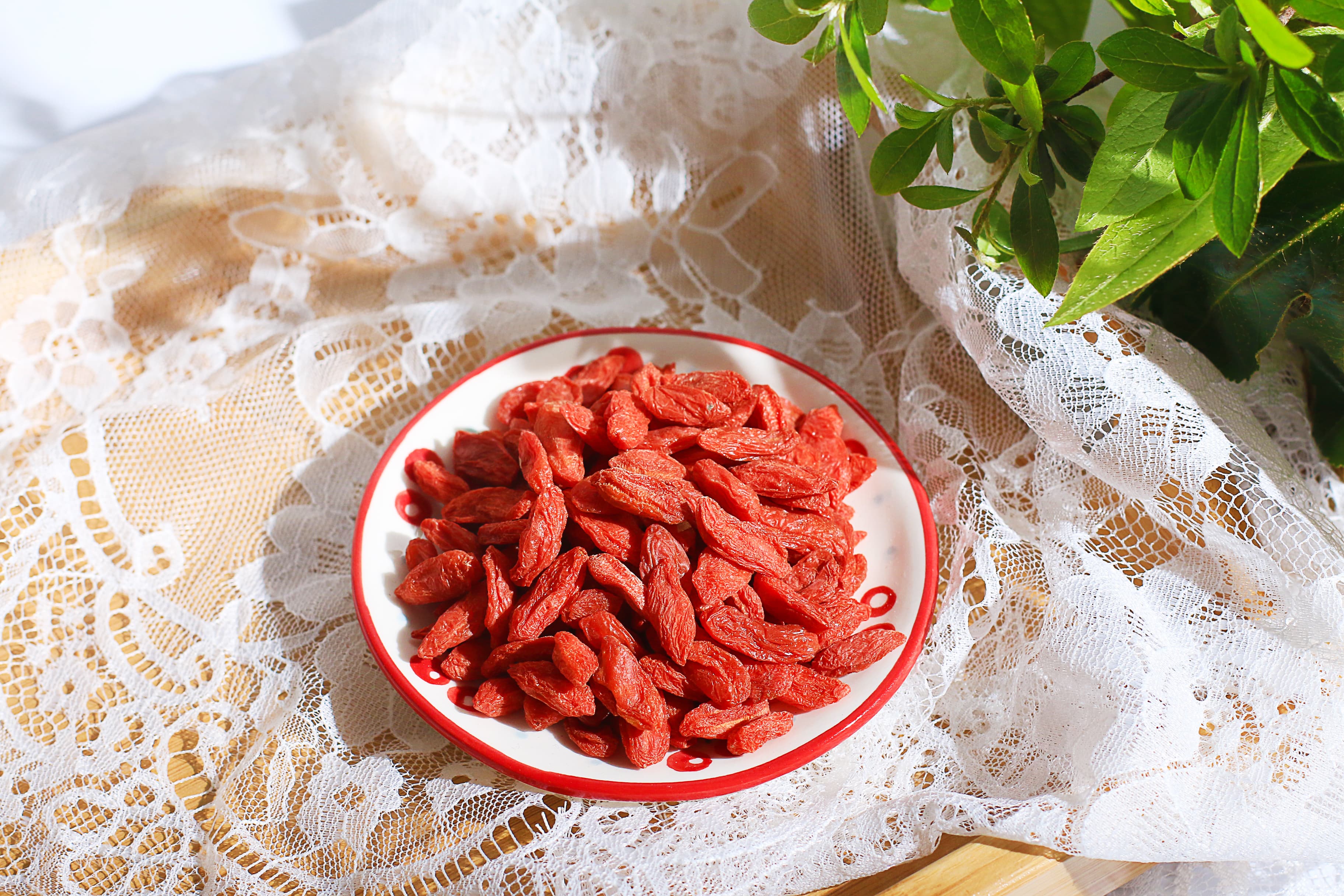 Goji Berries(gou qi zi)→ Goji Berries(gou qi zi)→ | 10g | Assistant | Nourishes liver yin and kidney essence, supporting the two organ systems most involved in hair health. Goji also adds natural sweetness and is easy to incorporate into daily use. |
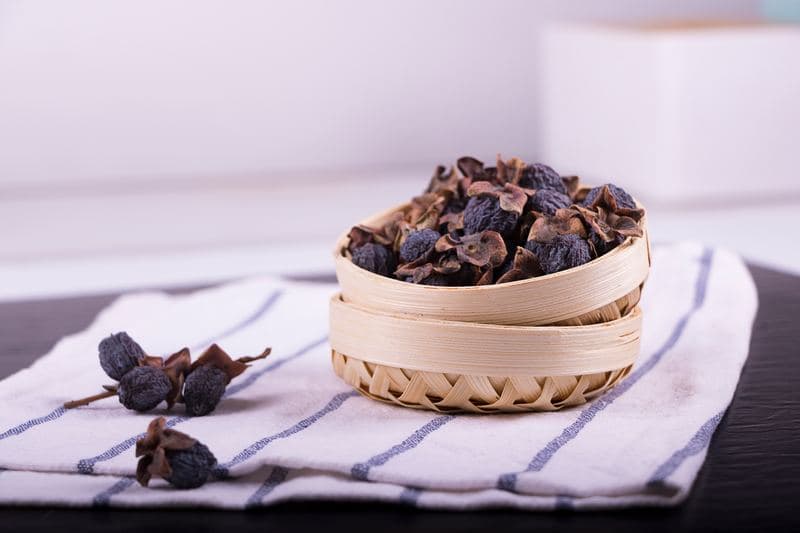 Black Jujube(hei zao)→ Black Jujube(hei zao)→ | 5 pieces | Envoy | Warming blood tonic that supports the production of new blood to feed the hair. Black jujube also moderates the cooling nature of prepared rehmannia, making the formula suitable for daily use. |
How to Make It
- 1Soak he shou wu and prepared rehmannia in water for 30 minutes.
- 2Place all herbs in a pot with 600ml of water.
- 3Bring to a boil, then simmer for 30 minutes (these are dense roots that need longer cooking).
- 4Add goji berries in the last 5 minutes.
- 5Strain into a cup. Drink warm. Eat the softened goji berries and black jujubes.
How to Take
Drink once daily, preferably in the evening when the body is preparing for rest and restoration. Continue for 8 to 12 weeks for visible changes in hair quality.
How Long
8 to 12 weeks minimum
Taste
Deep, rich, and slightly sweet. The he shou wu gives an earthy depth.
Yield
1 cup (1 serving) | Prep time: 40 minutes (plus 30 minutes soaking)
Who Should Avoid This
- !Use only the processed (zhi he shou wu) form, never raw
- !Avoid if you have damp patterns with heavy, sticky sensations
- !May cause mild digestive heaviness, start with a smaller dose
- !Discontinue if you experience loose stools or stomach discomfort
- !Consult a healthcare provider for long-term use beyond 3 months
Blood-Nourishing Hair Tea
养血生发茶|Yang Xue Sheng Fa Cha
Classical Source: Blood-nourishing tradition from Si Wu Tang
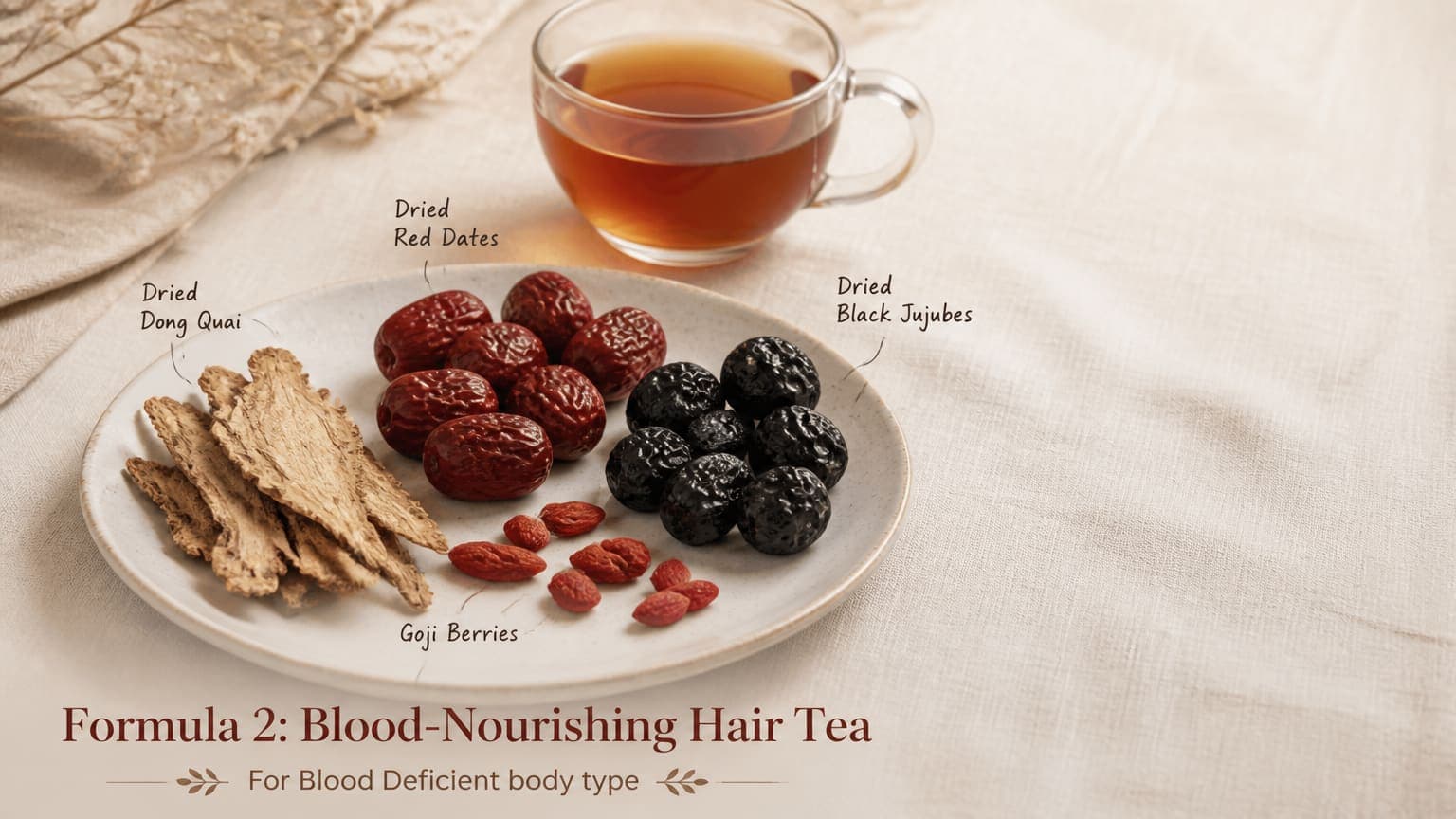
A formula for hair loss accompanied by paleness, dry skin, and slow growth. Dong quai builds the blood that feeds the hair follicles, red dates support the spleen's blood production, and black jujube provides warming, deep blood nourishment specifically beneficial for hair pigment and strength.
Ingredients
| Ingredient | Amount | Role | Why This Herb |
|---|---|---|---|
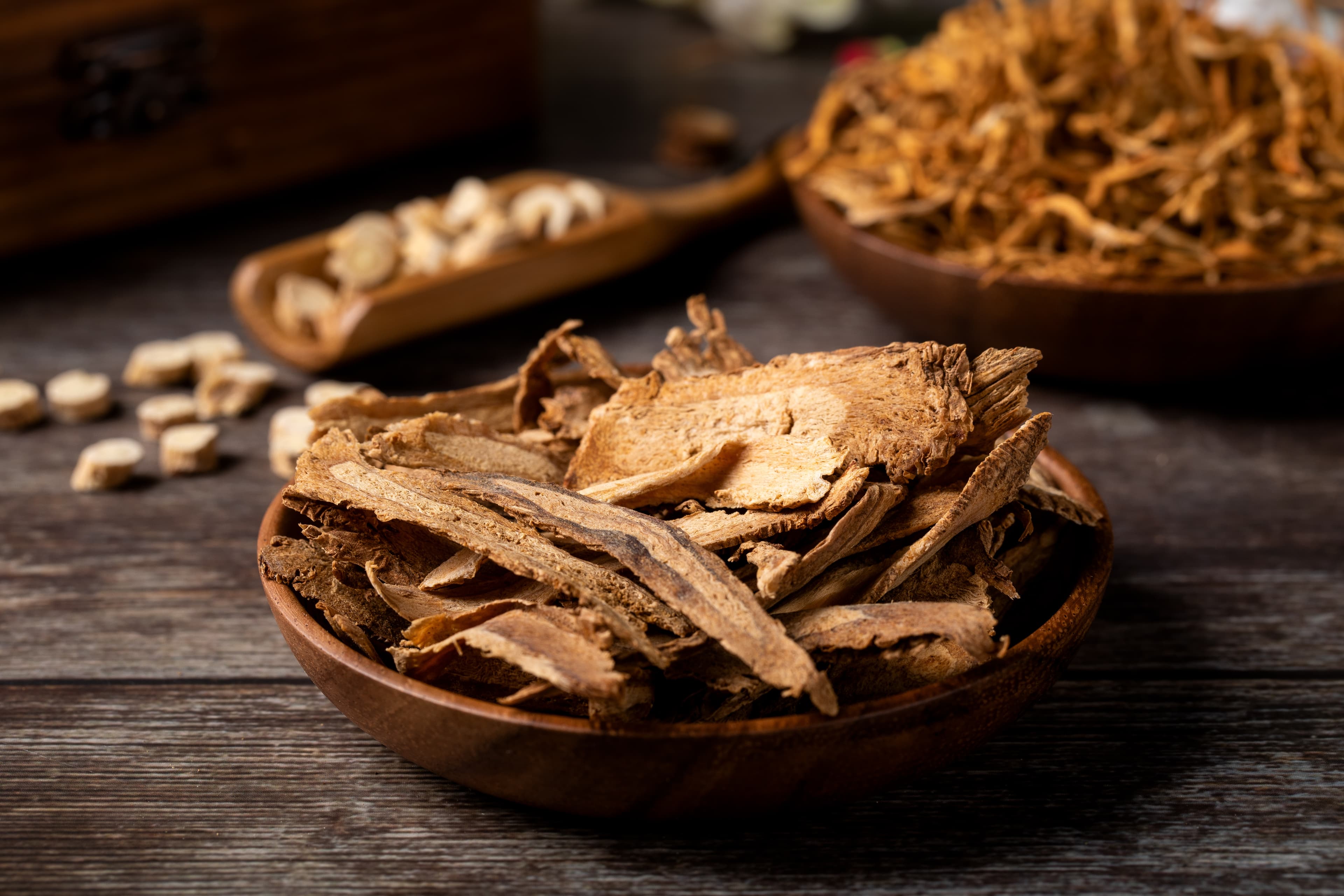 Dong Quai(dang gui)→ Dong Quai(dang gui)→ | 6g | Chief | The primary blood tonic in TCM. Dong quai both builds and circulates blood, ensuring that the nourishment reaches the hair follicles rather than stagnating. For blood-deficient hair loss, it is the foundational herb. |
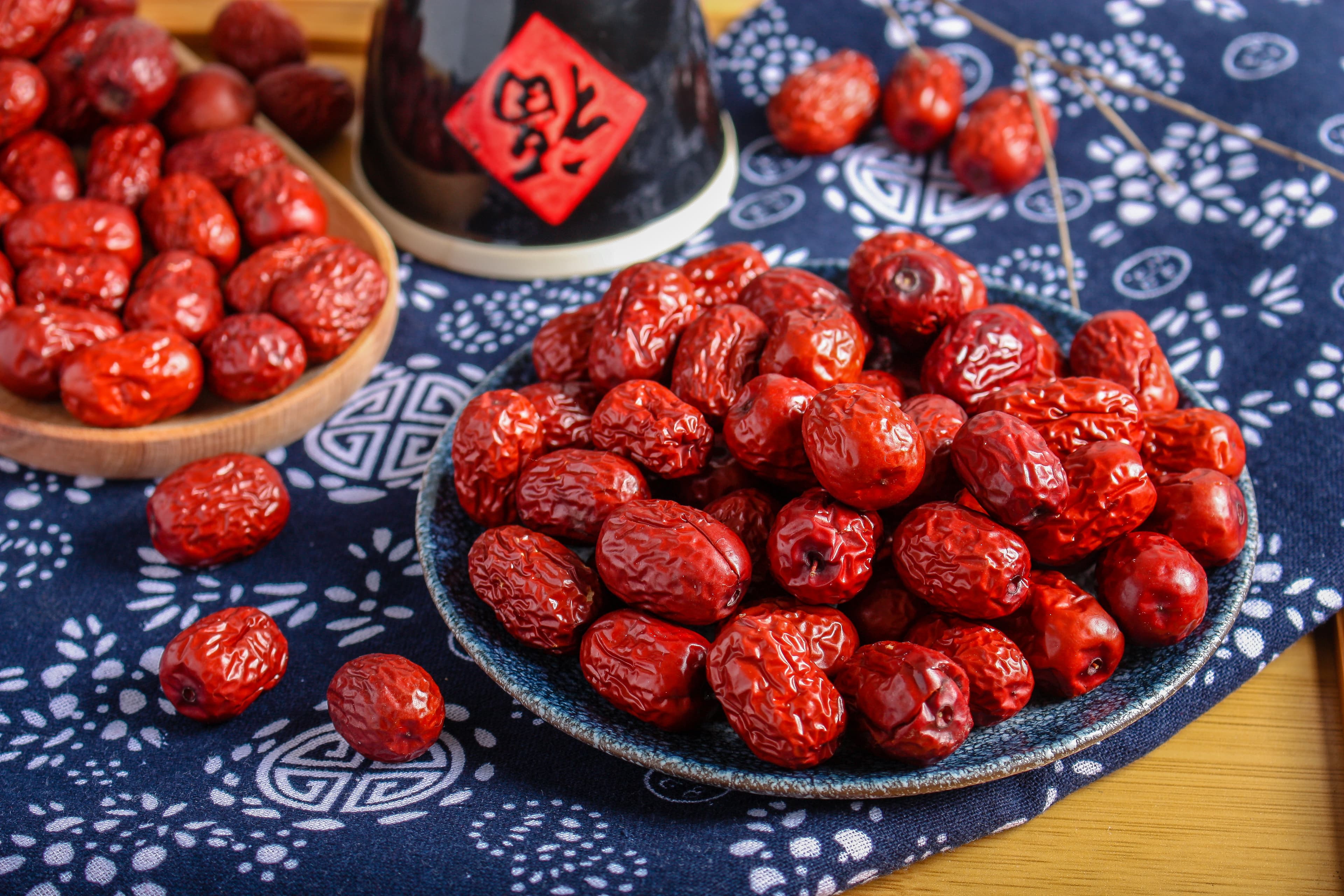 Red Dates(da zao)→ Red Dates(da zao)→ | 6 pieces | Deputy | Supports the spleen in producing new blood from food. Red dates provide the gentle, consistent nourishment that blood building requires over weeks of daily use. |
| Black Jujube(hei zao)→ | 4 pieces | Assistant | A deeper, more warming blood tonic than red dates. Black jujube specifically nourishes the blood that feeds hair pigment, and its warming nature supports the spleen's transformative function. |
| Goji Berries(gou qi zi)→ | 10g | Envoy | Nourishes liver blood and kidney essence, bridging the blood-building and essence-building systems that together support hair health. |
How to Make It
- 1Pit the red dates and black jujubes.
- 2Place dong quai, red dates, and black jujubes in a pot with 500ml of water.
- 3Bring to a boil, then simmer for 25 minutes.
- 4Add goji berries in the last 5 minutes.
- 5Strain into cups. Eat the softened fruits. Drink warm.
How to Take
Drink once daily, preferably in the morning. Continue for 8 to 12 weeks. Blood building is a slow process that requires consistency over intensity.
How Long
8 to 12 weeks
Taste
Sweet, warm, and deeply nourishing. The combination of dates and jujubes creates a rich, naturally sweet flavor.
Yield
1 to 2 cups (1 to 2 servings) | Prep time: 30 minutes
Who Should Avoid This
- !Avoid during acute colds or flu
- !Reduce dong quai during heavy menstruation
- !Avoid during pregnancy
- !Safe for long-term use in moderate amounts
Qi-Supporting Hair Tea
补气固发茶|Bu Qi Gu Fa Cha
Classical Source: Qi-tonifying hair tradition
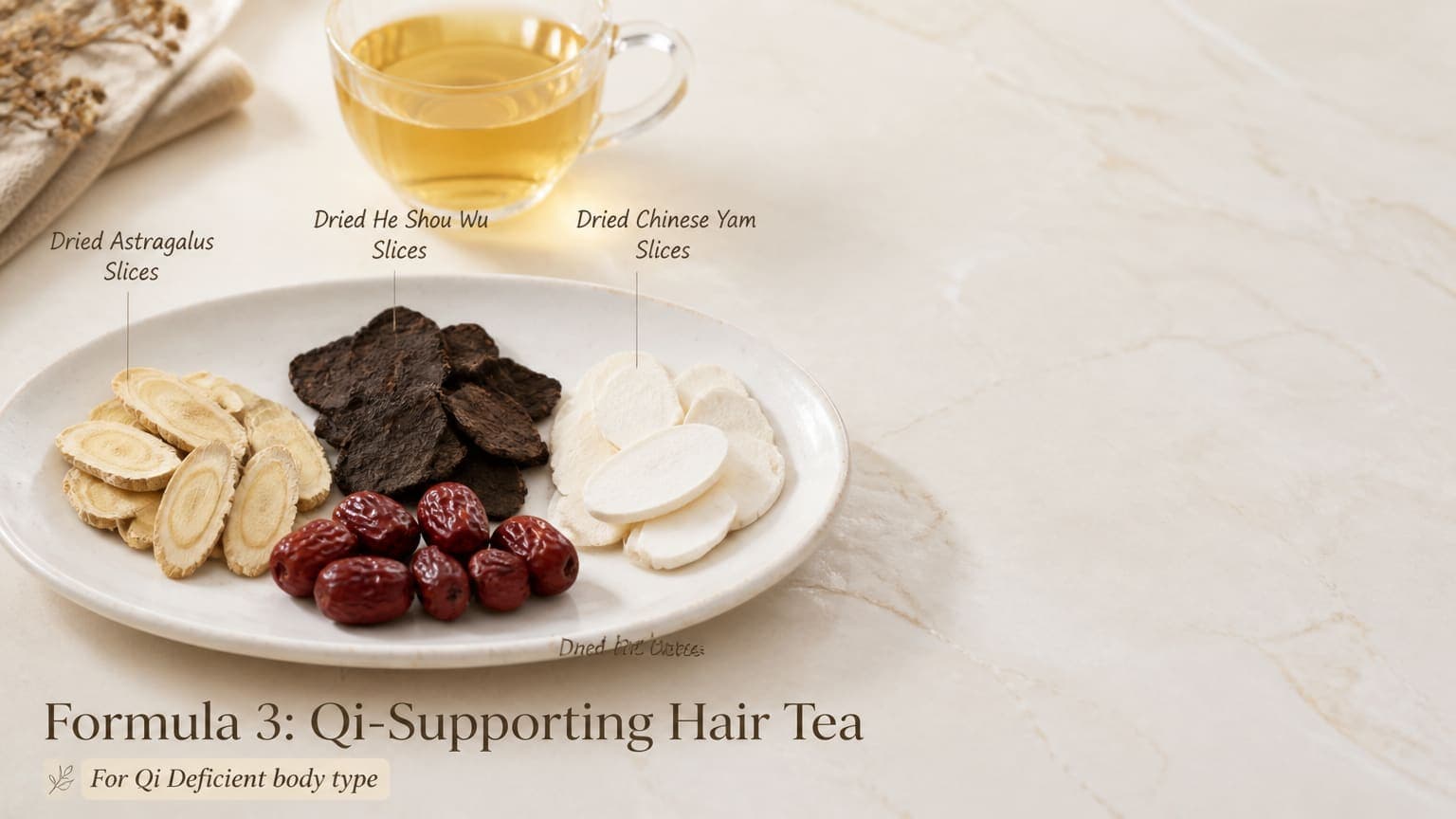
A formula for hair loss from chronic fatigue and depletion. Astragalus provides the gentle, consistent qi that powers the delivery of nourishment to the hair follicles. He shou wu adds the kidney essence that the qi system needs to transport, and Chinese yam supports the spleen so the body can sustain the process over time.
Ingredients
| Ingredient | Amount | Role | Why This Herb |
|---|---|---|---|
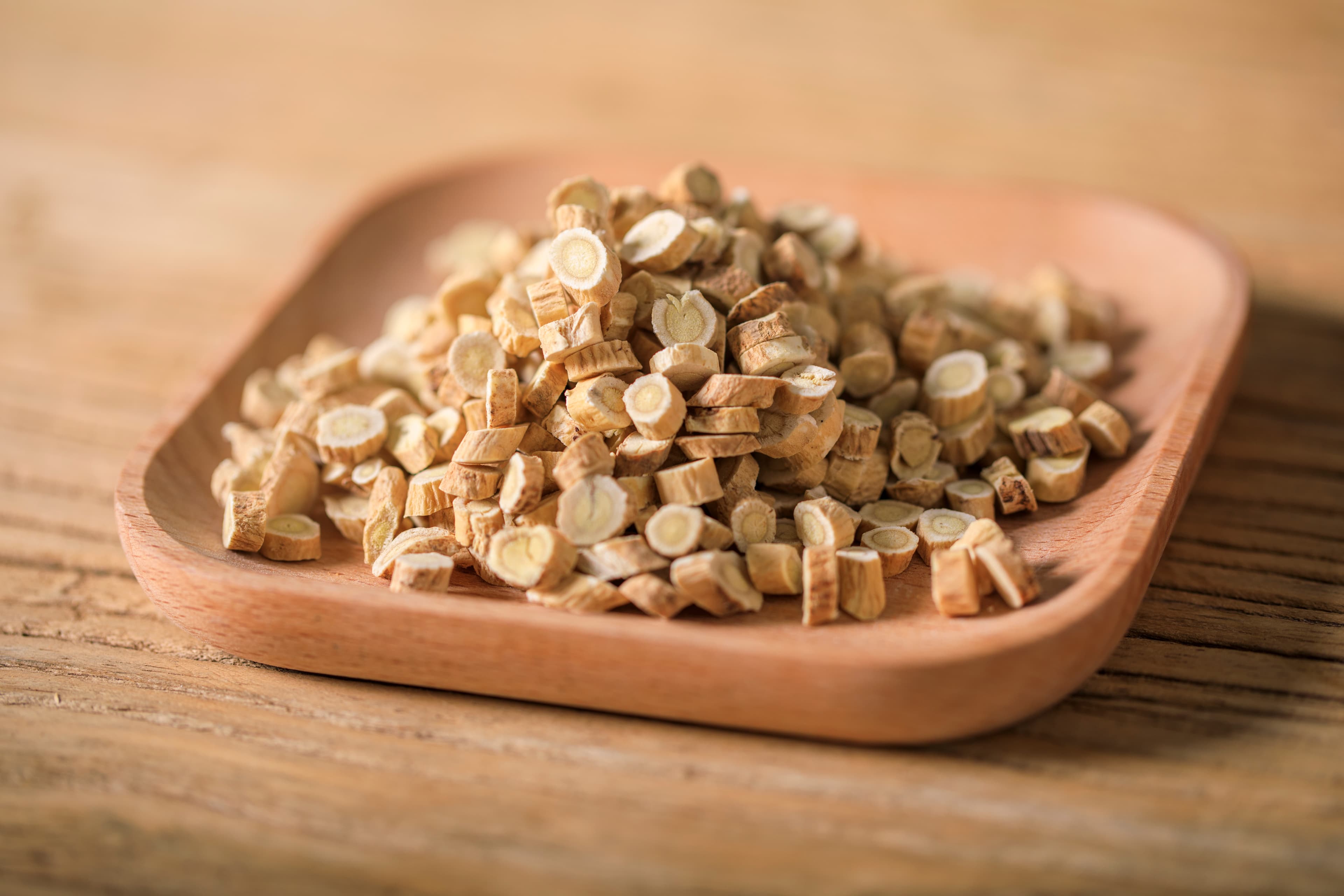 Astragalus(huang qi)→ Astragalus(huang qi)→ | 10g | Chief | The gentlest and most practical qi tonic for daily use. Astragalus strengthens the spleen and lung qi that power the body's nourishment delivery system. For hair loss from general depletion, restoring qi is the first step to restoring hair growth. |
| Fo-Ti (He Shou Wu)(he shou wu)→ | 8g | Deputy | Provides the essence and blood nourishment that the qi system will deliver to the hair. Without this, astragalus would strengthen the delivery system but have nothing to deliver. |
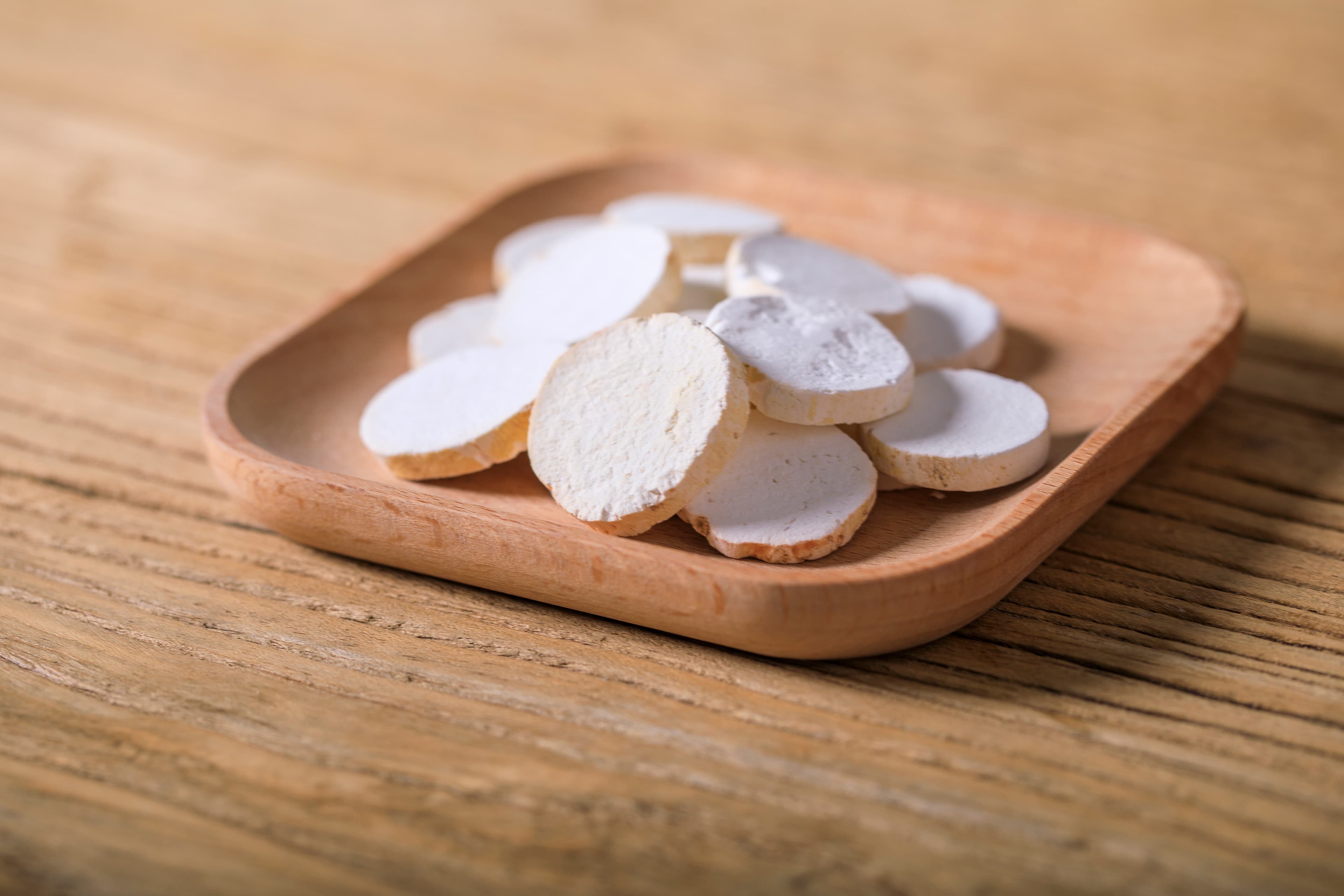 Chinese Yam(shan yao)→ Chinese Yam(shan yao)→ | 10g | Assistant | Gentle, food-grade qi and yin tonic that supports the spleen's ability to process the other herbs. Chinese yam's mild nature makes the formula suitable for long-term use by depleted individuals. |
| Red Dates(da zao)→ | 5 pieces | Envoy | Supports both qi and blood production, and adds natural sweetness. Red dates also harmonize the formula, making it gentle on a weak digestive system. |
How to Make It
- 1Pit the red dates.
- 2Place astragalus, he shou wu, and Chinese yam in a pot with 500ml of water.
- 3Bring to a boil, then simmer for 25 minutes.
- 4Add red dates in the last 10 minutes.
- 5Strain into cups. Drink warm. The softened Chinese yam and dates can be eaten.
How to Take
Drink once daily, in the morning. For depleted patterns, consistency is more important than dosage. Continue for 10 to 12 weeks.
How Long
10 to 12 weeks
Taste
Mild, sweet, and slightly starchy. The Chinese yam and dates create a gentle, comforting taste.
Yield
1 to 2 cups (1 to 2 servings) | Prep time: 30 minutes
Who Should Avoid This
- !Avoid during acute colds or flu (tonifying herbs may trap pathogens)
- !Use only processed he shou wu
- !Safe for long-term use in moderate amounts
- !Reduce dosage if you experience bloating from the tonifying herbs
Which Formula Is Right for You?
Each formula targets a specific body type. Taking the 3-minute body type quiz is the fastest way to find your match and get personalized recommendations.
Take the Free Body Type Quiz >Frequently Asked Questions
How long until I see changes in my hair?
Hair grows slowly, approximately 1 to 1.5 centimeters per month, so visible changes take time. Most people notice reduced hair shedding within 4 to 6 weeks of consistent daily use. New hair growth and improved hair texture typically become visible after 8 to 12 weeks. Changes in hair pigment (for premature graying) may take 3 to 6 months of consistent use. The key is daily, consistent use over months rather than intense, short-term use. These herbs work by rebuilding the body's reserves, which is inherently a gradual process.
Can these herbs reverse genetic hair loss?
Genetic hair loss (androgenetic alopecia) involves a hereditary sensitivity of hair follicles to DHT. Chinese medicine herbs cannot change your genetic predisposition. However, they may help by improving the overall health of the scalp environment and the body's nutritional reserves, which can slow the rate of loss and improve the quality of remaining hair. For genetic hair loss, these herbs are best used as a complementary approach alongside medical treatments recommended by a dermatologist, not as a replacement.
Which herbs are safe for long-term use?
He shou wu, goji berries, red dates, and Chinese yam are food-grade herbs that have been used daily in Chinese households for centuries. These are generally safe for long-term use in moderate amounts. Prepared rehmannia and dong quai are stronger tonics that should be used in cycles (for example, 3 months on, 1 month off) rather than continuously. Astragalus is safe for daily use but should be paused during acute illnesses. Always use the processed form of he shou wu, as the raw form has been associated with liver concerns in rare cases.
Should I take these herbs internally or apply them topically?
These formulas are designed for internal use, as TCM views hair health as a reflection of internal organ function. The herbs work by nourishing the kidney essence and blood from within, which then feeds the hair through the body's natural circulatory system. Some of these herbs, particularly he shou wu, are also used in external hair rinses and oils, but the internal approach is considered more fundamental in TCM theory. For external applications, consult a qualified practitioner for appropriate formulations.
Which body type is causing my hair loss?
The free EastType body type quiz is the most reliable way to identify your pattern. As a quick guide: if your hair is dry and brittle with night sweats and internal heat, you may be Yin Deficient. If your hair is thin and fine with a pale complexion and dry skin, you may be Blood Deficient. If your hair is thinning gradually with chronic fatigue and weak digestion, you may be Qi Deficient. Hair loss can also result from stress, thyroid conditions, iron deficiency, or post-illness recovery, so consulting a healthcare provider is recommended alongside any herbal approach.
This content is for educational and informational purposes only and is not medical advice. The herbal formulas described here use food-grade ingredients traditionally consumed in Chinese culture. Always consult a qualified healthcare professional before starting any herbal regimen, especially if you are pregnant, nursing, taking medications, or managing a health condition. Individual results may vary.