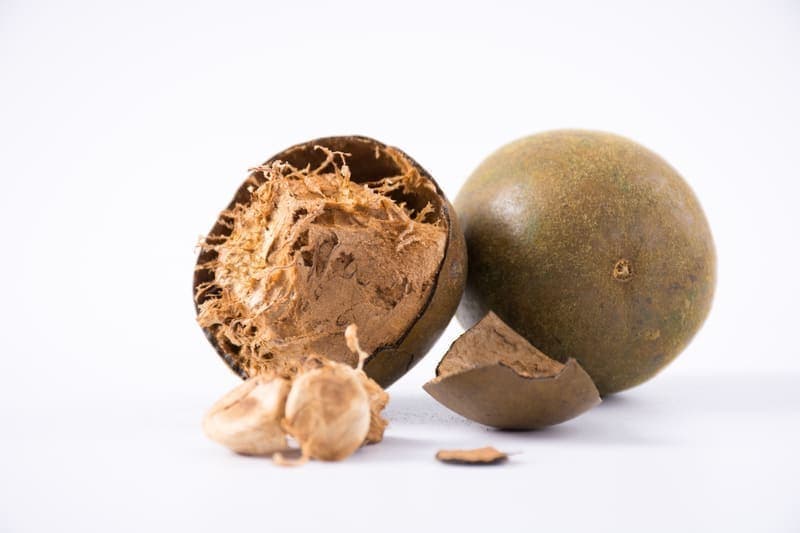
Monk Fruit (Luo Han Guo)
luo han guo · luo han guo
Siraitia grosvenorii (Swingle) C.Jeffrey ex A.M.Lu & Zhi Y.Zhang
Quick Answer
The most common TCM pattern behind a lingering dry cough with sticky phlegm and a raspy throat is Lung Yin damage with residual heat, and Monk Fruit may help moisten that dryness while gently clearing the leftover heat. The fruit is naturally very sweet yet adds no calories, which makes it one of the few cooling herbs safe for daily, even long-term, use.
Curious which body type you are? Take the free 5-minute quiz.
Take the Free Quiz →Summary
A natural zero-calorie sweetener that moistens the Lung, relieves sore throat, and clears heat. Popular for dry cough.
TCM Properties
| Botanical Name | Siraitia grosvenorii (Swingle) C.Jeffrey ex A.M.Lu & Zhi Y.Zhang |
| Category | Cooling Herb |
| Temperature | Cool |
| Taste | Sweet |
| Channels Entered | Lung, Large Intestine |
| Classical Source | Lingnan Caiyao Lu (1932 CE) |
| Safety Rating | Non-toxic |
Key Concept
Lung Yin Dryness with Residual Heat(肺阴虚夹热)
The cause is usually a heat illness, a dry climate, or long talking and singing that slowly depletes the moistening fluids of the Lung. The dry cough is the body's way of trying to clear what little sticky phlegm is left, and the raspy voice is the vocal cords losing their lubrication. Monk fruit works by both replacing the missing moisture and gently clearing the low heat, which is why it is favored by teachers and singers.
What This Herb Does
Moistens the Lung and relieves cough
The lung in TCM is called the delicate organ because it is the first to be affected by dryness. Monk fruit's cool, moistening nature makes it particularly suited for the dry, hacking cough that lingers after a respiratory illness or appears in dry climates. Unlike warm lung herbs that address cold-type cough with sticky phlegm, this herb addresses the pattern where the throat feels scratchy and dry.
Clears heat and generates fluids
When heat depletes the body's fluids, signs like dry mouth, concentrated urine, and a feeling of internal warmth appear. Monk fruit's cool sweetness helps clear this heat while simultaneously generating new fluids. This dual action is why it is a staple in southern Chinese households during the hot, humid summer months.
Soothes sore throat
For the scratchy, dry sore throat that comes from speaking too much, breathing dry air, or early-stage respiratory irritation, monk fruit tea is one of the most popular home remedies in China. Its moistening quality coats and soothes the throat directly, while its cool nature addresses mild inflammation. A single fruit simmered in water for 10 minutes makes a naturally sweet throat rinse.
Natural sugar substitute
With zero calories and a sweetness roughly 150 to 250 times that of sugar, monk fruit has found a global audience as a natural sweetener. In TCM terms, its sweetness is not just a flavor but a functional property: sweet herbs tonify and harmonize. This means it can sweeten tea or soup while simultaneously providing a gentle moistening benefit that refined sugar cannot offer.
Commonly Used For
Yin Deficient types with dry, hacking cough and scratchy throat
TCM Interpretation: Yin deficiency creates internal dryness that affects the lungs first, producing a cough that is dry and unproductive, with a scratchy or ticklish throat. Monk fruit's cool, moistening nature directly replenishes the fluids that the lungs have lost, soothing the cough from within.
Why Monk Fruit (Luo Han Guo) Helps: Unlike warming cough herbs that could worsen the dryness, monk fruit's cool moisture is exactly what a dry-pattern cough needs. Its natural sweetness also makes it easy to take consistently, which is key for lingering coughs.
People with heat-pattern sore throat from overuse, dry air, or post-illness irritation
TCM Interpretation: A sore throat from overuse or dry air involves mild heat and dryness in the throat area. Monk fruit's dual action of cooling heat and generating fluids addresses both the irritation and its underlying cause, making it suitable for speakers, singers, and people in dry environments.
Why Monk Fruit (Luo Han Guo) Helps: The moistening quality coats the throat on contact, providing immediate relief, while the cooling nature addresses the mild inflammation. This makes it more than just a symptom masker.
Selecting monk fruit by your cough type
The fruit is forgiving, but the form still matters. Match it to your symptom.
| If This Sounds Like You | The Signal | Start Here |
|---|---|---|
| Dry ticklish cough with a hoarse voice, no fever | Lung Yin deficiency from overuse or dry air | Break a quarter of one dried fruit, steep in just-boiled water, sip through the day |
| Cough with sticky yellow phlegm and a sore throat | Damp Heat lingering in the Lung | Steep with a few honeysuckle flowers for added heat clearing |
Which Body Types Benefit Most
Not sure which type you are? Take the free 5-minute quiz.
Related Symptom Guides
Related Wellness Articles
How to Use
Crack one fruit, simmer in 1L water for 20 minutes.
Dosage: Half to one fruit per day.
Preparation Notes: Monk Fruit (Luo Han Guo) is cool in nature, making it balanced for most constitutions. For tea, steep 5-10 minutes. For soup, simmer 30-60 minutes. Store in an airtight container in a cool, dry place for up to 12 months.
Dietary Advice
Monk fruit is one of the most versatile herbs in the Chinese kitchen because its natural sweetness makes it easy to incorporate into daily life. Break a quarter of the fruit into hot water for a throat-soothing tea, or add a small piece to pear soup for a lung-moistening dessert. Because it is cool in nature, avoid combining it with ice-cold drinks, which can over-chill the spleen. For throat issues, sip the tea slowly and let it coat the throat before swallowing.
Food Pairings
Cautions
- ⚠Generally very safe
- ⚠Avoid in cold-type cough
- ⚠May cause mild loose stools
- ⚠Not for Spleen Yang deficiency
Frequently Asked Questions
What does monk fruit taste like?+
Is monk fruit good for diabetics?+
How to make monk fruit tea?+
Related Herbs
Discover Your Eastern Type
Take our free 5-minute assessment to explore which body type best matches your current wellness patterns.
Take the Free Quiz→This article is for informational and educational purposes only and is not medical advice. Always consult a qualified healthcare professional before using any herb, especially if you are pregnant, nursing, or taking medication.