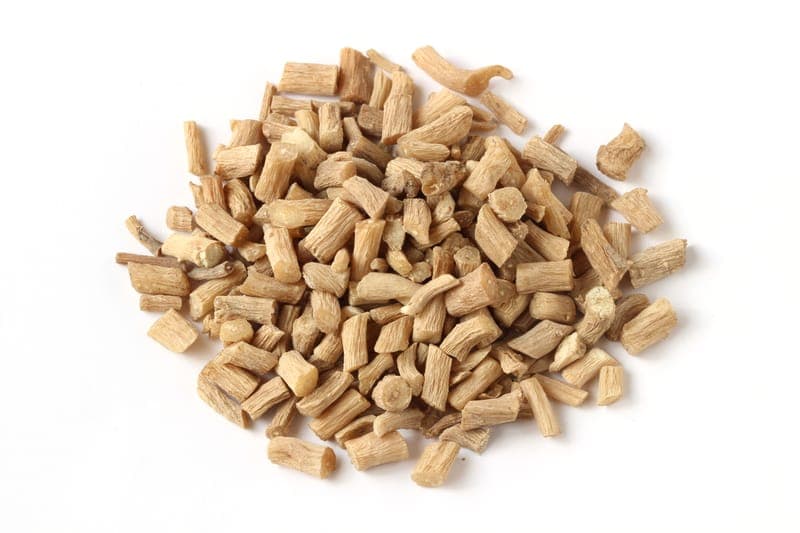
Achyranthes (Niu Xi)
niu xi · niu xi
Achyranthes bidentata Blume
Quick Answer
The most common TCM pattern behind heavy legs, weak knees, and lower back pain is Blood Stasis with qi failing to descend, and Achyranthes (Niu Xi) is the one herb that directly redirects blood and energy downward to where the problem lives. Its neutral temperature and Liver-Kidney affinity may help strengthen the tendons and bones of the lower body over weeks of use in bone broth or decoction.
Curious which body type you are? Take the free 5-minute quiz.
Take the Free Quiz →Summary
A root whose defining property is directing blood and energy downward. This makes it essential for any formula addressing lower body issues, from knee pain to heavy menstrual bleeding, and gives it a role no other herb can replicate.
TCM Properties
| Botanical Name | Achyranthes bidentata Blume |
| Category | Blood Tonic |
| Temperature | Neutral |
| Taste | Bitter, sour |
| Channels Entered | Liver, Kidney |
| Classical Source | Shennong Bencao Jing (circa 200 BCE) |
| Safety Rating | Use with caution |
Key Concept
Achyranthes (Niu Xi)(牛膝)
Niu xi performs one job no other herb in the TCM pharmacopeia can replicate: it directs blood and qi downward to the lower back, knees, and legs. Most blood herbs either nourish or move blood in place, but niu xi physically guides it to the lower body, which is why it appears in nearly every classical formula for lower body weakness, delayed menstruation with dark clots, and heavy bearing-down pain.
What This Herb Does
Directs blood and qi downward to the lower body
Most herbs move energy upward or disperse it outward. Niu xi is distinctive because it pulls downward, guiding blood and qi to the legs, knees, and lower back. This downward-directing property makes it a key ingredient in formulas for lower body pain and reproductive health, where the problem is that energy and blood are not reaching where they need to go.
Strengthens tendons and bones through the Kidney and Liver
The Liver governs tendons and the Kidney governs bones. Niu xi enters both channels, providing the raw material that tendons and bones need to maintain strength. This is particularly relevant for knee pain, ankle weakness, and lower back stiffness, where the structural support is failing because the underlying organs are not supplying enough nourishment.
Promotes menstrual flow and resolves blood stagnation
When menstrual blood is slow to start, accompanied by dark clots, or associated with lower abdominal pain that radiates downward, blood stagnation in the lower abdomen is often the cause. Niu xi's downward-directing quality helps move this stagnant blood out, while its blood-nourishing aspect ensures that the flow does not deplete the body.
Reduces swelling in the lower extremities
Swelling in the legs and ankles, especially that which worsens with standing, can indicate that fluids are pooling because qi is not lifting them back up. Niu xi helps by moving blood and fluids downward and out, while simultaneously strengthening the kidney and liver systems that manage fluid metabolism.
Commonly Used For
People with lower back pain, weak knees, or heavy legs where energy and blood need to be directed downward
TCM Interpretation: When blood and qi stagnate in the upper body or fail to reach the lower extremities, the lower back and knees weaken. The legs feel heavy not because of excess weight but because nourishment is not arriving where it is needed.
Why Achyranthes (Niu Xi) Helps: Niu xi physically redirects blood and qi downward to the lower back, knees, and legs, addressing the root cause of the weakness rather than just the pain.
Women with delayed menstruation with dark clots and lower abdominal pain
TCM Interpretation: Blood stagnation in the uterus causes menstrual flow to start late, come with dark clots, and produce pain that feels heavy and bearing-down. The stagnation is often because blood is not moving downward as it should.
Why Achyranthes (Niu Xi) Helps: By directing blood downward and resolving stagnation, niu xi helps the menstrual flow start more smoothly and reduces the clotting and pain that come from trapped blood.
Two Signs Your Blood Stalls Above the Waist
Niu xi helps when the problem is not too little blood, but blood that cannot get where it needs to go.
| If This Sounds Like You | The Signal | Start Here |
|---|---|---|
| Lower back and knees that feel weak and heavy rather than acutely injured | Blood and qi are not descending to nourish the tendons and bones of the lower body. | Simmer 6 to 12g of niu xi with eucommia bark and dang gui in pork bone soup for one hour, two to three times per week. |
| Delayed menstruation with dark clots and a heavy, bearing-down lower abdominal pain | Blood stagnation in the uterus, where flow is stuck because it cannot move downward. | Use raw niu xi in a practitioner-guided formula for the week before the cycle, and avoid during pregnancy or heavy bleeding without clots. |
| Swelling in the legs and ankles that worsens with standing | Fluids pooling because qi is not lifting them back up, combined with weak kidney and liver function. | Pair niu xi with warm foot soaks and reduced standing time, and consult a practitioner if swelling persists or worsens. |
Which Body Types Benefit Most
Not sure which type you are? Take the free 5-minute quiz.
Related Symptom Guides
How to Use
Simmer 6 to 12g of niu xi root in water for 20 minutes as tea. For bone and joint formulas, combine with du zhong and dang gui in pork bone soup, simmered for 1 hour.
Dosage: 6 to 12g per day in decoction.
Preparation Notes: The root should be briefly soaked before decoction. Dry-roasting at low heat until fragrant can enhance its liver and kidney tonifying properties. For blood-moving purposes, use raw. For joint-strengthening, use the dry-roasted form.
Dietary Advice
When preparing this root, brief soaking in warm water before decoction helps release its active compounds. For joint issues in the lower body, pair with eucommia bark and cook in bone broth for at least an hour. The long simmering allows the tough, woody root to fully release its properties into the broth.
Food Pairings
Cautions
- ⚠Contraindicated during pregnancy
- ⚠Avoid during heavy menstrual bleeding without stagnation
- ⚠Not suitable for people with diarrhea from spleen deficiency
- ⚠Use caution if taking anticoagulant medications
Frequently Asked Questions
Why is niu xi called ox knee?+
What makes niu xi different from other blood herbs?+
Can niu xi help with knee pain?+
Which body type benefits most from niu xi?+
Related Herbs
Discover Your Eastern Type
Take our free 5-minute assessment to explore which body type best matches your current wellness patterns.
Take the Free Quiz→This article is for informational and educational purposes only and is not medical advice. Always consult a qualified healthcare professional before using any herb, especially if you are pregnant, nursing, or taking medication.