EastType
10 Foods Your Body Type Will Love
A Practical Chinese Medicine Guide
Chinese medicine identifies 9 body types. Each type has foods that suit it well. This guide covers 10 ingredients used in Chinese medicine traditions for centuries.
myeasterntype.com
Also known as: Sheng Jiang (Chinese), Shoga (Japanese), Adrak (Hindi), Khing (Thai)
Ginger is the most widely used warming food in Chinese medicine. If your hands and feet tend to run cold, or if you feel heavy and slow after meals, ginger may be one of the simplest things you can add to your daily routine.
Who It Suits
Cold Sensitivity and Low Vitality body types (people who tend to run cold, feel fatigued, or have slow digestion).
What It May Help With
•Warming the body from the inside
•Supporting digestion after heavy or cold meals
•Reducing that heavy, sluggish feeling after eating
How to Use
•Slice 3 to 4 thin pieces of fresh ginger and steep in hot water for 5 minutes. Drink this in the morning, 20 minutes before breakfast.
•Add grated ginger to soups, stews, and stir-fries.
•Avoid ginger late at night if you tend to feel hot when trying to sleep.
Simple HabitReplace your first glass of cold water in the morning with a cup of warm ginger water. This single change can make a noticeable difference in how your digestion feels throughout the day.
Also known as: Wolfberries, Gou Qi Zi (Chinese), Kuko no Mi (Japanese), Boxthorn Berries
Goji berries are small, sweet, red dried fruits that look similar to raisins but have a distinct tart-sweet flavor. In Chinese medicine, they are associated with eye health, liver support, and healthy aging.
Who It Suits
Internal Heat body types (people who tend to feel warm at night, have dry skin, or wake up between 1 AM and 3 AM). Also suitable for people concerned about eye strain from screens.
What It May Help With
•Supporting eye comfort during long screen hours
•Nourishing the body's cooling and moistening functions
•Providing a gentle energy source without caffeine
How to Use
•Eat a small handful (about 15 to 20 berries) as a snack.
•Add to oatmeal, yogurt, or trail mix.
•Steep in hot water with chrysanthemum flowers for a gentle tea.
Simple HabitKeep a small jar of goji berries at your desk. Eat 10 to 15 berries around 3 PM, when afternoon energy dips tend to hit. They provide a mild, steady energy without the crash that comes with sugar or caffeine.
Also known as: Chinese Dates, Hong Zao (Chinese), Natsume (Japanese), Injeol (Korean)
Red dates are dried jujube fruits, not related to the Middle Eastern dates you find in most Western supermarkets. They are sweet, slightly chewy, and have been used in Chinese medicine for thousands of years to support calm sleep and steady energy.
Who It Suits
Low Vitality and Stuck Energy body types (people who feel chronically tired, anxious, or have trouble falling asleep).
What It May Help With
•Supporting calm and restful sleep
•Providing a gentle, steady source of energy
•Settling an anxious or overactive mind
How to Use
•Simmer 5 to 6 pitted red dates in water for 15 minutes. Drink the liquid as tea before bed.
•Add to rice porridge (congee) for a nourishing breakfast.
•Eat 2 to 3 dates as an afternoon snack.
Simple HabitBrew a small pot of red date tea in the evening. Let it steep while you wind down, and drink it 30 minutes before bed. Many people notice calmer, more settled sleep within the first week.
Also known as: Hei Zhi Ma (Chinese), Kuro Goma (Japanese), Gingili (Indian)
Black sesame seeds look like tiny dark pearls and have a rich, nutty, slightly smoky flavor. In Chinese medicine, their dark color connects them to the body's deepest energy reserves. They are associated with healthy hair, skin, and the body's foundational vitality.
Who It Suits
Internal Heat and Blood Stasis body types (people concerned about hair thinning, dry skin, premature aging, or dark circles under the eyes).
What It May Help With
•Supporting hair strength and skin moisture
•Nourishing the body's deepest energy reserves
•Providing healthy fats and minerals
How to Use
•Grind 2 tablespoons of black sesame seeds and mix with a small amount of honey. Eat one spoonful each morning.
•Sprinkle on rice, noodles, salads, or avocado toast.
•Use black sesame paste (similar to tahini but made from black sesame) as a spread on toast.
Simple HabitBuy a small bag of pre-roasted black sesame seeds. Keep it next to your salt shaker. Sprinkle on everything savory. This is one of the easiest ingredients to integrate into Western meals.
Also known as: Lu Dou (Chinese), Ryokuto (Japanese), Moong Dal (Hindi), Green Gram (English)
Mung beans are small, green legumes that cook quickly and have a mild, slightly sweet flavor. In Chinese medicine, they are considered one of the most cooling foods available. They are traditionally eaten during hot summer months to help the body manage internal heat.
Who It Suits
Damp Heat body types (people who tend to feel hot and sticky, have oily skin, breakouts, or acid reflux). Also suitable for anyone during hot weather.
What It May Help With
•Supporting the body's natural cooling processes
•Helping the body process and eliminate excess fluids
•Soothing skin inflammation from the inside
How to Use
•Simmer 1 cup of mung beans in 4 cups of water for 30 minutes until soft. Add a little rock sugar for a simple sweet soup.
•Sprout mung beans at home for fresh, crunchy bean sprouts (takes 2 to 3 days in a jar).
•Cook mung bean soup once a week during summer months.
Simple HabitDuring hot weather, replace one meal per week with a simple bowl of mung bean soup. It is light, cooling, and easy to digest. People who tend to break out in summer often notice their skin calms down within 2 to 3 weeks of eating mung beans regularly.
Also known as: He Tao (Chinese), Kurumi (Japanese), Akhrot (Hindi), Nuez (Spanish)
Walnuts look like tiny brains, and in Chinese medicine, this visual resemblance is taken seriously. Walnuts are associated with brain function, memory, and the body's deepest warmth reserves. They are also one of the most accessible ingredients on this list.
Who It Suits
Cold Sensitivity and Internal Heat body types concerned about memory, focus, or lower back discomfort. Also suitable for older adults.
What It May Help With
•Supporting memory and mental clarity
•Warming and strengthening the lower back and knees
•Providing omega-3 fatty acids
How to Use
•Eat 5 to 8 walnuts per day as a snack. Chew thoroughly.
•Add chopped walnuts to oatmeal or yogurt.
•Simmer walnuts in porridge with red dates for a nourishing breakfast.
Simple HabitKeep a small container of walnuts where you work. Eat 5 pieces at 10 AM and 5 pieces at 3 PM. The steady supply of healthy fats supports focus and sustained energy without the spike-and-crash of sugary snacks.
Also known as: Shan Yao (Chinese), Nagaimo (Japanese), Ma (Korean), Mexican Yam
Chinese yam is a long, cylindrical root with a pale interior. When raw, it feels slippery and slightly sticky when cut. When cooked, it becomes tender and mildly sweet. In Chinese medicine, it is one of the most recommended foods for people with sensitive digestion.
Who It Suits
Heavy and Sluggish body types (people who bloat after meals, feel heavy and tired, or have irregular digestion). Also suitable for anyone recovering from illness.
What It May Help With
•Strengthening digestive function over time
•Supporting steady, consistent energy levels
•Reducing bloating and heaviness after meals
How to Use
•Peel, slice, and stir-fry with a little salt and sesame oil for a simple side dish.
•Cut into chunks and add to soups or stews.
•Slice thinly and steam for 15 minutes. Drizzle with a little honey.
Simple HabitIf you have a sensitive stomach that reacts to raw vegetables, try replacing raw salads with steamed Chinese yam twice a week. Its gentle, starchy nature gives your digestive system a break while still providing nutrients.
Also known as: Ju Hua (Chinese), Kikka (Japanese), Gul-e-Daudi (Hindi)
Dried chrysanthemum flowers are brewed into a light, floral tea that has been consumed in East Asia for centuries. The tea is golden-colored, delicate in flavor, and naturally caffeine-free. In Chinese medicine, chrysanthemum is associated with cooling internal heat, especially in the head and eyes.
Who It Suits
Internal Heat and Stuck Energy body types (people who get headaches, eye strain, feel hot and irritable, or have trouble sleeping). Also ideal for office workers who stare at screens all day.
What It May Help With
•Soothing tired, dry, or strained eyes
•Cooling the head and reducing tension headaches
•Supporting calm focus without caffeine
How to Use
•Steep 8 to 10 dried chrysanthemum flowers in hot water for 5 minutes. Drink as is or add a few goji berries.
•Drink in the afternoon instead of coffee or green tea.
•Can be enjoyed cold in summer with a touch of honey.
Simple HabitReplace your afternoon coffee with chrysanthemum tea for one week. Many people notice their afternoon energy feels more stable and their eyes feel less strained by the end of the workday. You can find dried chrysanthemum flowers at most Asian grocery stores or online.
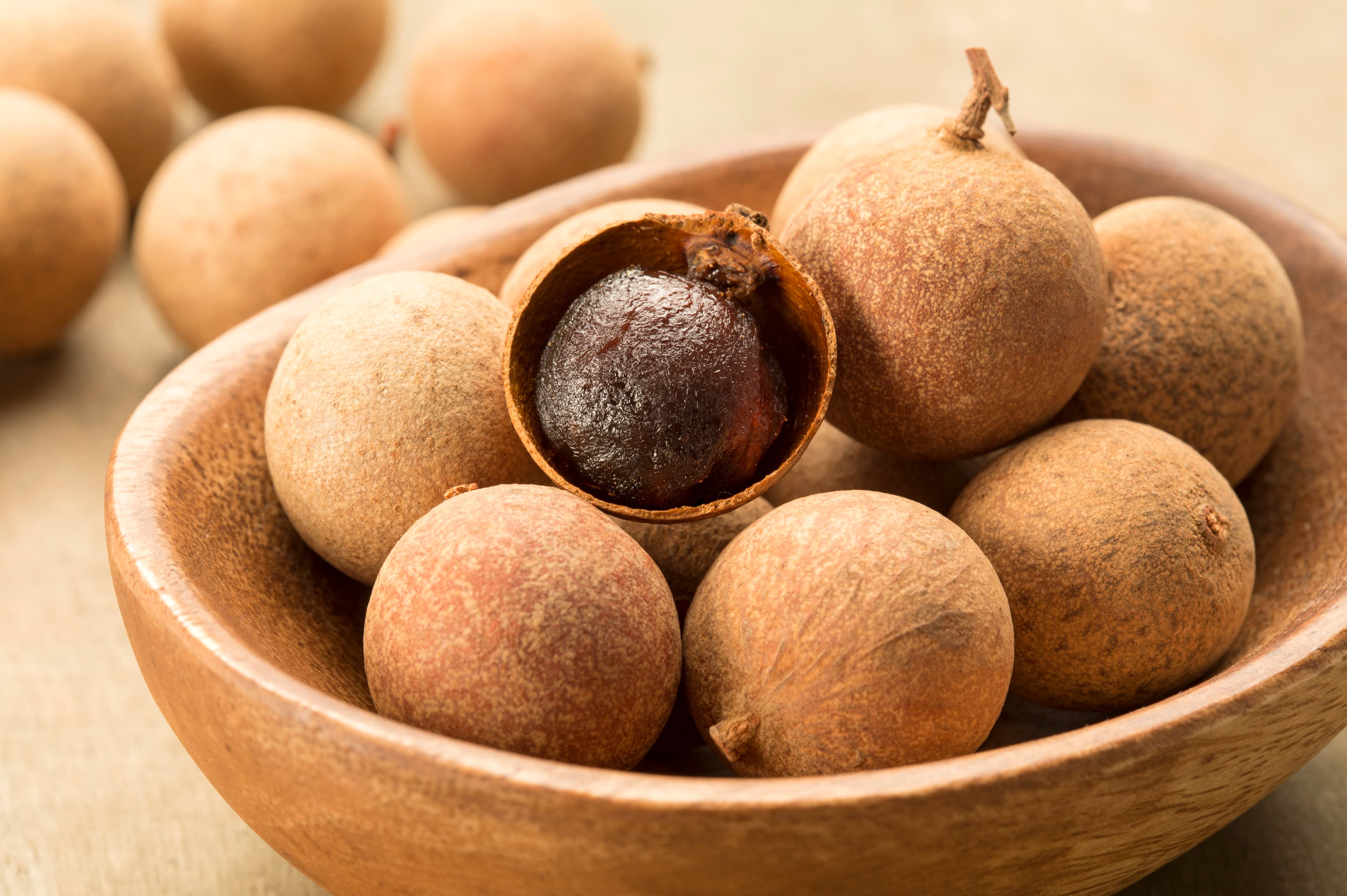
Also known as: Dragon's Eye, Gui Yuan (Chinese), Ryugan (Japanese), Lamyai (Thai)
Dried longan is a small, round, dark brown fruit that looks like a tiny pearl when shelled. It gets its English name, "Dragon's Eye," from the fresh fruit, which has a dark seed visible through the translucent white flesh. Dried longan is sweet, warm in nature, and has been used in Chinese medicine to support calm energy and restful sleep.
Who It Suits
Low Vitality body types (people who feel chronically tired, anxious, or have trouble sleeping due to an overactive mind).
What It May Help With
•Supporting calm, settled energy during the day
•Helping quiet an overactive mind at night
•Providing a gentle, non-stimulating source of sweetness
How to Use
•Simmer 10 to 15 dried longan in water for 10 minutes. Drink the tea before bed.
•Add to rice porridge along with red dates for a nourishing breakfast.
•Eat 5 to 6 pieces as a sweet snack.
Simple HabitIf you tend to snack on sweets in the evening, replace candy or chocolate with 8 to 10 dried longan pieces. They satisfy the sweet craving while supporting calm, restful sleep.
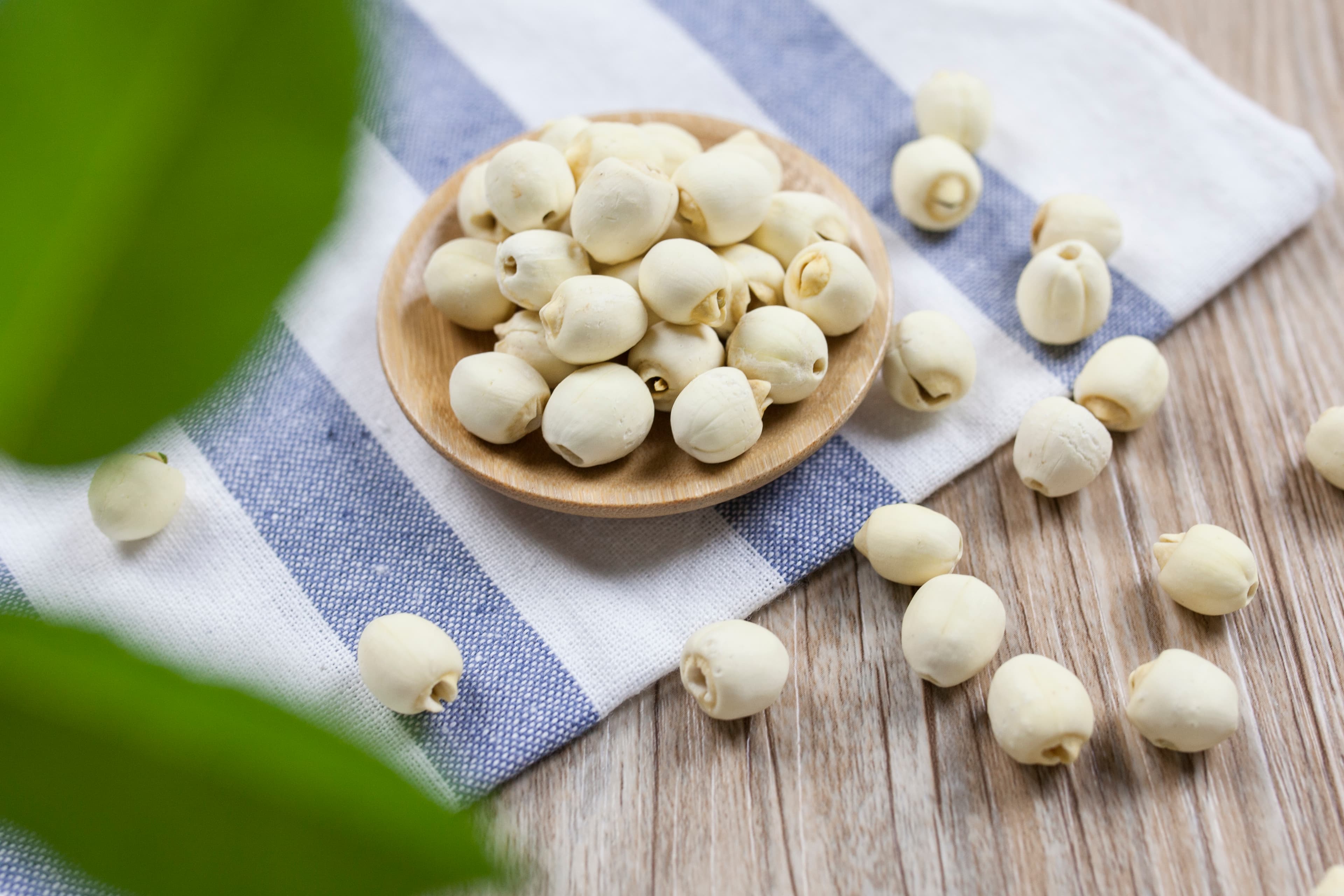
Also known as: Lian Zi (Chinese), Hasu no Mi (Japanese), Bikh (Hindi)
Lotus seeds are small, ivory-colored seeds harvested from the seed pod of the lotus flower. They have a mild, slightly sweet, and slightly nutty flavor. In Chinese medicine, they are associated with calm, steady energy and clear thinking. They are one of the key ingredients in traditional East Asian desserts and savory dishes alike.
Who It Suits
Stuck Energy and Heavy and Sluggish body types (people who overthink, feel mentally scattered, or have trouble concentrating).
What It May Help With
•Supporting mental calm and clear focus
•Helping settle an overactive, racing mind
•Supporting steady, even-keeled energy
How to Use
•Soak dried lotus seeds overnight, then simmer in water for 30 minutes until tender. Add rock sugar for a simple sweet soup.
•Add cooked lotus seeds to soups and stews.
•Find canned lotus seeds at Asian grocery stores for convenience.
Simple HabitIf your mind races at night and prevents you from sleeping, try a small bowl of lotus seed soup as an evening snack. Its calming quality may help quiet mental chatter and support more settled sleep.
How to Start
You do not need to buy all 10 ingredients today. Here is a simple way to begin:
1Take the EastType quiz to learn your body type.
2Pick 2 ingredients from this guide that suit your type.
3Start with one habit from the "Simple Habit" section of each food.
4Give it 2 to 3 weeks. Notice how your body responds.
5Adjust from there. Chinese medicine is about consistent, small adjustments, not dramatic overhauls.
Where to Find These Ingredients
•Asian grocery stores (look for H Mart, 99 Ranch, Mitsuwa, or local equivalents)
•Online (Amazon, iHerb, Asian food specialty sites)
•Health food stores (ginger, walnuts, and goji berries are widely available)
•Regular supermarkets (ginger, walnuts, and mung beans are usually in stock)
Most of these ingredients cost between $3 and $10 and last for weeks or months. Chinese medicine eating does not need to be expensive.
A Final Note
This guide is for educational and wellness purposes only. It is not medical advice. If you have specific health concerns, food allergies, or are taking medication, consult a qualified healthcare provider before making dietary changes.
Individual responses to foods vary. The information in this guide reflects traditional Chinese medicine principles, which focus on patterns and tendencies rather than medical diagnoses.
Listen to your body. Start small. Be consistent. That is the Chinese medicine way.
Ready to Find Your Body Type?
Take the free 5-minute quiz and get personalized food suggestions tailored to your constitution.
myeasterntype.com
 🪷 Lotus Seeds→
 🍇 Longan Fruit→